
Booking a Serengeti safari means choosing your travel window, your accommodation style, and your operator in that order — usually 6 to 12 months ahead for peak Great Migration season and 2 to 3 months ahead for a standard mid-range trip. Get the sequence wrong and you either overpay for a leftover camp bed or miss the river crossings entirely.
Insider warning: The price quoted by most tour operators covers accommodation and game drives — it rarely includes the daily TANAPA park fee, the Ngorongoro transit fee, or VAT, which together can add $150–$250 per person per day to a "confirmed" itinerary. Ask for an all-inclusive breakdown before you pay a deposit.

How to Read This Guide
This guide walks through the entire booking process in the order you'll actually need it: when to book, what a booking actually costs once every fee is added, how to choose between operator types, how to match a package to your travel style, and how to handle logistics like gates, airstrips, and packing. Feedback from safari travelers consistently points to the same handful of mistakes — booking too late for migration season, underestimating park fees, or picking a package that doesn't match how they actually want to travel. This guide is built to head off all three.
When to Book: The Real Timeline
Veteran Tanzanian guides often note that the single biggest driver of regret among first-time safari bookers isn't price — it's timing. Camps in the migration corridor sell out long before travelers think to look.
6–12 Months Out: Great Migration River Crossing Camps
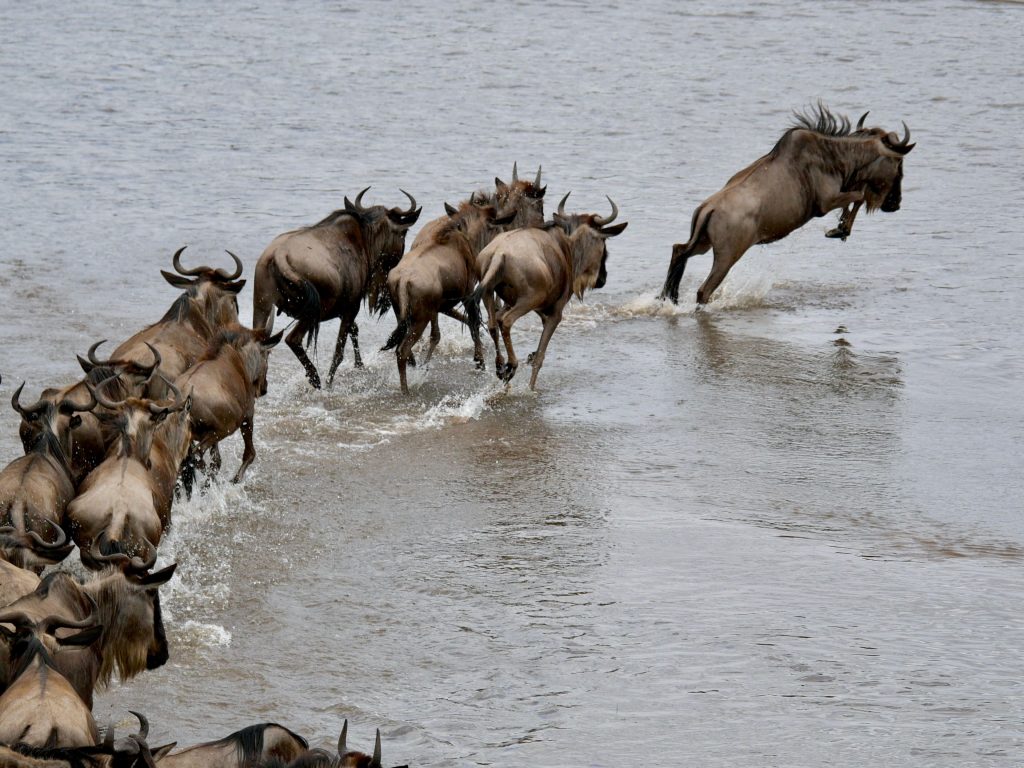
If your trip is built around watching wildebeest cross the Mara River, you're booking a narrow inventory. Camps near Kogatende in the far north — the epicenter of the July-through-October crossings — typically hold fewer than 20 tents each, and the best-positioned ones are held by repeat guests and specialist operators a year in advance.
- Book 9–12 months ahead for peak crossing season (late July through September).
- Book 6–9 months ahead for shoulder-crossing windows (early July, October).
- Expect premium mobile camps (Mara Under Canvas–style operations, Kirawira, Lemala Kuria Hills) to close out first.
- Flights into Kogatende Airstrip also sell out on the same timeline — the airstrip has limited daily slots, and Coastal Aviation and Auric Air seats vanish alongside the camps they feed.
2–3 Months Out: Mid-Range Central Serengeti (Seronera) Safaris
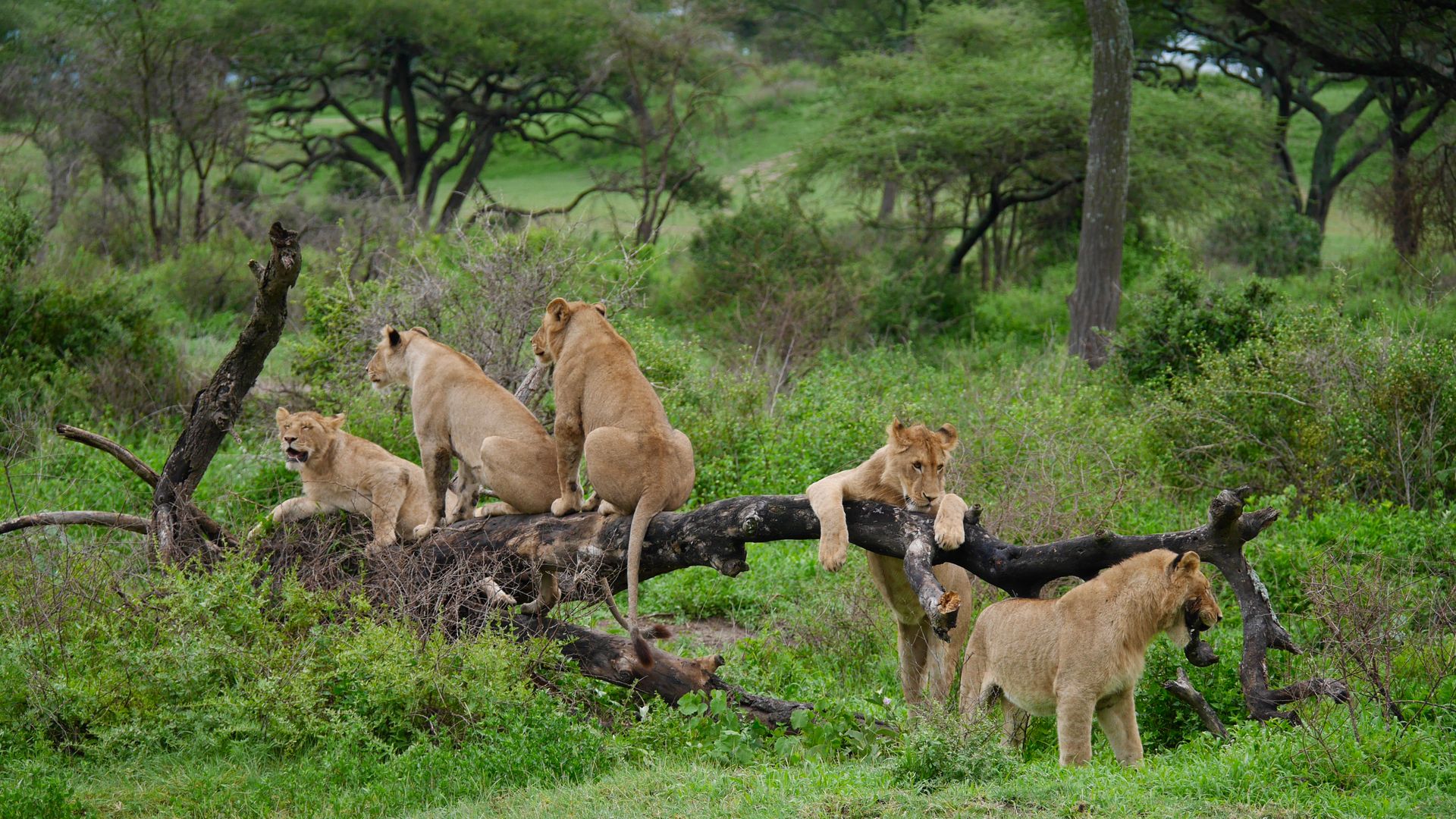
If your priority is reliable year-round game viewing rather than the crossing itself, you have far more breathing room. The Seronera area, served by Seronera Airstrip (SEU), holds resident lion prides, leopards along the Seronera River, and dense plains game all year.
- 2–3 months out is usually enough for a mid-range tented camp or lodge in Central Serengeti.
- Budget camping and public campsite trips can sometimes be arranged with as little as 3–4 weeks' notice, though vehicle and driver-guide availability tightens around July–September and the Christmas/New Year window.
- Luxury lodges with fewer than 20 rooms (Four Seasons Serengeti, Singita Sasakwa) still benefit from 4–6 months' lead time even outside migration season.
Booking Timeline at a Glance
- 12 months out: Lock river-crossing camps near Kogatende for July–September.
- 9 months out: Confirm domestic flights on Coastal Aviation or Auric Air into KGT (Kogatende) or SEU (Seronera).
- 6 months out: Book luxury fly-in lodges anywhere in the park.
- 3 months out: Confirm mid-range tented camps in Seronera, Ndutu, or Central Serengeti.
- 6–8 weeks out: Finalize a private driving safari with a local ground operator.
- 3–4 weeks out: Last realistic window for budget join-in camping safaris.
[Check Best Tanzania Safari Packages]
What a Serengeti Safari Actually Costs (Beyond the Quoted Rate)
This is where unguided travelers get caught out. TANAPA and NCAA (Ngorongoro Conservation Area Authority) fees are charged separately from your camp or lodge rate, and most third-party comparison sites quote base prices that exclude them.
The Fee Stack, Explained
- Serengeti National Park entrance fee: roughly $70 per adult per day in low season (January–May) and $83 per adult per day in high season (June–December), for foreign non-residents. Children aged 5–15 pay a reduced daily rate.
- Ngorongoro transit fee: almost every itinerary that enters the Serengeti overland from Arusha passes through the Ngorongoro Conservation Area, and that costs an additional $71 per adult per crossing — charged whether you stop at the crater or simply drive through.
- VAT: an 18% tax applies on top of most published park fees. Some operators fold this in; plenty don't, so ask directly.
- Concession or hotel fees: if your camp sits inside a private concession rather than the public park, expect an added $40–$70 per person per night, layered on top of the standard entrance fee.
- Ngorongoro Crater descent fee: if your route includes a game drive down into the crater floor, budget roughly $295 per vehicle, per descent — separate from the transit fee.
Pro Tip: Ask any operator for a full cost breakdown that separates "operator fee" from "government fee" line by line before you sign a contract. A quote that lists one flat number per day is often hiding a peak-season surcharge or an unbudgeted concession fee that surfaces at the gate.
Sample Real Cost: One Day Inside the Park
A single day for one adult inside Serengeti National Park during high season, staying at a lodge within a private concession, can run:
- Park entrance fee: $83
- Concession fee: roughly $60
- 18% VAT on both: roughly $26
- Rough total for park access alone: $169 per person, per day — before accommodation, meals, or the driver-guide's rate.
This is why a five-night mid-range Serengeti trip that looks like $2,000 on a comparison site can land closer to $3,000 once every fee is itemized. It's not a hidden markup — it's a fee structure most independent research skips over.
Booking Direct vs. Booking Through a Curated Local Operator
Both paths can work. The right one depends on how much logistical coordination you want to own yourself.
Booking Direct (Camp-by-Camp)
Contacting individual lodges and camps yourself can shave a small percentage off the room rate since there's no intermediary margin, and it works reasonably well if you already know exactly which two or three properties you want and you're comfortable arranging your own internal flights, transfers, and park-fee payments separately.
- Pros: Marginal cost savings on accommodation; direct relationship with the property.
- Cons: You coordinate flights, transfers, park fee payments, and vehicle logistics separately — and a missed connection or an unconfirmed transfer becomes entirely your problem to solve, often with no local backup.
Booking Through a Curated Local or Specialist Operator
In talking with field experts out of Seronera and Arusha, the recurring theme is that first-time Serengeti travelers get the most value — not necessarily the lowest sticker price — from an operator who builds one continuous itinerary: flights, transfers, park fees, and accommodation booked as a single chain.
- Pros: One point of contact if a flight is delayed or a camp changes availability; park and transit fees are pre-paid and confirmed at booking, not calculated at the gate; itineraries are matched to season and travel style rather than sold as fixed packages.
- Cons: A service margin is built into the price, though it's frequently offset by better rates negotiated in bulk with camps.
For a first Serengeti trip in particular, the coordination value tends to outweigh the marginal savings of booking every leg separately — a missed internal flight during migration season can cost you the one day you had allocated for the river crossing.
[Check Best Tanzania Safari Packages]
Matching Your Travel Style to a Package Type
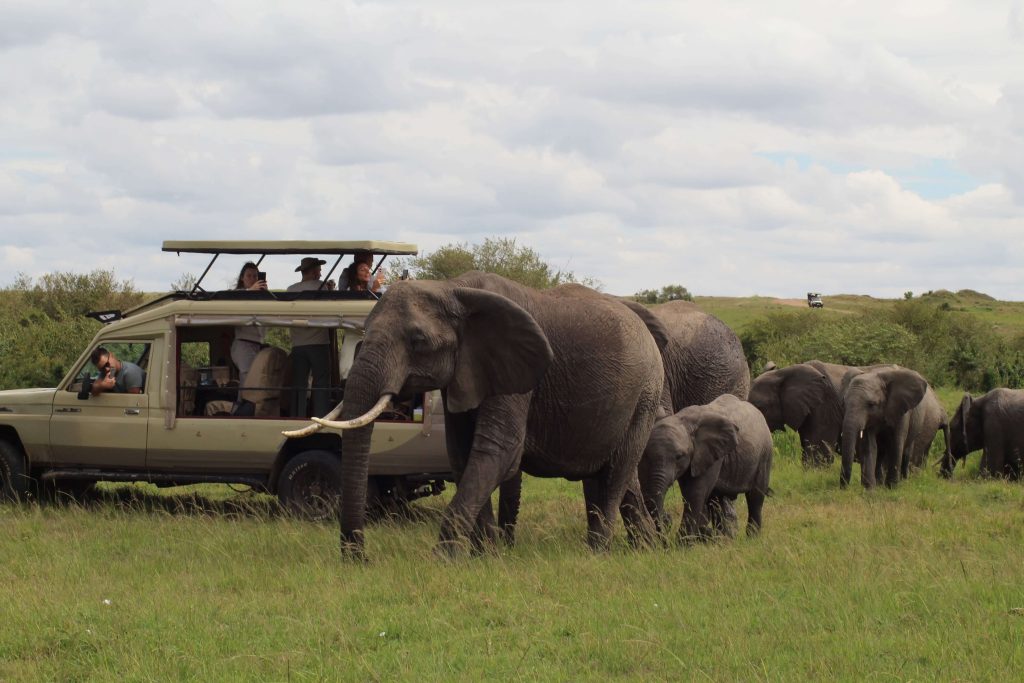
There's no universally "best" way to do a Serengeti safari — there's only the version that matches your budget, your tolerance for shared transport, and how much comfort you want at the end of a long game-drive day.
Serengeti Booking Options Compared
| Package Type | Typical Price Range (per person, per day) | Transit Style | Accommodation Type |
|---|---|---|---|
| Budget Join-In Camping | $150–$280 | Shared open-sided 4x4 with other travelers | Public campsites, own or shared tent, basic bucket showers |
| Mid-Range Private Driving Safari | $350–$650 | Private 4x4 Land Cruiser with dedicated driver-guide | Semi-permanent tented camps or 3–4 star lodges, en-suite bathrooms |
| Luxury Fly-In Safari | $800–$2,000+ | Light aircraft between airstrips, private vehicle at each stop | Boutique lodges or luxury mobile camps, full board, often all-inclusive |
Budget Join-In Camping
This style suits travelers who prioritize wildlife time over comfort and don't mind sharing a vehicle with 4–6 other guests on a fixed group itinerary.
- Expect early starts, shared costs on fuel and park fees, and a driver-guide who's also managing group logistics.
- Camping is typically at public campsites near Seronera, Naabi Hill, or Ndutu — not inside private concessions.
- Best paired with a shorter 3–4 day itinerary given the physical demands of camping through multiple park days.
Mid-Range Private Driving Safari
The most common first-time booking, and often the best value-per-dollar once fees are factored in, since you're not paying for a shared vehicle but also not paying luxury lodge premiums.
- A private vehicle means you set your own pace — extended time at a leopard sighting doesn't cut into anyone else's schedule.
- Overland transit from Arusha through Ngorongoro to Seronera typically takes 5–6 hours, factoring in the crater rim viewpoint stop and the transit fee payment at the NCAA gate.
- Road conditions inside the park are graded dirt and can turn to thick mud with minimal warning during the November and April rains — a 4x4 with good clearance isn't optional.
Luxury Fly-In Safari
Built for travelers who want to maximize wildlife time and minimize transit time, or who are covering multiple parks in a single trip.
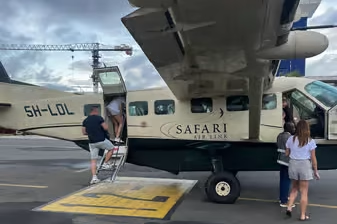
- Internal flights connect Arusha (ARK) to airstrips like Seronera (SEU), Kogatende (KGT), and Lake Manyara (LKY) in as little as 45–90 minutes, versus 5–6 hours by road.
- Most fly-in camps operate on a 15 kg soft-sided duffel limit per passenger due to light-aircraft weight restrictions — hard-shell suitcases are frequently turned away at the airstrip.
- This style suits families and couples who want fewer travel days lost to driving, especially on itineraries covering both the Serengeti and Ngorongoro or Tarangire.
[Check Best Tanzania Safari Packages]
Gates, Airstrips, and Getting There: The Details Nobody Mentions
Entry Gates
- Naabi Hill Gate — the main southeastern entry point, where most Arusha-to-Serengeti road itineraries enter after crossing Ngorongoro. Has a visitor center, restrooms, and a short walking trail with views over the plains.
- Ikoma Gate — the western entry point, used by travelers coming from the Lake Victoria side or connecting from Grumeti and Ikorongo Game Reserves.
- Klein's Gate — northeastern entry, closest to Lobo and the Wogakuria area, relevant for northern-circuit and migration-season itineraries.
- Ndabaka Gate — western entry near Lake Victoria, used less by tourists and more by self-drive or research traffic.
Some gates, including Ndabaka and Klein's, do not permit entry after 4:00 PM local time — plan overland arrival with a buffer, since a late gate arrival can mean an unplanned overnight outside the park.
Airstrips and Flight Codes
- Seronera Airstrip (SEU) — the busiest airstrip in the park, roughly a 2-hour drive from both Naabi Hill and Ndabaka Gates, serving Central Serengeti lodges and camps.
- Kogatende Airstrip (KGT) — on the Mara River in the far north, the closest airstrip to migration-season river crossings.
- Lake Manyara Airport (LKY) — outside the Serengeti itself but a common connecting point on northern-circuit itineraries linking Manyara, Tarangire, and the Serengeti.
Packing and Prep: What Actually Matters
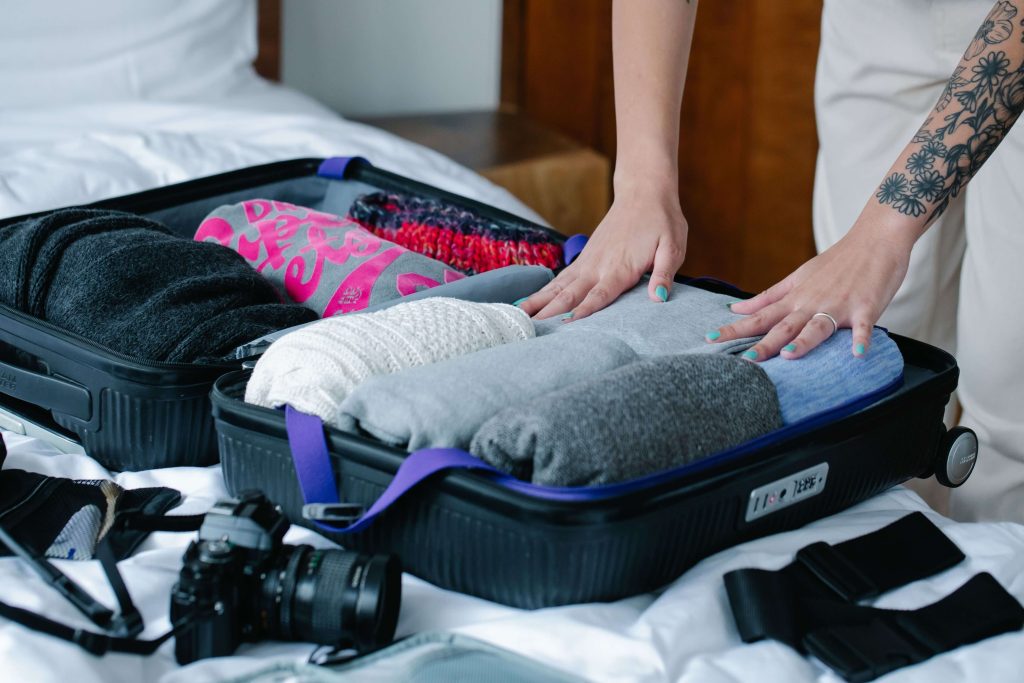
Feedback from repeat safari travelers converges on a short list of items that make the biggest practical difference — most of it has nothing to do with fashion and everything to do with dust, weight limits, and light discipline for photography.
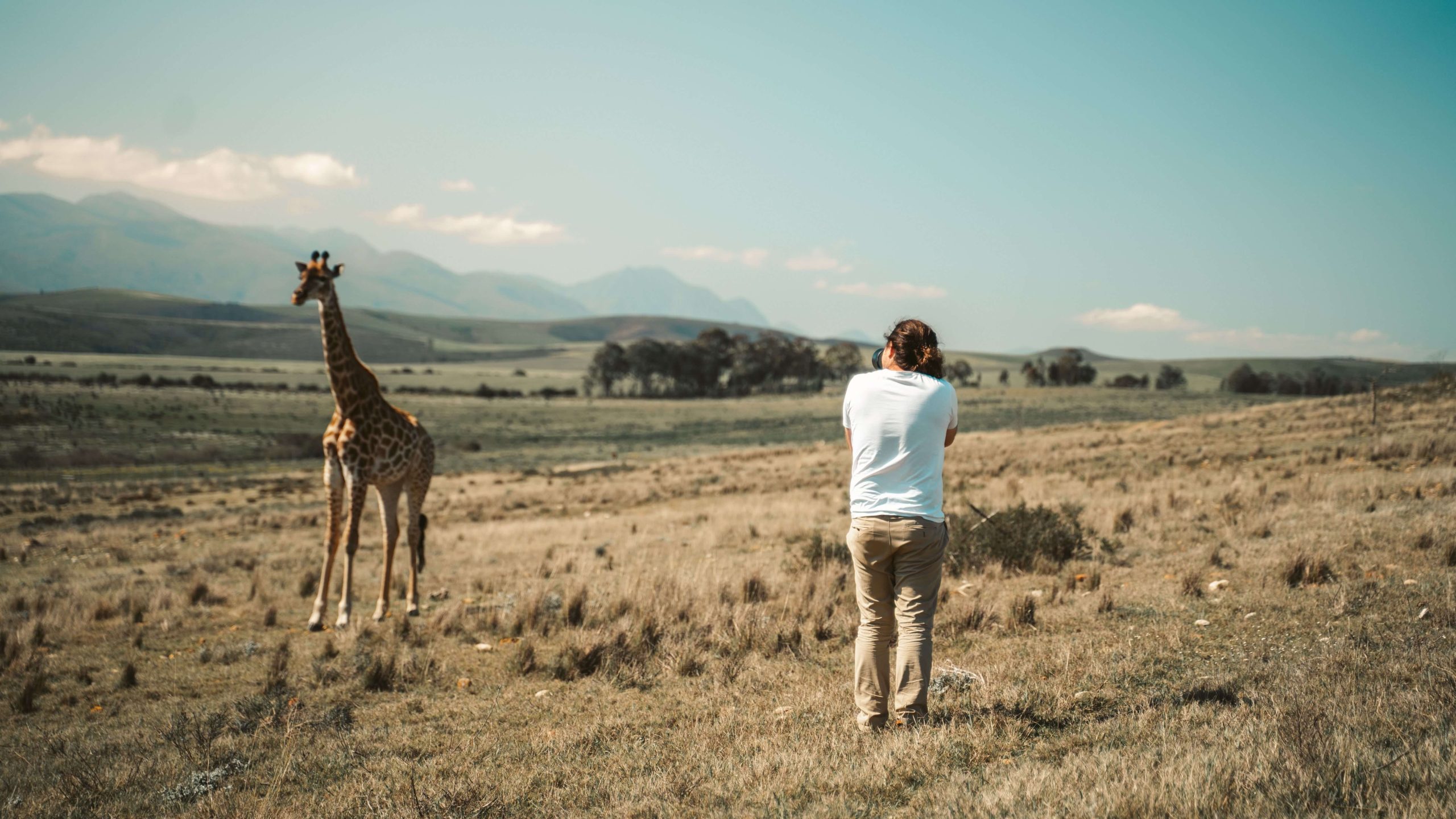
- Neutral-colored clothing (khaki, olive, tan) — bright colors and pure white stand out to wildlife and show dust immediately; dark blue and black can attract tsetse flies in wooded areas.
- A dust-proof camera bag — Serengeti roads generate fine, persistent dust that works into unsealed camera gear within a single game drive.
- Binoculars in the 8x42 to 10x42 range — something like a Nikon Monarch 5 10x42 gives enough magnification for distant cats without the shake of higher-power glass in a moving vehicle.
- A high-capacity power bank — most camps run generators on a schedule rather than 24-hour power, and a fly-in itinerary with multiple one-night stops leaves little time to fully recharge devices.
- A soft-sided duffel under 15 kg — mandatory for any fly-in leg; hard-shell suitcases are routinely rejected at small airstrips due to cargo-hold shape restrictions.
- A wide-brim hat and high-SPF sunscreen — the equatorial sun at 1,500+ meters elevation burns faster than most travelers expect, even on overcast days.
Add-On Experiences Worth Booking Separately
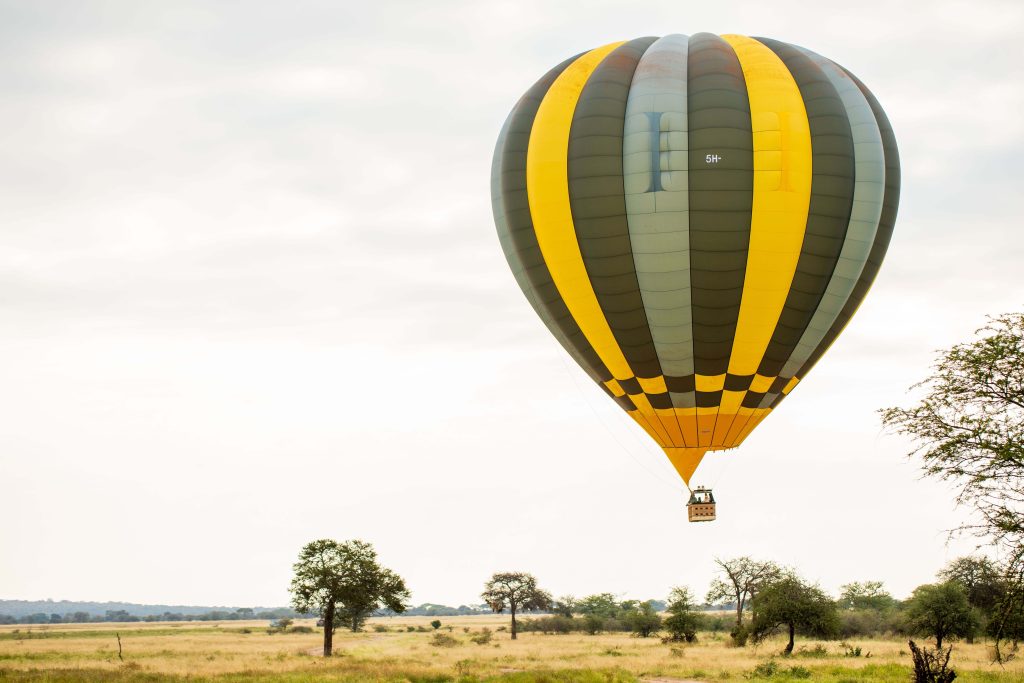
A base game-drive safari doesn't automatically include everything travelers want to do inside and around the park. These are commonly booked as standalone add-ons rather than bundled into the core package.
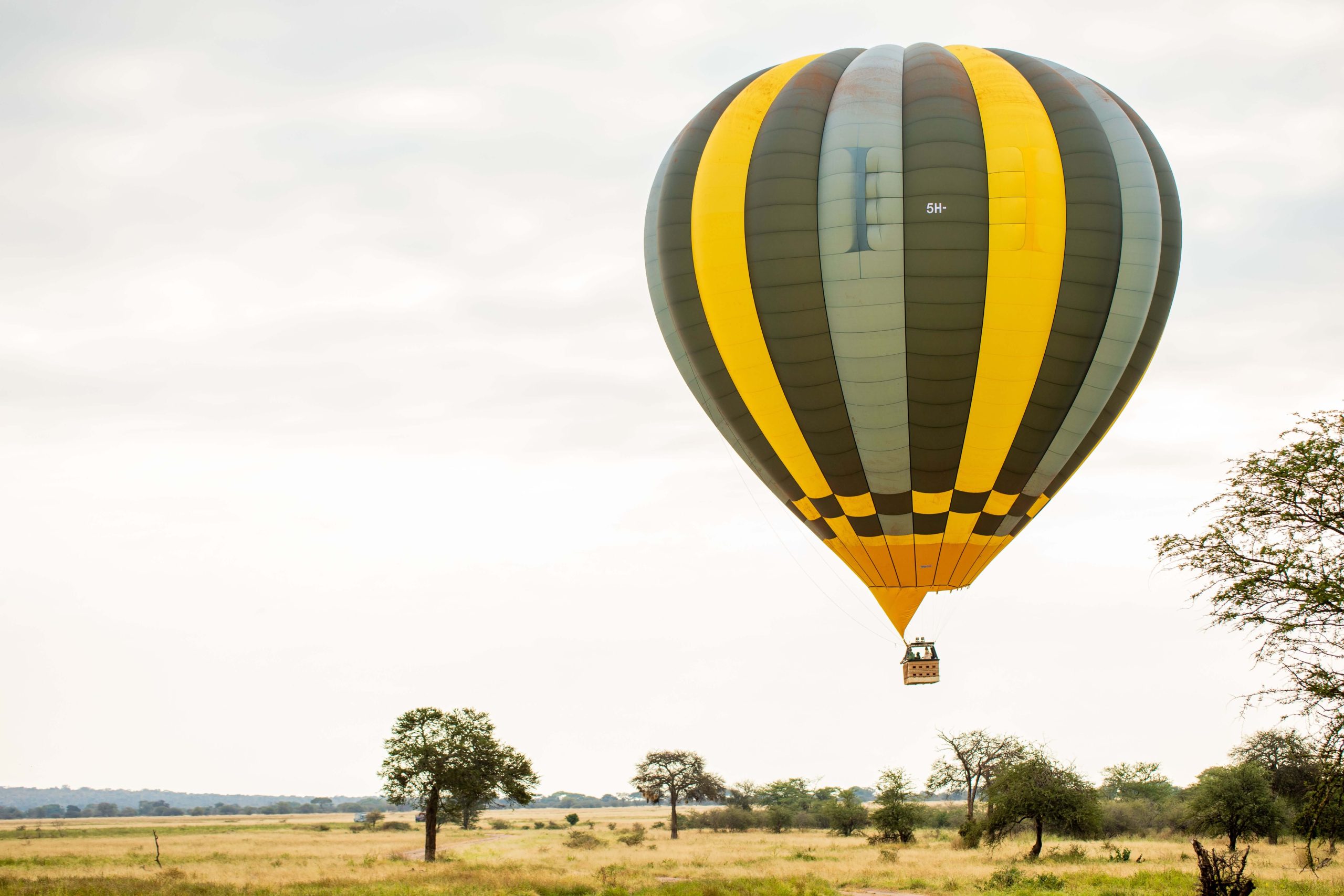
- Hot air balloon safaris over the plains at sunrise — typically booked the night before via camp staff or in advance through a specialist activity platform.
- Airport transfers between Kilimanjaro International Airport (JRO) and Arusha hotels, especially useful for travelers arriving a day before their safari starts.
- Cultural village visits near the park boundary, generally operated independently of TANAPA and priced separately from park fees.
Step-by-Step: How to Actually Book Your Serengeti Safari
- Set your travel window first. Migration-focused trips lock the rest of your timeline; non-migration trips have far more flexibility.
- Decide your travel style — budget camping, mid-range private driving, or luxury fly-in — before requesting quotes, since it changes which camps and operators are even relevant.
- Request an all-inclusive quote that separates operator fees from government fees (park entrance, transit, VAT, concession).
- Confirm flight or road logistics to match your accommodation's nearest gate or airstrip.
- Lock deposits early for river-crossing camps — 6–12 months ahead for July–September travel.
- Review your operator's cancellation and rebooking policy, particularly for fly-in itineraries dependent on connecting flights.
- Finalize packing around weight limits and dust protection roughly 4–6 weeks before departure.
[Check Best Tanzania Safari Packages]
Frequently Asked Questions
How far in advance should I book a Serengeti safari?
Book 6–12 months ahead for Great Migration river-crossing camps near Kogatende, especially for July–September travel. Mid-range Central Serengeti safaris and non-migration trips can usually be booked 2–3 months out.
Do Serengeti safari packages include park fees?
Not always — many quoted prices cover accommodation and game drives only, excluding the daily TANAPA entrance fee, the Ngorongoro transit fee, and 18% VAT. Always request an itemized breakdown before booking.
Is a private driving safari or a fly-in safari better for a first Serengeti trip?
A mid-range private driving safari is generally the strongest value for a first trip, balancing cost against the flexibility of a dedicated vehicle. A fly-in safari suits travelers with less time who want to minimize road transit and cover multiple parks.