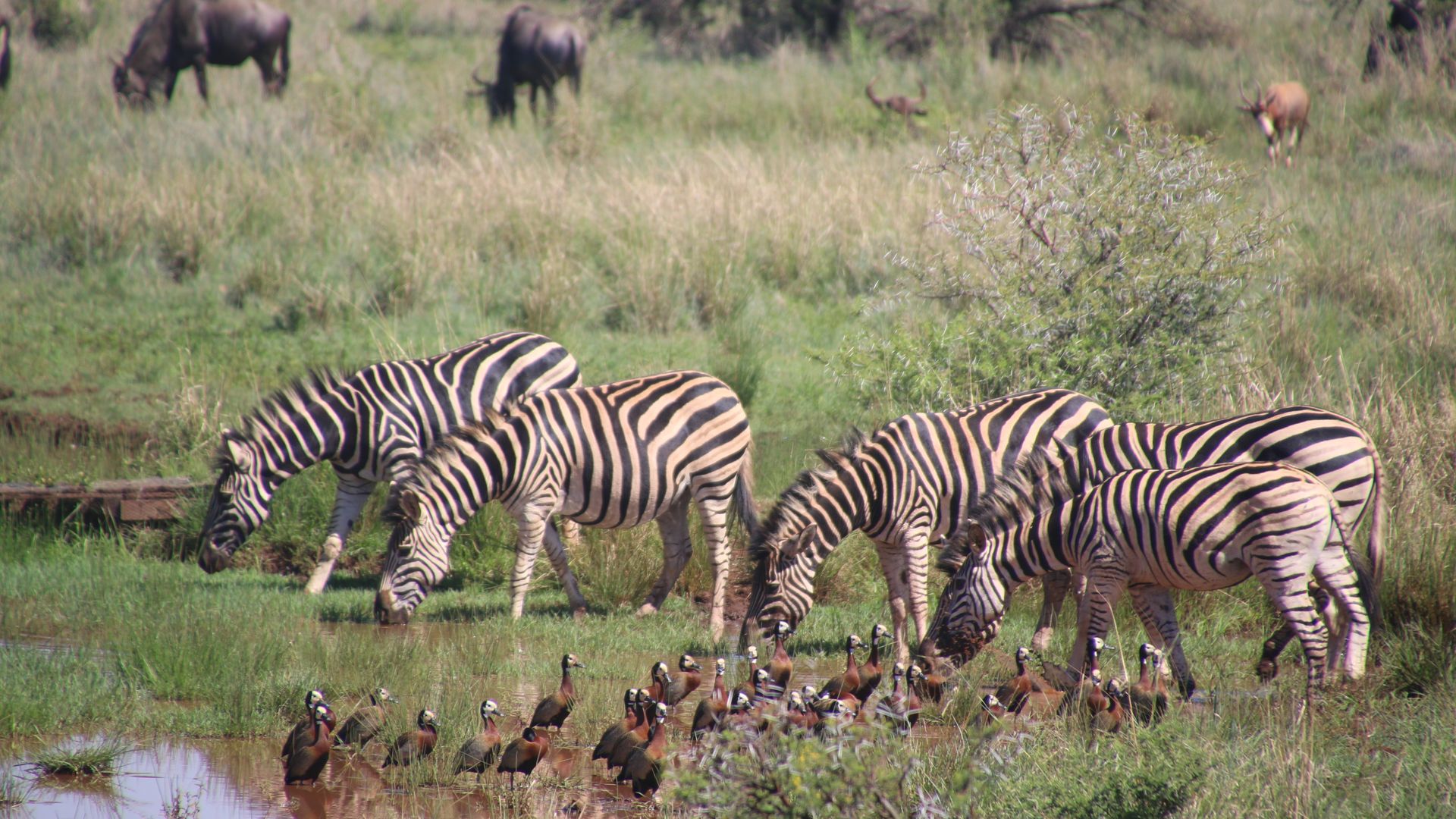

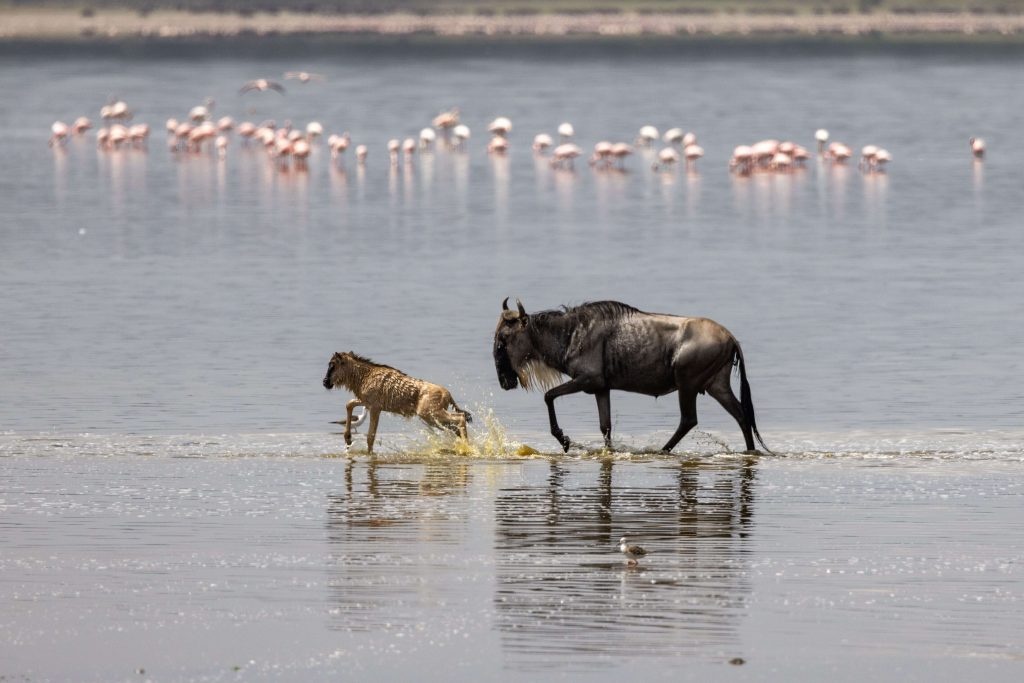
The Western Corridor is the finger of Serengeti National Park that stretches toward Lake Victoria, built around the Grumeti and Mbalageti Rivers. Its defining spectacle is the Great Migration's river crossing season, which peaks from late May through July, when wildebeest columns face down some of the largest Nile crocodiles in Africa.
Insider Trade-Off: This is the most exclusive and privacy-focused corridor in the Serengeti ecosystem, but that comes at a cost — nightly rates at the flagship lodges routinely start above $1,200 per person, and outside the June crossing window, game density drops noticeably compared to the Central Serengeti.
What Makes the Western Corridor Different
Most first-time Serengeti visitors default to Seronera in the Central Serengeti. Repeat travelers and photographers chase the Western Corridor for one reason: access. Much of the private land bordering the park here — the Grumeti Game Reserve — is under a single conservation concession, which means off-road driving and night game drives are permitted for guests staying on that land, activities banned inside the national park itself.
Camp managers in the area describe a guest profile skewing toward second- or third-time Tanzania visitors who've already "done" the crossings from Central Serengeti or the Mara and want something quieter. Veteran guides also point to the corridor's riverine forest, thick with fig and sausage trees along the Grumeti, as the only reliable spot in the northern Serengeti ecosystem to find Black-and-White Colobus monkeys, a species absent from the open plains further east.
Best Time to Visit the Western Corridor
Timing here is unforgiving. The migration is a moving target, and the corridor's appeal swings hard depending on the month.
May: The Build-Up
The long rains are tapering off, tracks are muddy but passable, and the wildebeest super-herds begin funneling out of the southern plains toward Grumeti. Grass is tall and green, which limits visibility but makes for the greenest photography backdrops of the year. Lodge rates sit in their lowest-shoulder pricing window, and the corridor's luxury camps are rarely full.
June: Peak Crossing Season
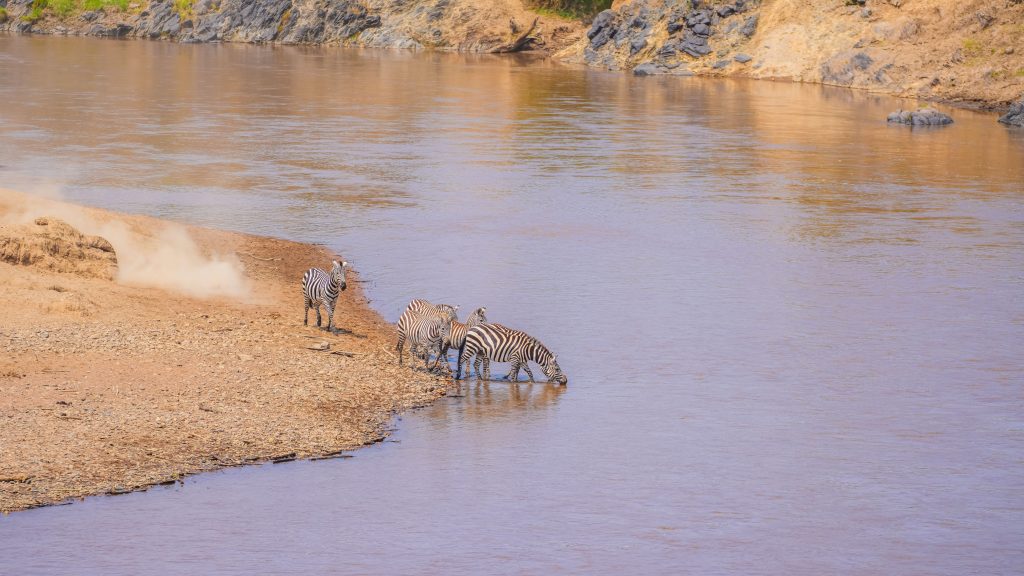
This is the headline month. Herds mass along the Grumeti River banks, and crossings — while less predictable in timing than the Mara River spectacle — happen with real regularity by mid-to-late June. Guides report the crocodiles here, some estimated over 16 feet, as noticeably larger than those found on the Mara. Bookings for this window typically close 6 to 9 months in advance at the marquee properties.
July: Herds Push North
By July, the bulk of the migration has usually crossed and continued north toward the Grumeti Reserve's northern boundary and eventually the Mara ecosystem. Crossing sightings become less frequent but resident game — elephant, giant eland, and the corridor's healthy leopard population — remains strong. Dry conditions set in, making off-road tracking easier.
August through October: Quiet Season
The migration has largely departed for the Mara and northern Serengeti. This stretch suits travelers prioritizing exclusivity and value over migration drama; several properties drop rates by 30 to 40 percent. Resident wildlife, particularly along the river's permanent water sources, stays consistently visible.
November through April: Green Season & Closures
Short rains arrive in November, and by April the long rains can make some western tracks impassable. Several seasonal camps, including the mobile tented operations, close entirely from late March through May. Bird photography peaks in this window as migratory species arrive in large numbers.
[Check Best Tanzania Safari Packages]
Where to Stay in the Western Corridor
Accommodation here splits cleanly into three tiers, and the tier you choose largely determines your access privileges.
Luxury: Design-Forward and Concession-Only
The corridor's top-tier lodges sit directly on the Grumeti River, built into the riverbank with a design language of glass, thatch, and reclaimed timber, offering exclusive-use game viewing across private concessions where drives rarely encounter another vehicle. Ridge-top alternatives trade river frontage for panoramic views and a smaller, more secluded footprint of just a handful of suites — favored by honeymooners and photographers wanting maximum privacy over proximity to the water.
Premium Luxury: The More Accessible Entry Point
Several tented camps sit firmly in the luxury tier alongside the corridor's flagship lodges, but at a comparatively lower nightly rate, offering classic canvas-and-thatch tented suites with river views while still sitting inside the private concession with off-road and night-drive privileges. This tier suits travelers who want the full exclusivity of the corridor's concession access without matching the top-end pricing of the region's most exclusive properties.
Authentic/Tented: Mobile and Seasonal
Seasonal, mobile tented camps relocate to track the herds, typically operating only from roughly June through October. These camps prioritize proximity to the actual crossing points over fixed infrastructure, and guests report a more rustic, canvas-walls-and-paraffin-lamp atmosphere than the fixed lodges.
| Tier | Best For | Typical Season |
|---|---|---|
| Luxury (River-Frontage) | Design-forward lodges, exclusive concession access | Year-round |
| Luxury (Ridge-Top) | Privacy, panoramic views, honeymoons | Year-round |
| Premium Luxury (Tented) | Value within the private concession | Year-round |
| Authentic/Tented (Mobile) | Proximity to crossing points | June–October |
>> View Packages <<
Signature Experiences & Game Drives
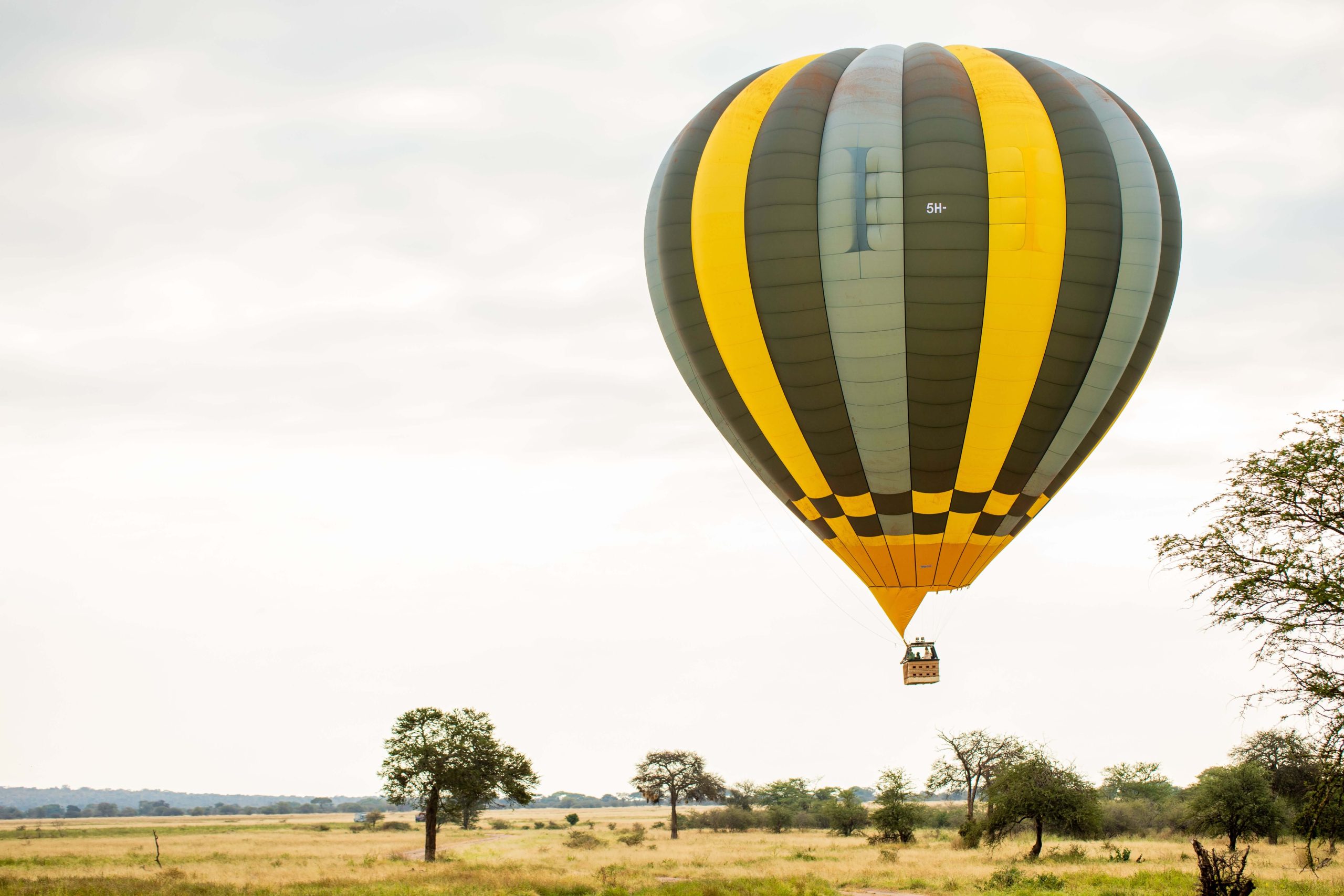
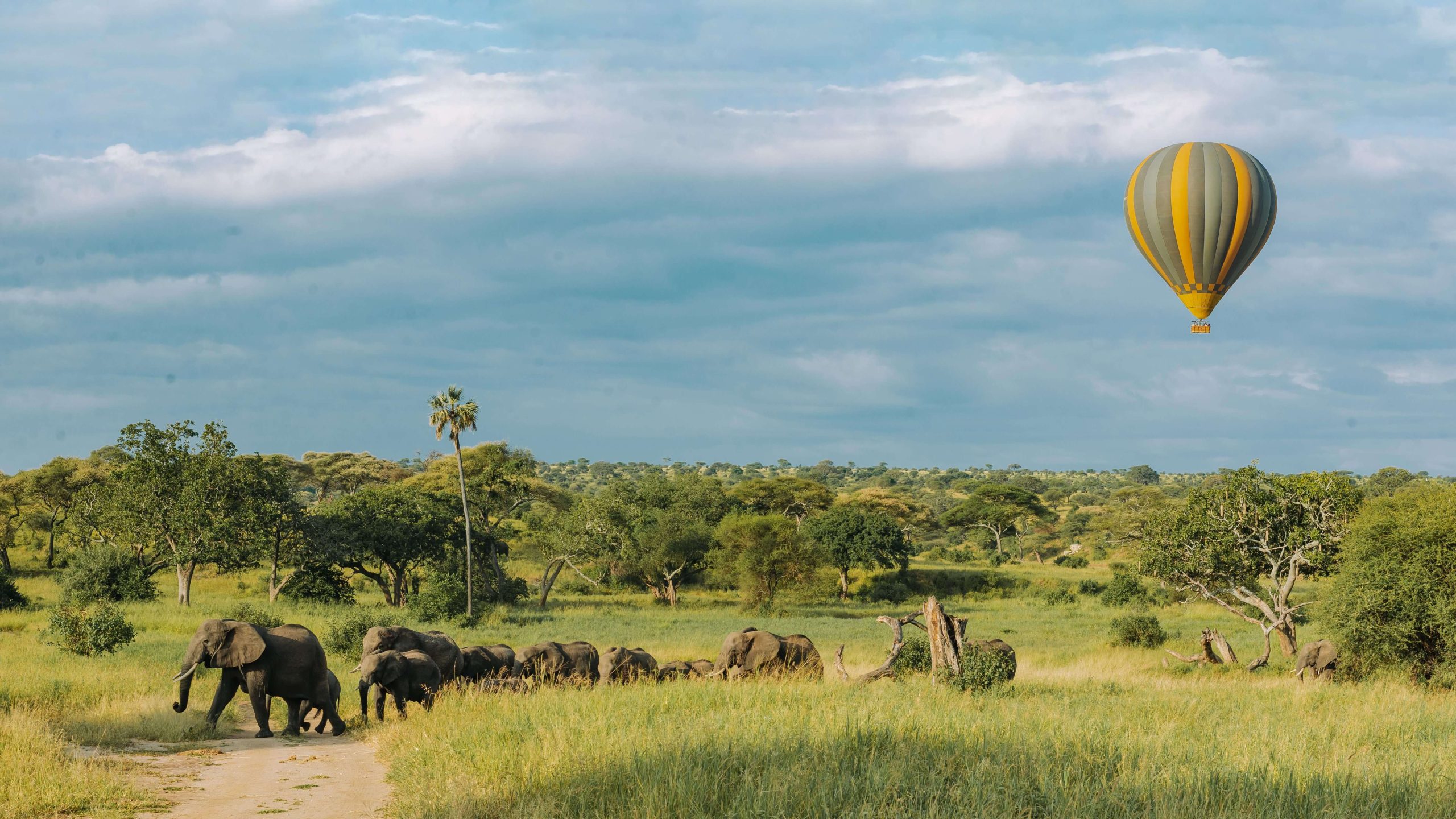
Hot Air Balloon Safari Over the Mbalageti and Grumeti Rivers
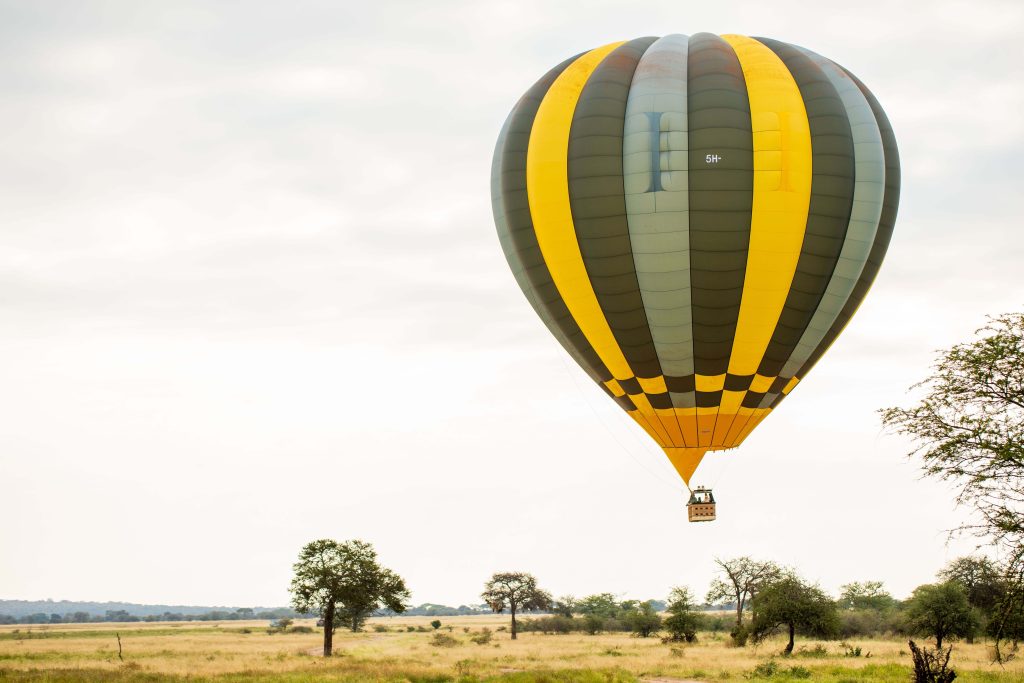
Balloon flights here launch seasonally, generally aligned with the drier months when wind conditions are stable enough for safe operation. Pickup happens at roughly 4:00 AM, with guests transferred by vehicle in darkness to the launch site as the balloon crew inflates the canopy by firelight.
Flight time runs approximately 45 minutes to an hour, drifting at altitudes that vary from just above tree-top height — close enough to watch giraffe and elephant react to the shadow passing overhead — up to several hundred feet for panoramic views of the river systems and floodplain. Landing is followed by the signature champagne bush breakfast, tables set directly on the plains with a full hot breakfast service.
Because only one or two balloon operators run flights in this part of the ecosystem and each balloon carries a limited number of passengers, guides consistently recommend booking this activity at the same time you book your lodge, not after arrival. Peak June crossing weeks sell out fastest.
[VIEW BALLOON SAFARI PACKAGE]
Game Drives: Morning, Midday, and Evening Circuits
Morning circuits depart before sunrise, typically 6:00 to 6:30 AM, targeting the river crossing points while temperatures stay cool and predator activity is highest. Guides prioritize the Grumeti's known crossing bottlenecks during peak season, positioning vehicles well ahead of herd movement.
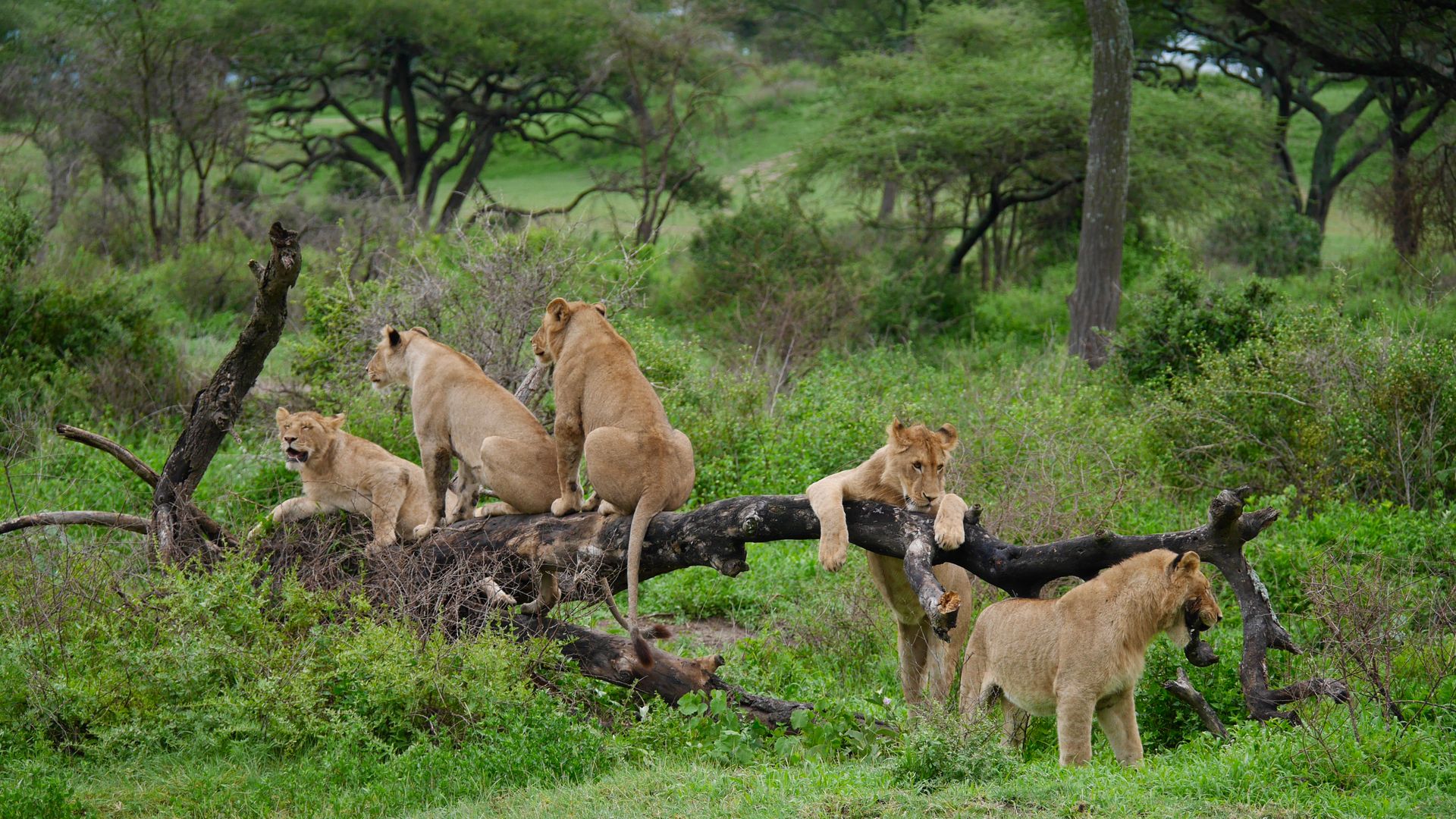
Midday circuits, available only to guests on private concession land, shift toward slower tracking — looking for resting leopards in the riverine forest canopy, and using the quieter hours for photography of resident species like giant eland and topi that are less active at dawn and dusk.
Evening circuits run into dusk and, for concession-based camps only, extend into night game drives using spotlights, revealing nocturnal species such as aardvark, civet, and genet that are essentially unseeable inside the national park's day-drive-only rules. This after-dark access is one of the strongest arguments for booking a Grumeti Game Reserve concession property over a park-boundary alternative.
[Check Best Tanzania Safari Packages]
Riverine Forest Walks and Colobus Tracking
Guided walking excursions through the fig-forest sections along the Grumeti River focus on the resident troops of Black-and-White Colobus monkeys, along with smaller birding-focused stops for turacos and hornbills that favor the dense canopy. These walks run shorter than typical bush walks elsewhere in Tanzania, generally under two hours, due to the thicker terrain and closer wildlife encounters.
Logistics & Getting There
By Air
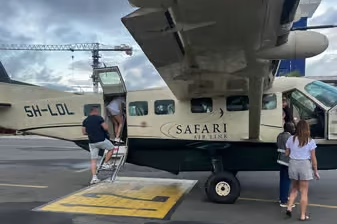
Most international travelers route through Kilimanjaro International Airport (JRO) or Zanzibar Airport (ZNZ), connecting onward via scheduled light-aircraft services. A smaller share arrive via Julius Nyerere International Airport (DAR) in Dar es Salaam before connecting inland.
From JRO or Arusha's domestic hub, scheduled flights route through the Serengeti's network of airstrips, landing at bush strips serving the Western Corridor directly — typically a short 20 to 30 minute flight from the Central Serengeti's Seronera airstrip, or a more direct routing depending on the operator's daily circuit.
By Road
Driving in from Arusha (ARK) is a full-day undertaking, generally 7 to 8 hours depending on road conditions and the entry gate used. Most vehicles enter via the Naabi Hill Gate on the park's eastern boundary, then continue west across the Serengeti's central plains before reaching the Western Corridor — a further 2.5 to 3 hours of driving from Naabi Hill to the Grumeti area.
Bullet breakdown for road transfer planning:
- Arusha to Naabi Hill Gate: roughly 4.5 to 5 hours
- Naabi Hill Gate to Seronera (Central Serengeti): roughly 45 minutes to 1 hour
- Seronera to Western Corridor camps: roughly 2 to 2.5 hours
- Total Arusha-to-Grumeti drive time: 7 to 8 hours, best split with an overnight stop in Central Serengeti
Given these distances, veteran guides overwhelmingly recommend flying rather than driving directly into the Western Corridor, reserving road transfers for travelers already combining a multi-night Central Serengeti stay beforehand.
>> View Packages <<
What to Pack for the Western Corridor
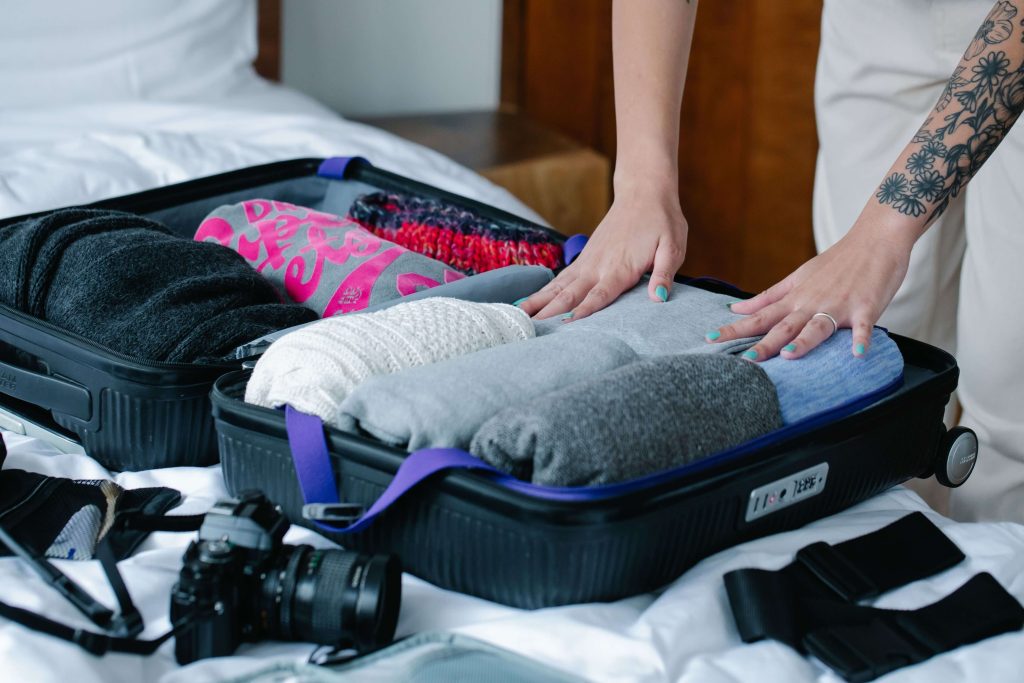
Optics for Kopjes and River-Crossing Distance
Crossing points on the Grumeti can put wildlife several hundred meters away across open water. Guides recommend 10x42 binoculars as the standard field spec — enough magnification for distant crossing action without the hand-shake instability of higher-power compact models. A stabilized image is more valuable here than raw zoom, given most viewing happens from a moving or idling vehicle.
[SAFARI BINOCULAR RECOMMENDATION]
Dust-Proof Bags for Rough Roads
The Western Corridor's tracks run rougher and dustier than the Central Serengeti's better-maintained routes, especially in the dry months. A weatherproof, dust-sealed camera bag with a roll-top or gasket-sealed closure protects lenses and camera bodies from the fine reddish dust that settles into zip teeth and lens threads on standard bags within days.
Thermal Layers for Open Dawn Drives
Pre-dawn game drives and balloon launches happen in near-freezing temperatures at altitude, even though daytime highs climb into the 80s Fahrenheit. A packable thermal base layer plus a windproof outer shell handles the 5:00 AM chill without adding bulk once temperatures rise by mid-morning.
Neutral-Toned Clothing
Camps universally request muted khaki, olive, and tan clothing rather than bright colors or camouflage patterns — the former to avoid spooking wildlife, the latter because camouflage-pattern clothing is restricted for civilians under Tanzanian law.
Pro Tip: Book any Western Corridor stay during the June crossing window at least six months ahead, and request a room or tent as close to the riverbank as the property allows — guides report that guests staying nearest the water get pulled into unscheduled, spontaneous crossing viewings that vehicle-based guests further inland simply miss.
Frequently Asked Questions
When is the best time to see river crossings in the Western Corridor? Late May through July offers the highest probability of witnessing a Grumeti River crossing, with June generally producing the most consistent activity. Crossing timing remains weather- and herd-dependent, so no single week is guaranteed.
Is the Western Corridor better than the Central Serengeti for photography? For crossing action and after-dark species, yes, largely due to the private concession's off-road and night-drive access. For sheer volume of resident predators and open-plains game density, Central Serengeti still edges it out outside of June.
Do I need a private concession stay to see the Grumeti crossings? No — national park camps and mobile tented options can access public crossing viewpoints, but only concession-based luxury lodges offer off-road positioning and night drives that put guests closer to the action.