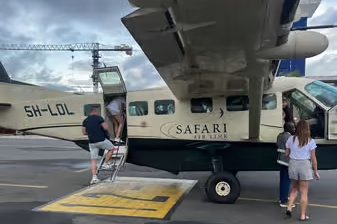

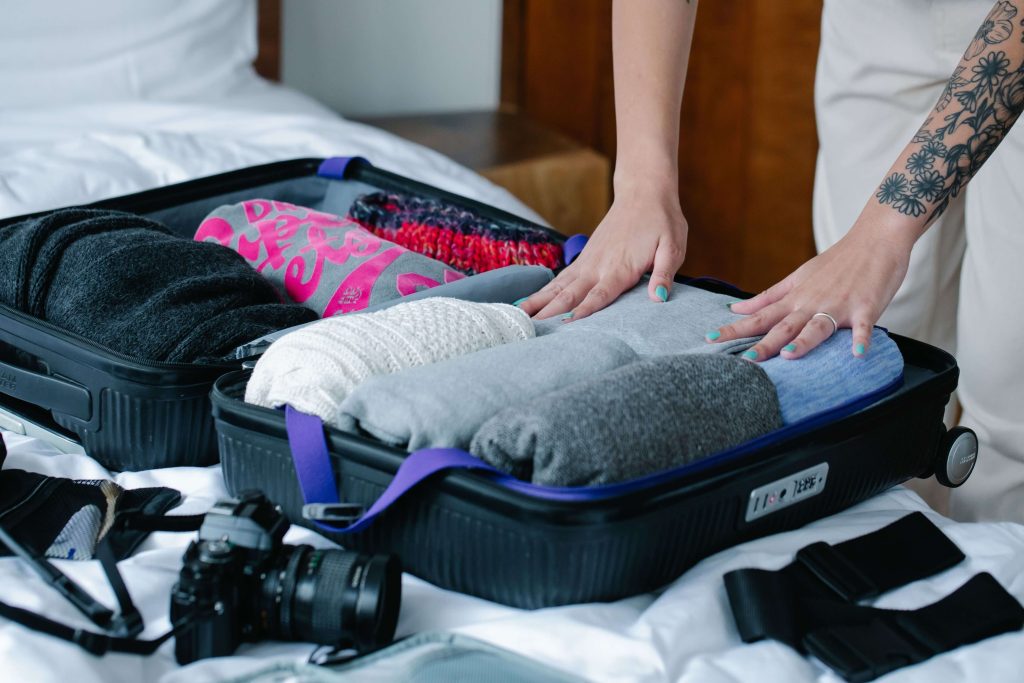
Packing for a Serengeti safari means fitting neutral-toned layers, a dust-proof camera bag, and 8x42 binoculars into a 15 kg (33 lb) soft-sided duffel — anything harder-shelled or heavier gets rejected at the bush airstrip. Get the luggage format wrong and you won't be arguing about it in the Serengeti; you'll be repacking on the tarmac in Arusha while your flight waits.
Insider warning: Most first-time safari travelers over-pack for the heat and under-pack for the cold. Dawn game drives in an open-sided Land Cruiser at 10°C (50°F) with wind chill from a moving vehicle are genuinely uncomfortable without a proper base layer, and that mistake ruins more mornings than sunburn ever does.
Quick-Answer Packing Checklist
Before the deep dives below, here's the condensed version for anyone scanning on a phone before a flight.
- Soft-sided duffel bag, no external frame, 15 kg / 33 lbs total including camera gear
- 4–5 neutral-colored outfits (khaki, tan, olive, stone) — no blue, black, bright white, or red
- Fleece or down layer plus a windproof shell for dawn drives
- 8x42 or 10x42 binoculars, one pair per person, not shared
- Dust-proof dry bag or rain cover for cameras and electronics
- Two power banks (10,000mAh+) for camps with limited generator hours
- Wide-brim hat, polarized sunglasses, high-SPF sunscreen, lip balm
- Basic malaria-zone first aid kit and any prescription medications in carry-on
Why the Luggage Limit Is Non-Negotiable
The 15 kg Soft-Sided Duffel Rule
Almost every Serengeti safari itinerary includes at least one leg on a light aircraft — the small Cessna Caravans and similar bush planes operated by carriers flying between Arusha (ARK), Seronera (SEU), Kogatende (KTE), and Lobo (LOB). These aircraft have brutally limited cargo holds, and the standard baggage allowance is 15 kg (33 lbs) per person, checked and carry-on combined.
That weight figure isn't a soft suggestion. Field agents at these airstrips use handheld scales, and overweight bags get pulled, repacked, or left behind entirely if the flight is full. Hard-shell suitcases are refused outright at most operators because their rigid shape doesn't compress into the aircraft's low, narrow hold.
- Choose a duffel that collapses flat when empty, not one with a rigid internal frame
- Aim to pack 12–13 kg to leave a buffer, since camera bodies and lenses add up fast
- Weigh your bag at home on a luggage scale before you ever reach Arusha
- Confirm your specific carrier's limit in advance — some charter operators cap it at 12 kg on smaller aircraft
What Happens If You're Over
Feedback from safari travelers consistently mentions the same scramble: sorting through a suitcase on the departure curb, stuffing a jacket into a daypack to shed weight from the checked bag. Avoid it by packing in the duffel from day one at home, not just transferring into it the morning of the flight.
Clothing Colors: What to Wear and What to Avoid
The Neutral Palette Rule
Veteran Tanzanian guides often note that clothing color affects both your comfort and the animals' behavior, which surprises a lot of first-timers who assume it's purely an aesthetic safari cliché.
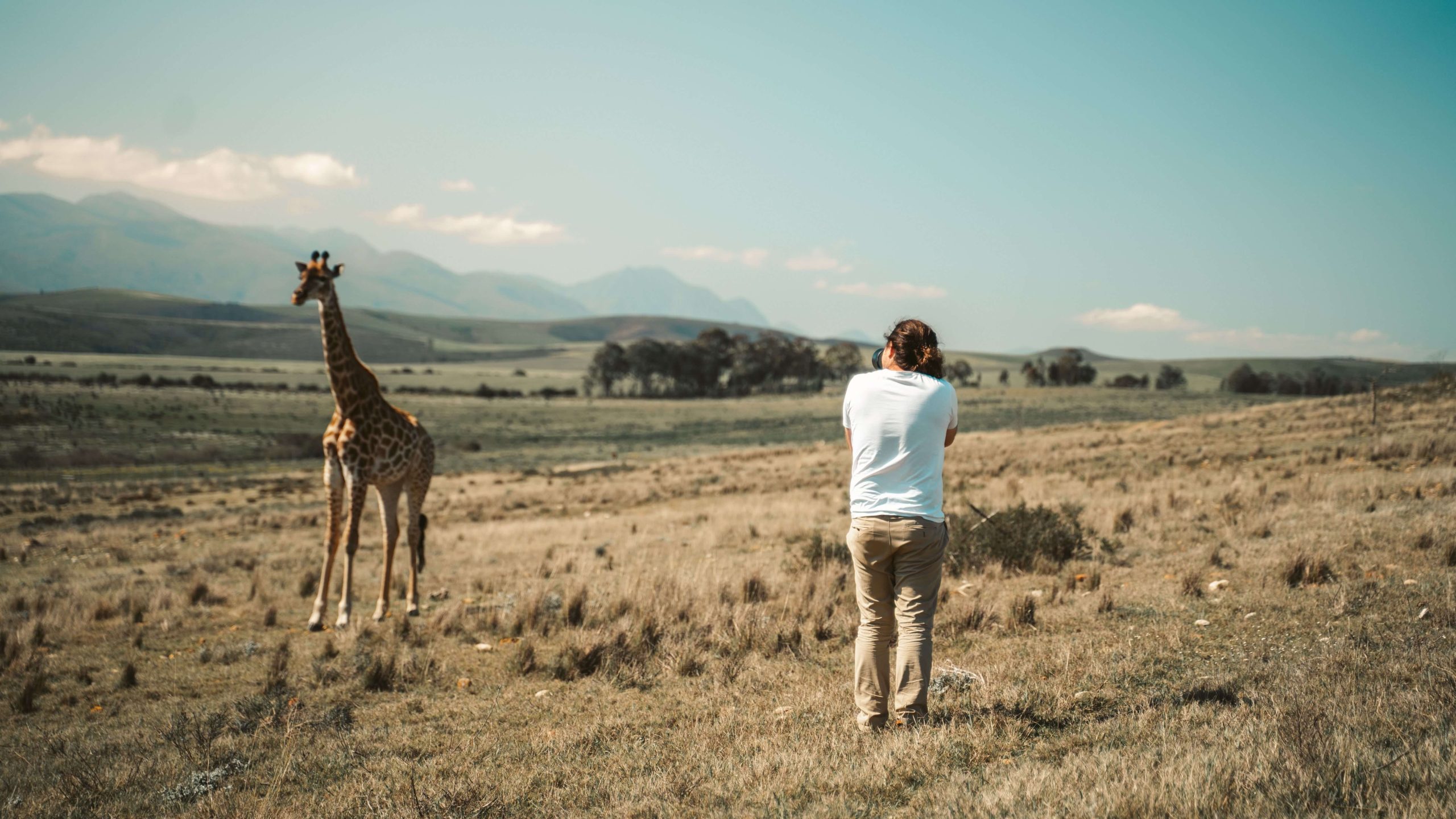
Wear: khaki, tan, olive, sand, stone gray, and muted browns. These tones blend into the dry-season grass and don't spook grazing animals during close approaches.
Avoid dark blue and black. Tsetse flies are strongly attracted to these colors, and a tsetse bite is sharp enough to go through thin fabric. This matters most in riverine woodland areas like the Grumeti and around Seronera, where tsetse populations are denser.
Avoid bright white and red. White reflects harshly in strong midday sun and stands out against the landscape, unsettling wildlife at range. Red and other saturated bright colors read as alarming or aggressive to some animals and simply make you more visible to everything, including the safari vehicles ahead of you trying to approach quietly.
Layering for Extreme Temperature Swings
Understanding the Daily Range
The single biggest packing miscalculation is treating the Serengeti as uniformly hot. A typical dry-season day swings from roughly 10°C (50°F) at a 6 a.m. game drive departure to 28°C (82°F) by early afternoon, and open-sided vehicles amplify the cold with wind chill.
Base Layer (Dawn, 5:30–8 a.m.)
- Long-sleeve moisture-wicking base top in a neutral tone
- Fleece or lightweight down mid-layer that packs small
- Windproof, packable outer shell — wind at 60 km/h (37 mph) on an open vehicle cuts through cotton fast
Mid-Layer (Mid-Morning Transition, 8–10 a.m.)
- Remove the shell first, then the fleece as temperatures climb
- Keep a light long-sleeve on for sun protection even once it's warm
Midday Layer (11 a.m.–3 p.m.)
- Breathable short-sleeve shirt or lightweight long-sleeve for sun coverage
- Wide-brim hat with a chin strap — vehicles move fast enough on rough tracks to blow off anything unsecured
- Neck gaiter or buff for dust on unpaved roads near Naabi Hill Gate and the western corridor
Evening Layer (Post-Sunset at Camp, 6–9 p.m.)
- Fleece back on once the sun drops — temperatures fall quickly after dusk
- Closed shoes rather than sandals, since camps are unfenced and wildlife moves through after dark
Pro Tip: Pack layers you can put on and strip off without leaving the vehicle seat. Fumbling with a zipper mid-drive means missing the cheetah sighting your guide just radioed about.
Optics and Photography Gear
Binoculars: The Non-Negotiable Item
Guides interviewed across multiple Seronera-based operators are consistent on this point: a shared pair of binoculars between two travelers is the most common regret voiced on safari. Bring one pair per person, full stop.
- 8x42 — wider field of view, better in low light at dawn and dusk, generally the better all-around choice
- 10x42 — more magnification for distant sightings on the open plains, slightly narrower field of view
- Avoid anything below 8x magnification or with a compact 25mm objective lens; both perform poorly in the low light of early drives
Protecting Cameras from Dust
The Serengeti's dry-season roads generate fine, talc-like dust that gets into everything during open-vehicle game drives, particularly on the unpaved stretches through the central and western Serengeti.
- A dust-proof dry bag or rain cover for your camera body and lenses is essential, not optional, even in dry weather
- Change lenses inside the vehicle cab or a sealed bag, never in the open air on a moving track
- Bring a rocket blower and microfiber cloths rather than relying on compressed air canisters, which are awkward to pack and often restricted on small aircraft
Power and Charging Reality
Most tented camps and lodges run on generator power for scheduled windows, commonly a few hours in the morning and again in the evening, rather than 24-hour grid electricity. Between those windows, camp outlets go dark.
- Bring two power banks rated at 10,000mAh or higher, since one alone won't cover a multi-day circuit without a full recharge
- A solar charger is a smart backup for longer itineraries in more remote western or northern Serengeti camps
- Pack a universal travel adapter — Tanzania uses UK-style Type G plugs
- Charge everything during the active generator windows, not on your own schedule
Health, Sun Protection, and Practical Extras
Sun and Insect Protection
- Broad-spectrum SPF 50 sunscreen, reapplied at midday even on overcast days since equatorial UV is intense year-round
- DEET-based insect repellent, applied particularly around dawn and dusk when tsetse and mosquito activity peaks
- Lip balm with SPF — the combination of wind and altitude dries lips out faster than most travelers expect
Malaria-Zone First Aid Basics
The Serengeti is within a malaria-risk zone, and Tanzanian guides regularly recommend confirming your prophylaxis plan with a travel clinic weeks before departure, not the week of.
- Prescription antimalarials, packed in carry-on with documentation
- Basic first aid kit: adhesive bandages, antiseptic wipes, anti-diarrheal medication, rehydration salts
- Any personal prescription medications in original labeled packaging, also in carry-on in case checked items are delayed
Footwear
- One pair of closed, comfortable walking shoes for camp and any guided bush walks
- Sandals for downtime at the lodge only, never for walking after dark
Comparison Table: Packing List at a Glance
| Category | Recommended Item | Key Spec / Note |
|---|---|---|
| Luggage | Soft-sided duffel | 15 kg / 33 lbs max, no rigid frame |
| Clothing color | Khaki, tan, olive | Avoid blue/black (tsetse), white/red (visibility) |
| Dawn layer | Fleece + windproof shell | For 10°C (50°F) open-vehicle drives |
| Midday layer | Breathable long-sleeve | For 28°C (82°F) sun exposure |
| Optics | 8x42 or 10x42 binoculars | One pair per traveler |
| Camera protection | Dust-proof dry bag | Essential on unpaved dry-season roads |
| Power | 2x power banks, 10,000mAh+ | Camps run generators on set hours only |
| Health | Antimalarials + first aid kit | Carry-on, with travel clinic guidance |
| Footwear | Closed walking shoes | For camp and bush walks after dark |
Planning Activities Around Your Packing
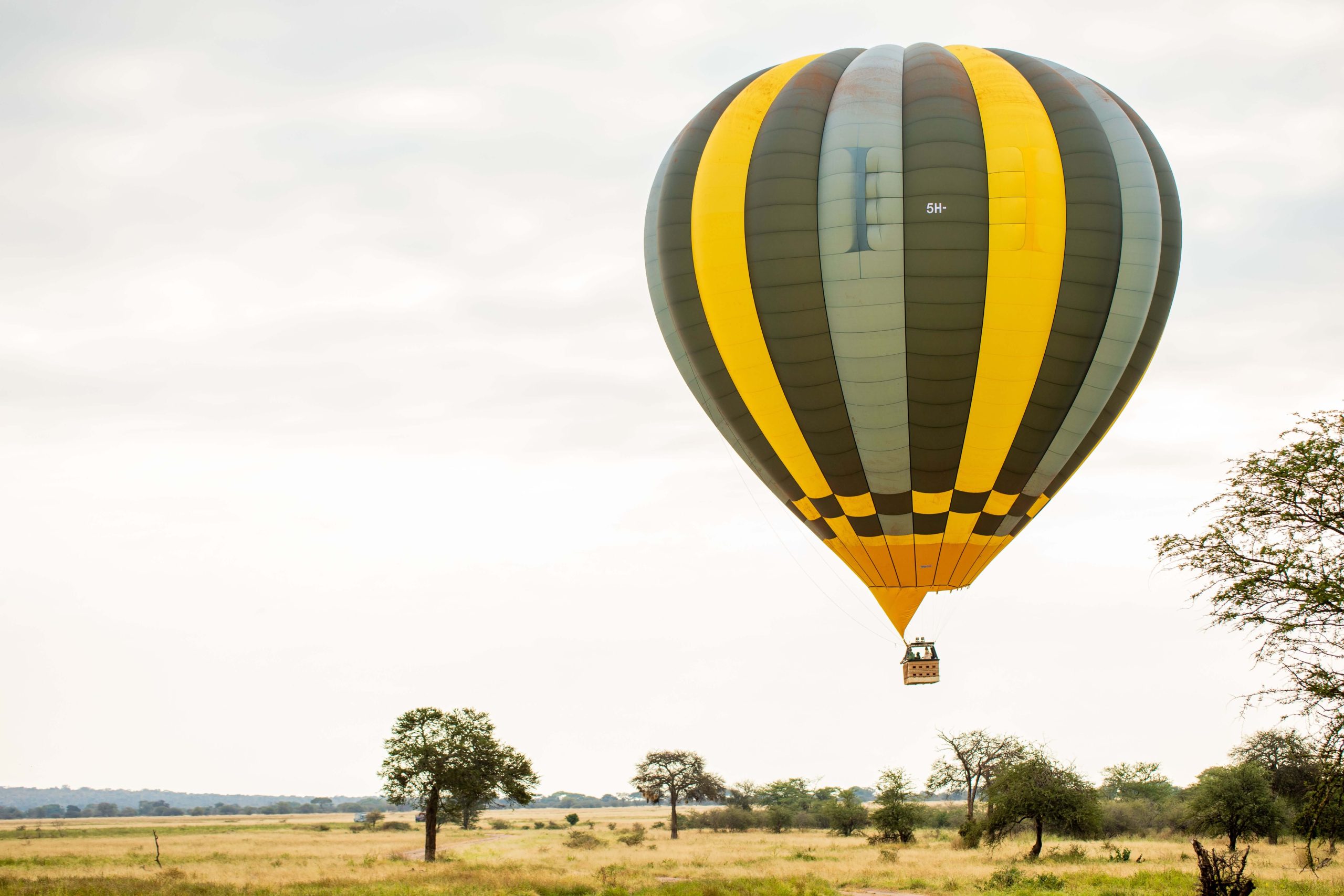
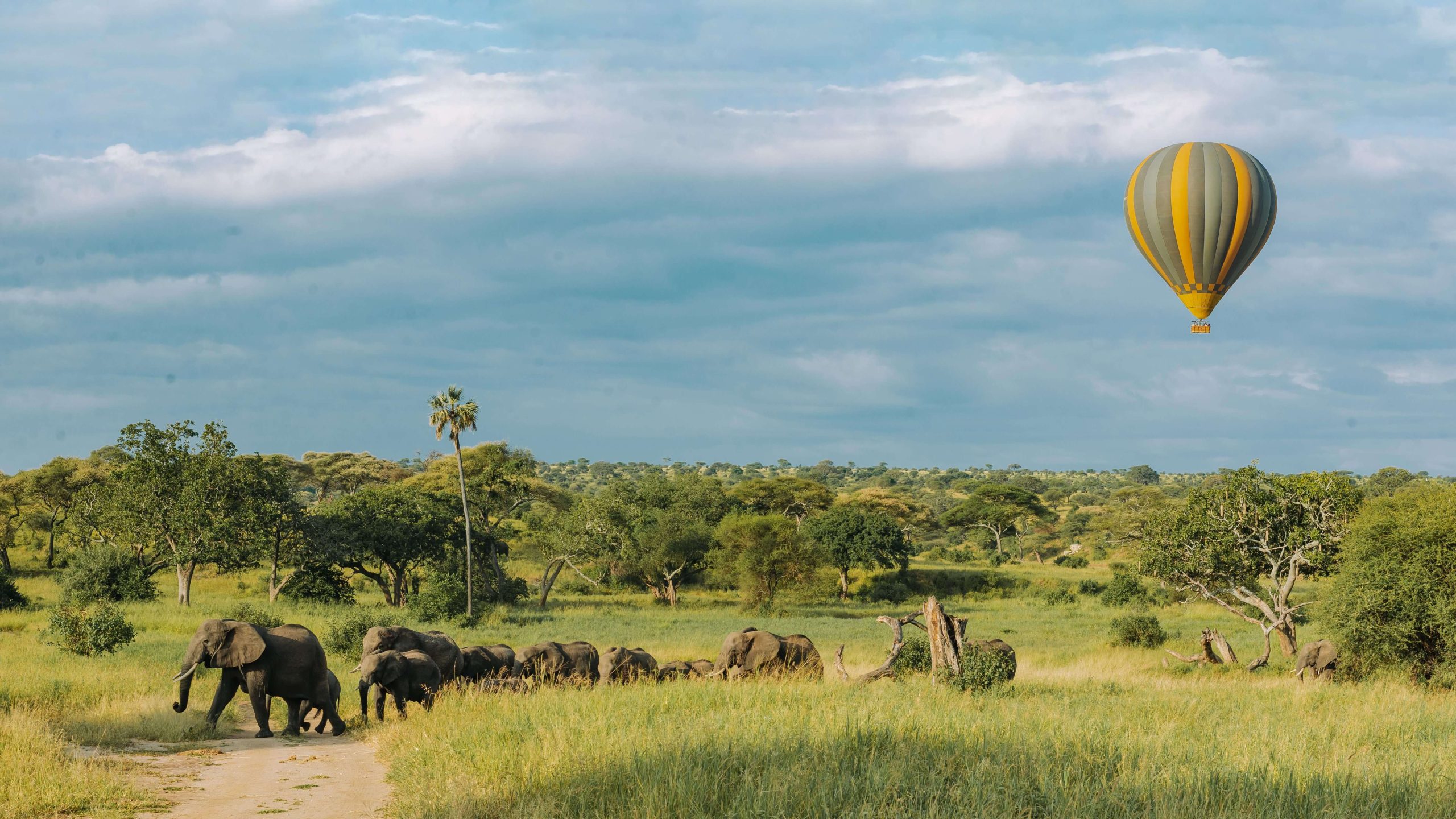
Once your gear is sorted, the logistics of getting between the Arusha airport, your lodge, and any add-on excursions like a hot air balloon safari or a cultural visit to a nearby Maasai community are worth booking ahead rather than arranging on arrival.
For travelers combining a Serengeti circuit with a side trip to Ngorongoro Crater or a transfer from Kilimanjaro International Airport, pre-booked transfers remove one more variable from an already gear-heavy trip.
Frequently Asked Questions
Do I really need a soft-sided duffel bag for a Serengeti safari? Yes — most itineraries include a bush flight leg where hard-shell suitcases are refused because they don't fit the aircraft's cargo hold. A collapsible duffel under the 15 kg limit is standard practice across nearly every operator.
Why can't I wear blue or black on safari? Dark blue and black attract tsetse flies, which deliver a sharp, painful bite through thin fabric. Neutral tones like khaki and olive avoid this problem while also blending better with the landscape.
How cold does it actually get on morning game drives? Dawn departures around 6 a.m. commonly sit near 10°C (50°F), and wind chill from a moving open-sided vehicle makes it feel colder still. A fleece layer and windproof shell are essential even though afternoons reach 28°C (82°F).