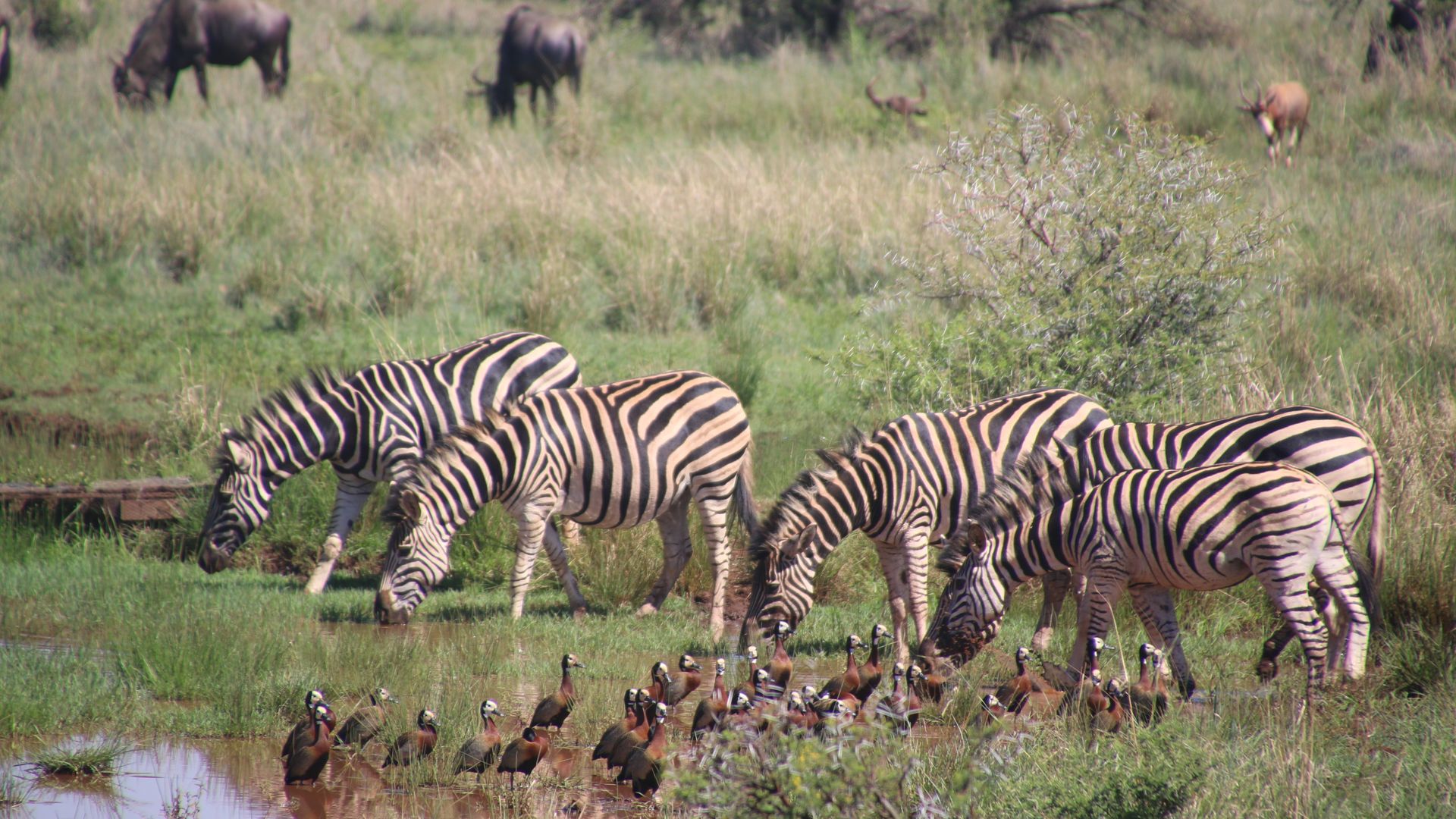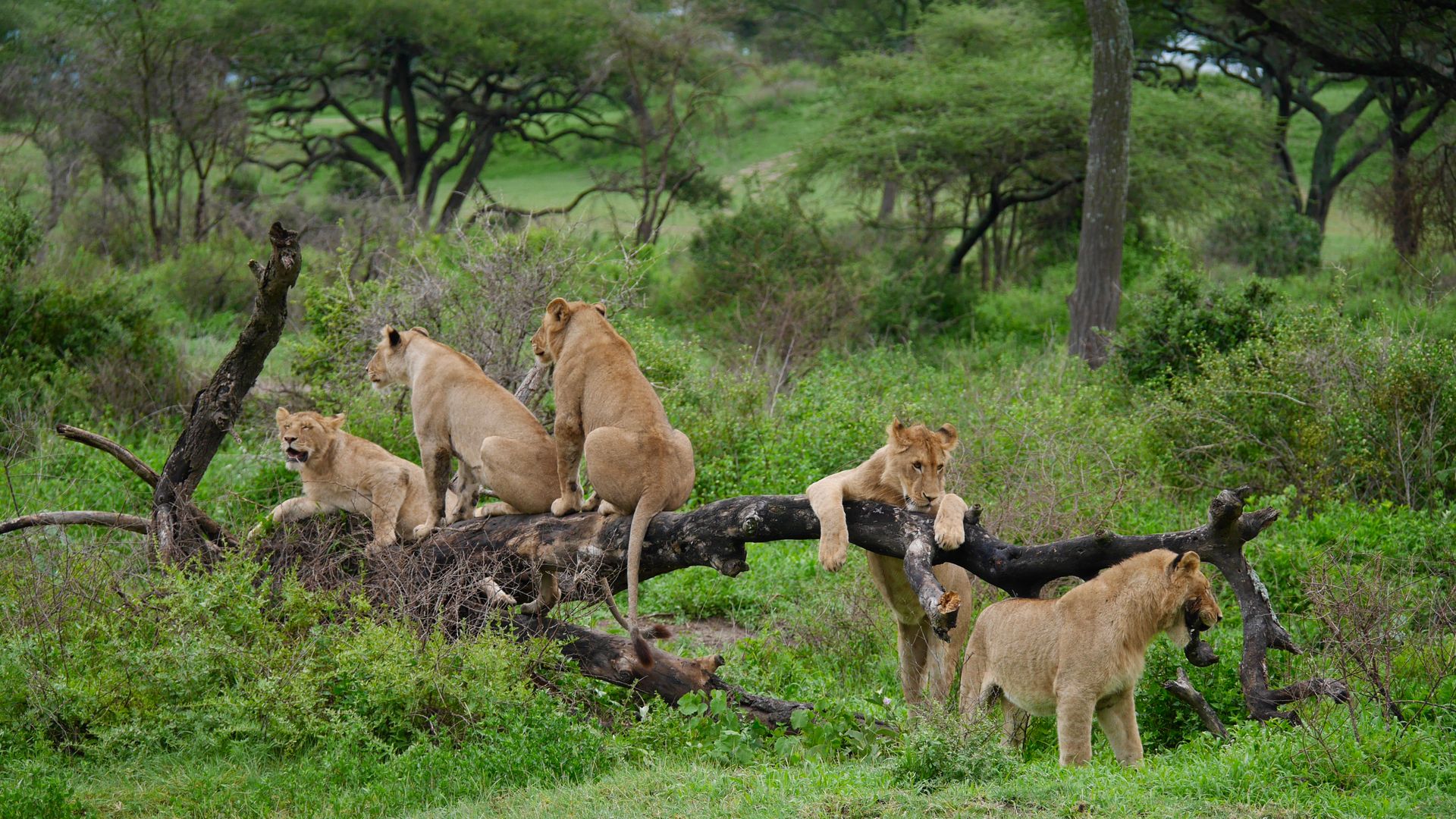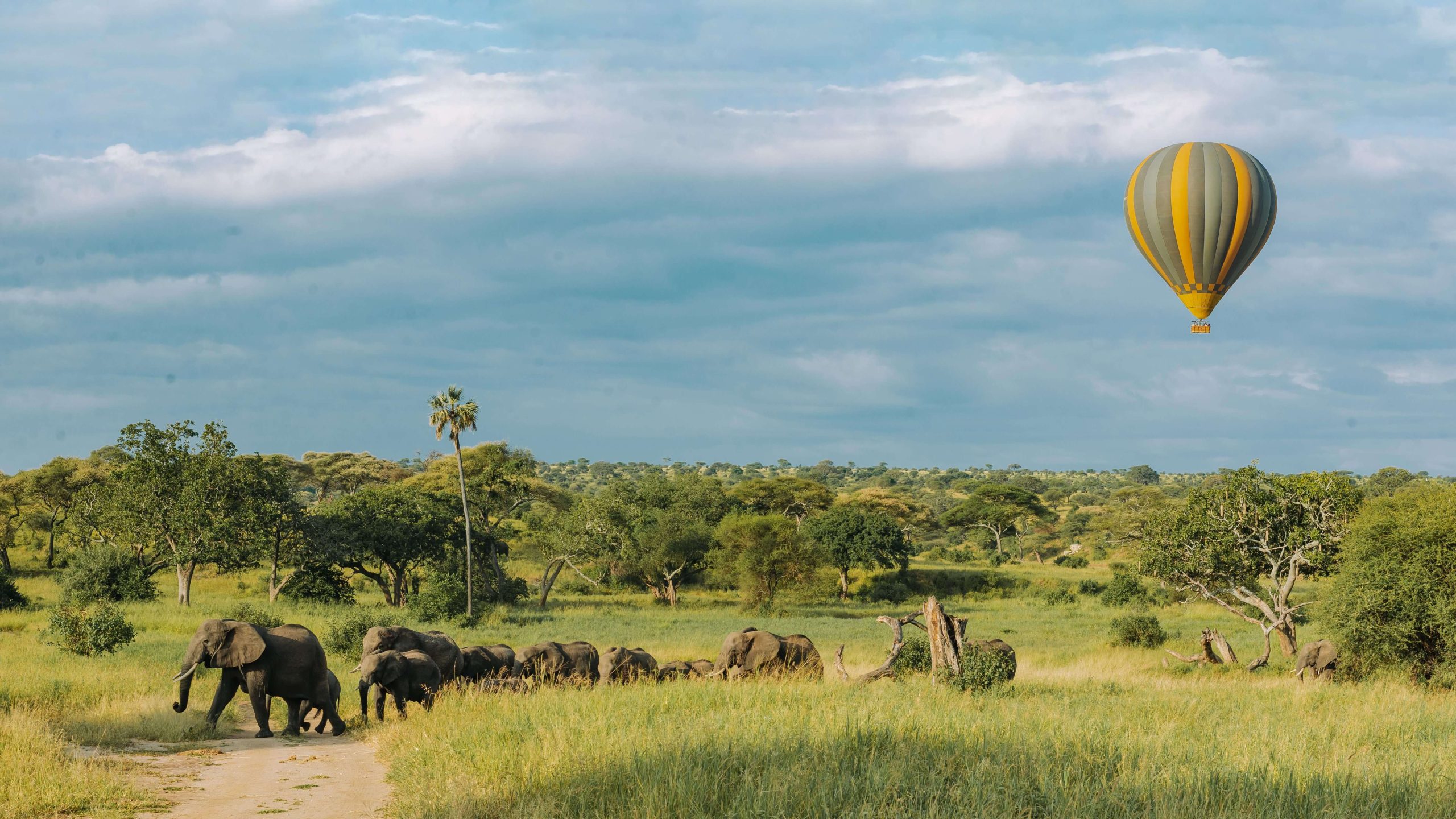

Central Serengeti, anchored by the Seronera River Valley, is the ecosystem's year-round predator engine — the one region where lions, leopards, and cheetahs concentrate on a permanent water source instead of chasing the migration. The best months to see this in action are June through September and December through February, when short grass and low river levels push prey and predators into tight, visible clusters.
Insider Trade-Off: Seronera's permanent water and airstrip access mean it's also the most-visited corner of the park. Expect more vehicles at prime sightings than you'd find in Ndutu or the Mara, and expect lodge rates here to run 15–25% above comparable properties in quieter zones. Guides who work this circuit year-round say the trade is worth it if predator sightings matter more to you than solitude.
Why Central Serengeti Anchors Every Serious Safari Itinerary
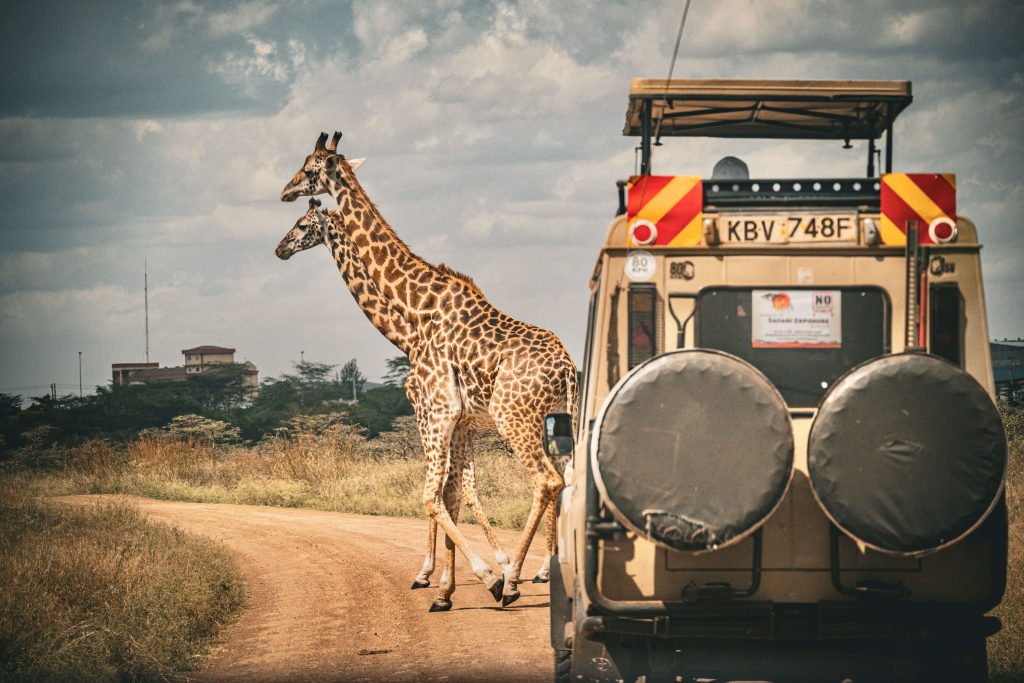
Seronera sits at the geographic and ecological center of the park, which is exactly why it never goes quiet. Camp managers in the valley report that resident prides here have held territory for generations, because the Seronera and Orangi Rivers keep water flowing even in the dry months when other regions empty out. That permanence is the whole story: while the wildebeest migration moves north and south with the rains, Central Serengeti's cats, resident giraffe, hippo pods, and buffalo herds mostly stay put.
Veteran guides also point to the region's kopjes — granite outcrops scattered across the plains — as the single best structural feature for game viewing anywhere in Tanzania. Lions use them for shade and vantage points, leopards drape themselves across the low branches nearby, and the open sightlines mean a single stop can produce three species in one frame.
Who Central Serengeti Is Best For
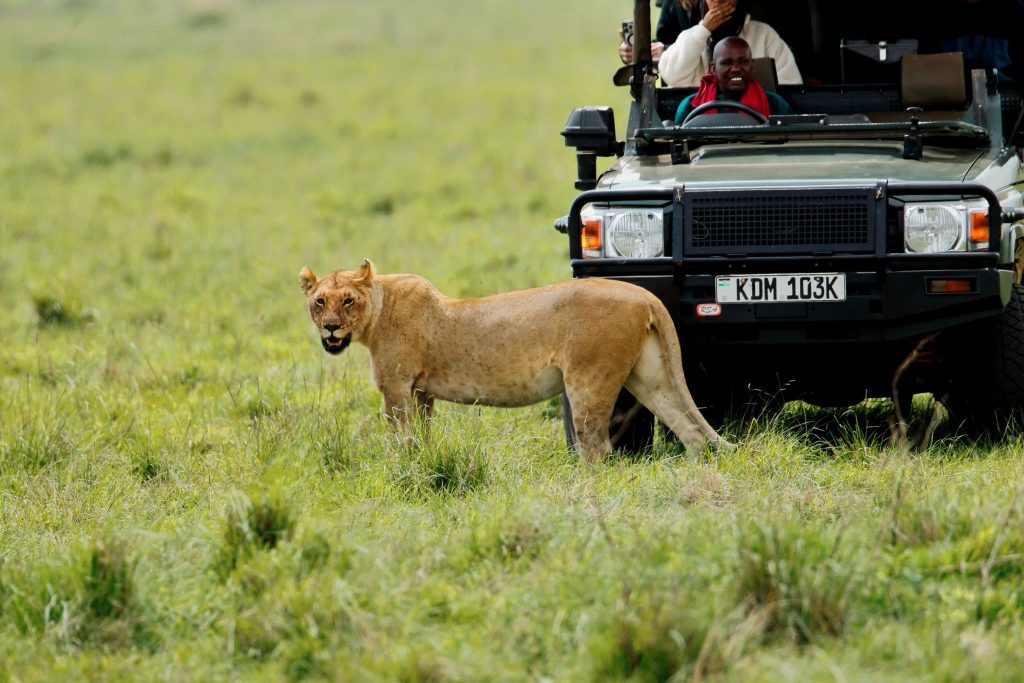
- First-time safari travelers who want the highest statistical odds of seeing lion, leopard, and cheetah in one trip.
- Couples and honeymooners weighing luxury versus mid-range lodges without sacrificing game density.
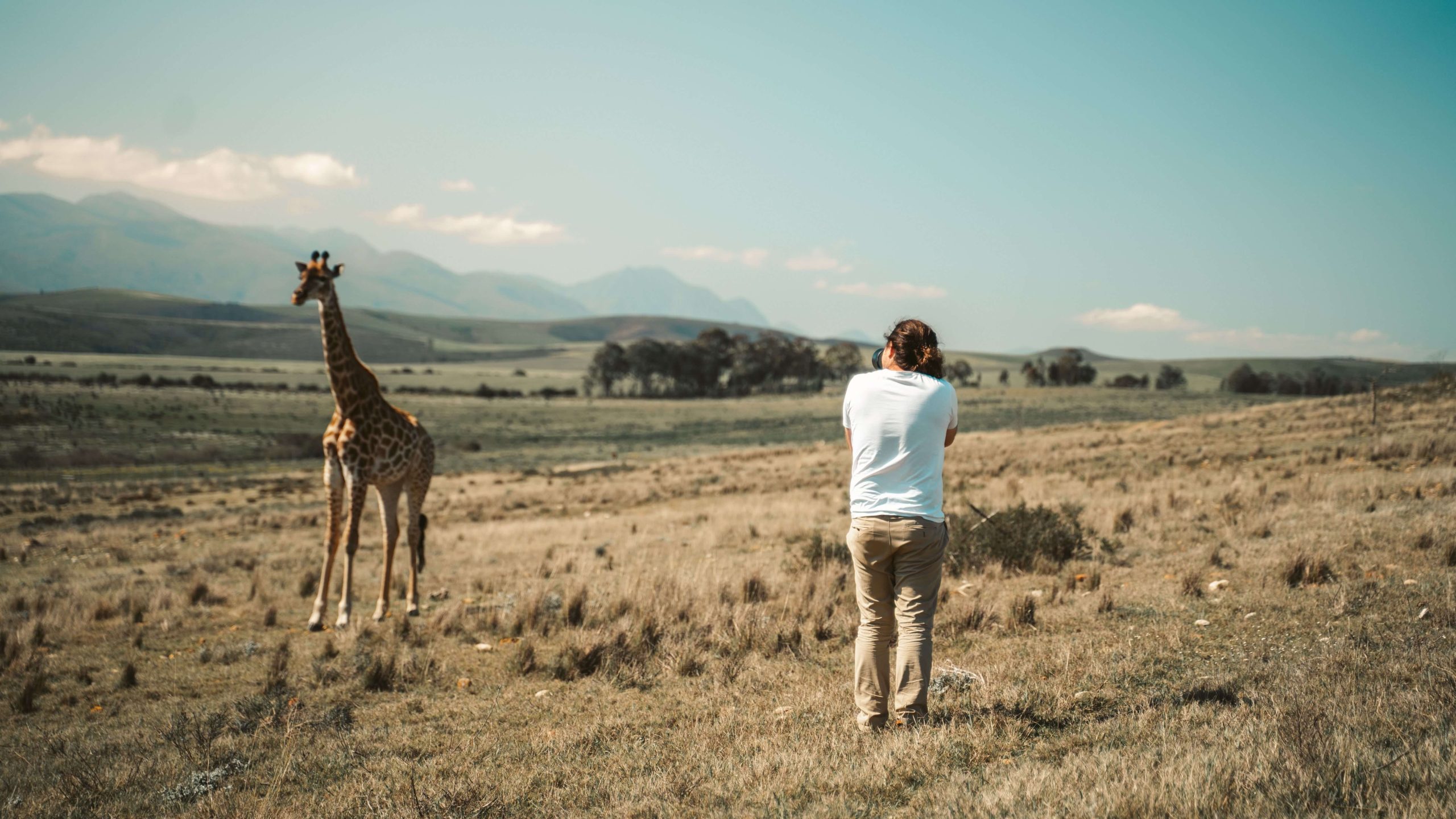
- Photographers chasing predator behavior rather than migration river crossings.
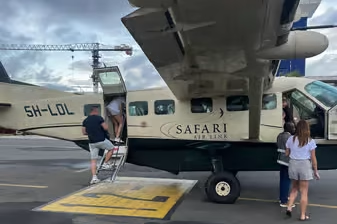
- Anyone building a fly-in circuit, since Seronera Airstrip connects same-day to Arusha, Zanzibar, and the northern parks.
[Check Best Tanzania Safari Packages]
Best Time to Visit Central Serengeti
Central Serengeti rewards visitors in every month, which is unusual for the Serengeti ecosystem. Below is the month-by-month breakdown guides actually use when advising clients.
January – February
Short dry spell between rains. Resident predators are highly active around Seronera's water sources, and newborn impala and gazelle fawns draw consistent predator action. Lodge pricing sits at high season rates; book 6+ months out for December–February travel.
March – May
The long rains arrive, and this is the true low season for Central Serengeti. Roads get muddy, grass grows tall (harder cat visibility), but rates drop 30–40% and camps are near-empty. Photographers who prioritize dramatic skies over sighting volume favor this window.
June – August
Grass shortens, visibility opens up, and dry-season water dependency pushes wildlife straight into the Seronera Valley. This is peak predator-viewing season and peak crowd season simultaneously — book vehicles and balloon slots 4–6 months ahead.
September – October
Arguably the sweet spot. Dry conditions persist, crowds ease slightly compared to July–August, and the northern migration herds have mostly cleared out, leaving the valley to resident game. Guides frequently name this as their preferred window for repeat clients.
November
Short rains begin, grass greens up fast, and some transient wildebeest groups pass back through Central Serengeti en route south. Shoulder-season pricing applies, and afternoon storms make for strong photography light.
December
Green season begins in earnest, calving season for resident antelope kicks off, and holiday-week pricing spikes hard between December 20 and January 3. Book early or avoid that specific ten-day window entirely.
Pro Tip: If predator density is your top priority and crowds are your top concern, target the first two weeks of September. The dry-season concentration is still locked in, but the July–August rush has thinned out.
Where to Stay in Central Serengeti
Seronera's accommodation landscape splits cleanly into three tiers, and the right pick depends on how much you value proximity to the river valley versus quiet distance from the main game-drive circuit.
Luxury Lodges
Four Seasons Safari Lodge Serengeti sits on a low rise with a waterhole directly below the infinity pool, which means guests routinely watch elephant and buffalo activity without leaving the property. Guest reports consistently flag the multi-restaurant dining and spa facilities as a step above anything else in Central Serengeti's luxury bracket. Melia Serengeti Lodge occupies a similarly elevated position with strong Big Five access and a design language built around glass-walled rooms facing the plains; it's frequently booked by travelers who want five-star infrastructure without an ultra-remote feel.
Mid-Range Camps
Kubu Kubu Tented Lodge delivers a genuine tented-camp atmosphere — canvas walls, en-suite bathrooms, raised wooden walkways — at a price point well below the luxury tier, and its location keeps drive times to prime kopjes short. Serengeti Heritage Luxury Tented Camp leans into a more intimate, lower-key layout with fewer total tents, which camp managers say translates into faster, more flexible game-drive scheduling for guests who want to chase specific sightings rather than follow a fixed itinerary.
Authentic & Mobile Tented Camps
Ubuntu Migration Camp relocates seasonally to track wildlife movement, so its Central Serengeti positioning is typically active during the resident-predator months rather than year-round — confirm current placement before booking. Kati Kati Tented Camp runs a classic no-frills mobile-camp model: canvas tents, bucket showers on request, and a deliberately unplugged feel that appeals to travelers who want the valley's game density without lodge-level infrastructure.
| Property | Tier | Best For | Standout Feature |
|---|---|---|---|
| Four Seasons Safari Lodge | Luxury | Full-service comfort seekers | Waterhole-facing infinity pool |
| Melia Serengeti Lodge | Luxury | Design-forward travelers | Glass-walled plains-facing rooms |
| Kubu Kubu Tented Lodge | Mid-Range | Value without sacrificing location | Short drive to central kopjes |
| Serengeti Heritage Luxury Tented Camp | Mid-Range | Flexible, low-density guests | Small camp, fast scheduling |
| Ubuntu Migration Camp | Authentic/Mobile | Seasonal predator chasers | Relocates with wildlife |
| Kati Kati Tented Camp | Authentic/Mobile | Classic bush-camp feel | Minimal infrastructure, maximum immersion |
[Check Best Tanzania Safari Packages]
Signature Experiences & Game Drives
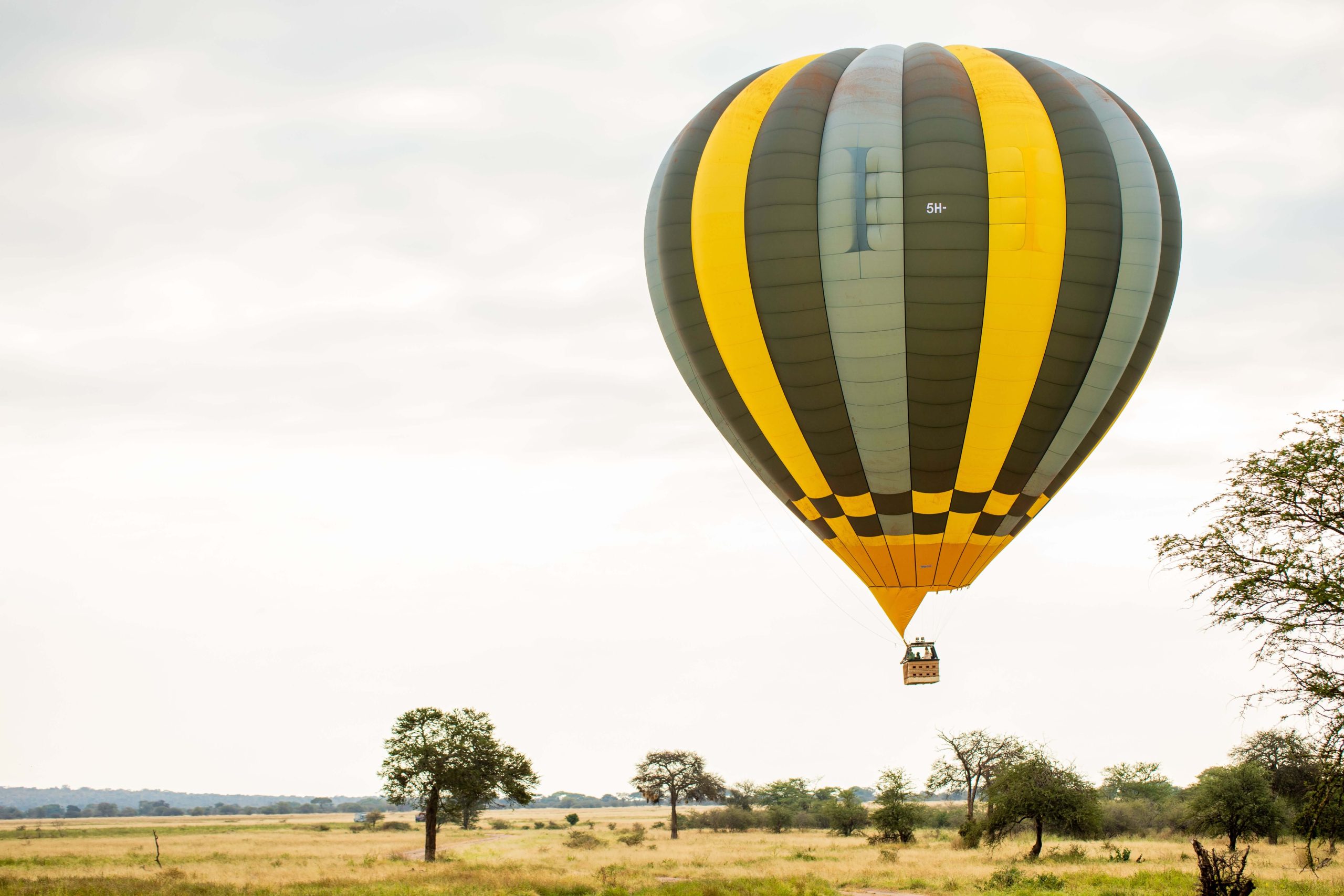
Sunrise Balloon Safari Over the Seronera Valley
Balloon operators collect guests around 4:00 AM, well before first light, because launch has to happen at dawn when wind conditions are calmest. Guides typically drive out 30–45 minutes to the launch site while the crew inflates the balloon, so the pre-dawn pickup isn't wasted time — it's part of watching the operation come together in the dark.
The flight itself runs roughly 60 minutes and climbs to varying altitudes, sometimes just meters above the treetops to spot game, sometimes several hundred meters up for full valley panoramas. Camp managers describe the low passes over kopjes and river lines as the single most requested photo opportunity of a Central Serengeti trip.
Landing is followed by a full champagne bush breakfast, set up by a ground crew at a scenic spot chosen that morning — table linens, hot food, and sparkling wine in the middle of open plains. Because each balloon carries a limited number of passengers and operators run one launch per morning per company, slots for peak months (June–September, December–February) sell out weeks in advance.
Morning Game Drive Circuit
Morning drives depart before or at first light, typically 6:00–6:30 AM, to catch predators still active from overnight hunts. The Seronera River Valley loop is the priority route, since resident lion prides favor the riverine tree cover for shade and the kopjes for early sun. Guides also work the Retima Hippo Pool turnoff on morning routes, both for the hippo concentration and the birdlife that gathers along that stretch of river.
Mid-Day Circuit
Mid-day drives shift toward the open plains east of the river valley, where cheetah sightings are more consistent thanks to the flatter terrain and better visibility for their hunting style. Pace slows during the heat of the day, and many guides use this window for a bush lunch stop combined with slower wildlife-spotting rather than active tracking.
Evening Game Drive Circuit
Evening drives head back toward the kopjes and riverine corridors as temperatures drop and predators become active again. This is consistently the window guides flag for leopard sightings, since they descend from tree cover to hunt as light fades. Drives typically run until the park's official return-to-camp curfew, which varies slightly by concession.
Walking with Rangers and Retima Hippo Pool
While Central Serengeti's core activity is vehicle-based, several camps arrange short guided walks near camp perimeters with armed rangers, focused on tracking, birdlife, and smaller ecosystem detail vehicles move past too quickly to notice. Retima Hippo Pool itself is a standalone stop worth building into any drive — a dense pod of hippos along with strong crocodile and waterbird presence.
Logistics & Getting There
By Air
Seronera Airstrip (SEU) receives multiple scheduled flights daily during peak season, connecting directly to:
- Arusha (ARK) — roughly 60–75 minutes flight time, the most common routing for travelers connecting from Kilimanjaro International.
- Kilimanjaro International Airport (JRO) — via connecting scheduled flights, usually routed through Arusha.
- Zanzibar (ZNZ) — direct or one-stop scheduled flights for travelers combining safari with a beach extension.
- Dar es Salaam (DAR) — scheduled connections available, generally with one intermediate stop.
Bush flights are operated on light aircraft, so baggage is restricted — most carriers cap soft-sided luggage at around 15kg per person, which directly affects how you should pack.
By Road
Most road transfers into Central Serengeti enter through Naabi Hill Gate, the main southeastern entrance point where park fees are processed.
- Naabi Hill Gate to Seronera: approximately 45–60 minutes on the main park road.
- Ngorongoro Crater rim to Seronera via Naabi Hill: approximately 2–3 hours, depending on wildlife stops en route.
- Arusha to Seronera by road: a full-day drive, typically 6–7 hours including the Ngorongoro Conservation Area transit.
Guides generally recommend flying in and driving out (or vice versa) if your itinerary includes both Central Serengeti and the Crater highlands, since it breaks up transit time and adds a scenic game-drive leg instead of a pure transfer day.
[Check Best Tanzania Safari Packages]
What to Pack for Central Serengeti
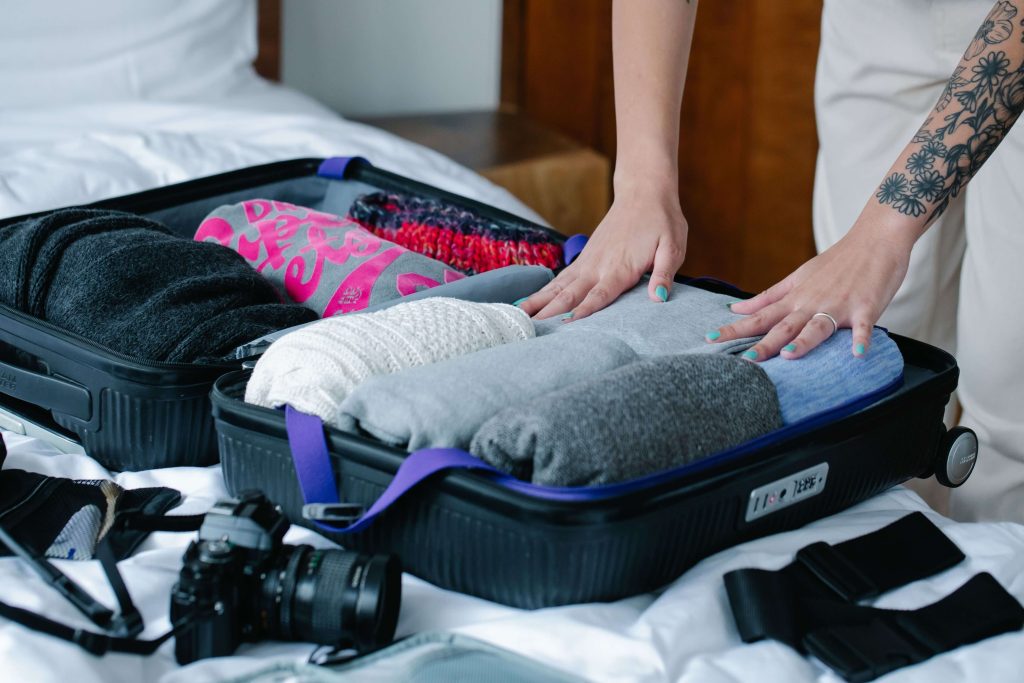
Optics
Kopje-based sightings often happen at real distance — a lion draped across a rock face 200 meters out isn't uncommon. A minimum of 8x42 binoculars is what most guides recommend; the wider field of view at that magnification makes it far easier to track fast-moving cheetah action compared to higher-zoom compact models.
Camera Protection
Central Serengeti's park roads are unpaved and dusty for most of the year, and that dust finds its way into camera bodies and bags fast. A dust-proof or weather-sealed camera bag isn't optional gear here — it's the difference between a functioning shutter mechanism on day five and an expensive repair bill when you get home.
Clothing & Layers
Dawn game drives and balloon launches start in genuinely cold conditions — temperatures can sit near or below 15°C (59°F) before sunrise even in the dry season — before climbing into the high 20s°C (80s°F) by mid-morning. Thermal or fleece layers that pack down small are essential, since you'll be shedding them within an hour of departure.
General Packing Essentials
- Neutral-colored clothing (khaki, olive, tan) to avoid startling wildlife and to stay cooler in direct sun.
- A wide-brim hat and high-SPF sunscreen — equatorial sun at altitude is stronger than it feels.
- A basic first-aid kit with rehydration salts and any personal medication, since pharmacy access is limited once inside the park.
- A headlamp or small flashlight for early balloon pickups and after-dark camp movement.
- Soft-sided duffel bags only, given the 15kg bush-flight baggage restriction.
Frequently Asked Questions
How many days do I need in Central Serengeti? Three nights is the practical minimum for consistent predator sightings across the kopjes and river valley. Guides generally recommend four nights if a balloon safari is on the itinerary, to build in a weather-contingency day.
Is Central Serengeti better than the Serengeti's northern or southern regions? Central Serengeti offers the most reliable year-round predator density thanks to permanent water, while the north and south are stronger picks specifically for migration river crossings or calving season. Most multi-region itineraries combine Central Serengeti with one other zone rather than treating it as an either-or choice.
Do I need a 4x4 vehicle to visit Central Serengeti? Yes — nearly all lodges and camps arrange 4x4 safari vehicles as standard, since park roads range from graded dirt to genuinely rough tracks depending on rainfall. Self-drive rental sedans are not viable inside the park.