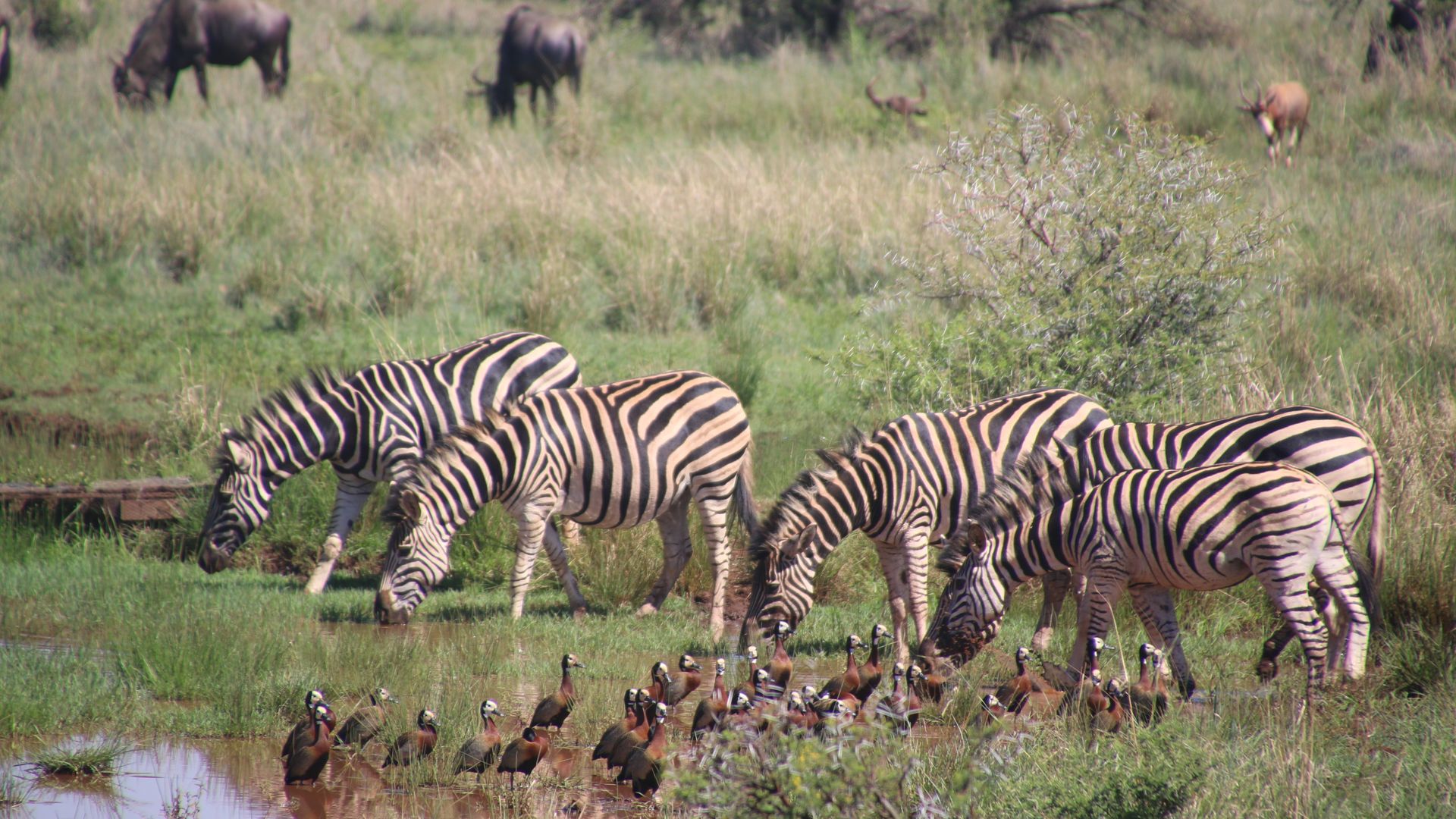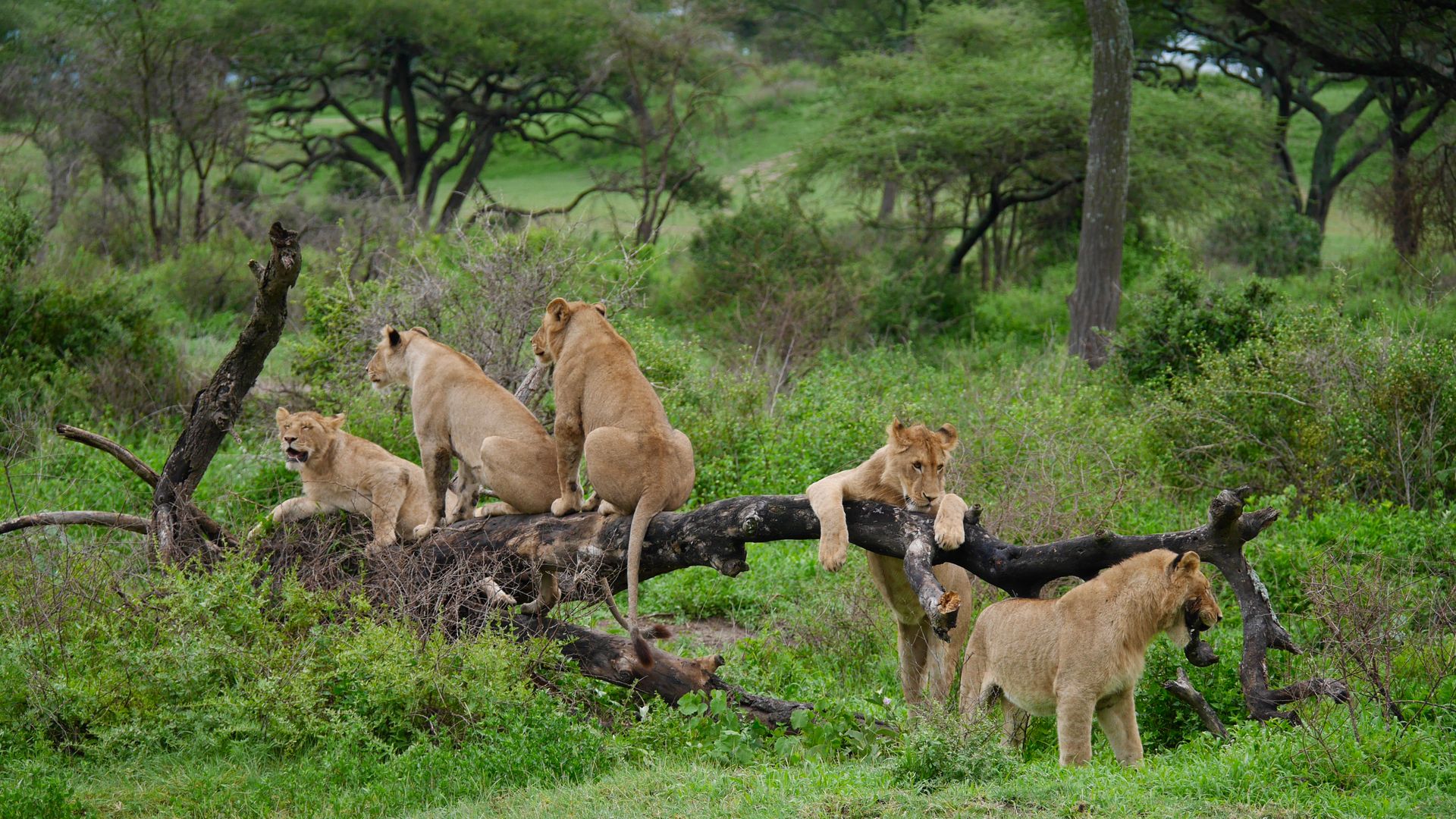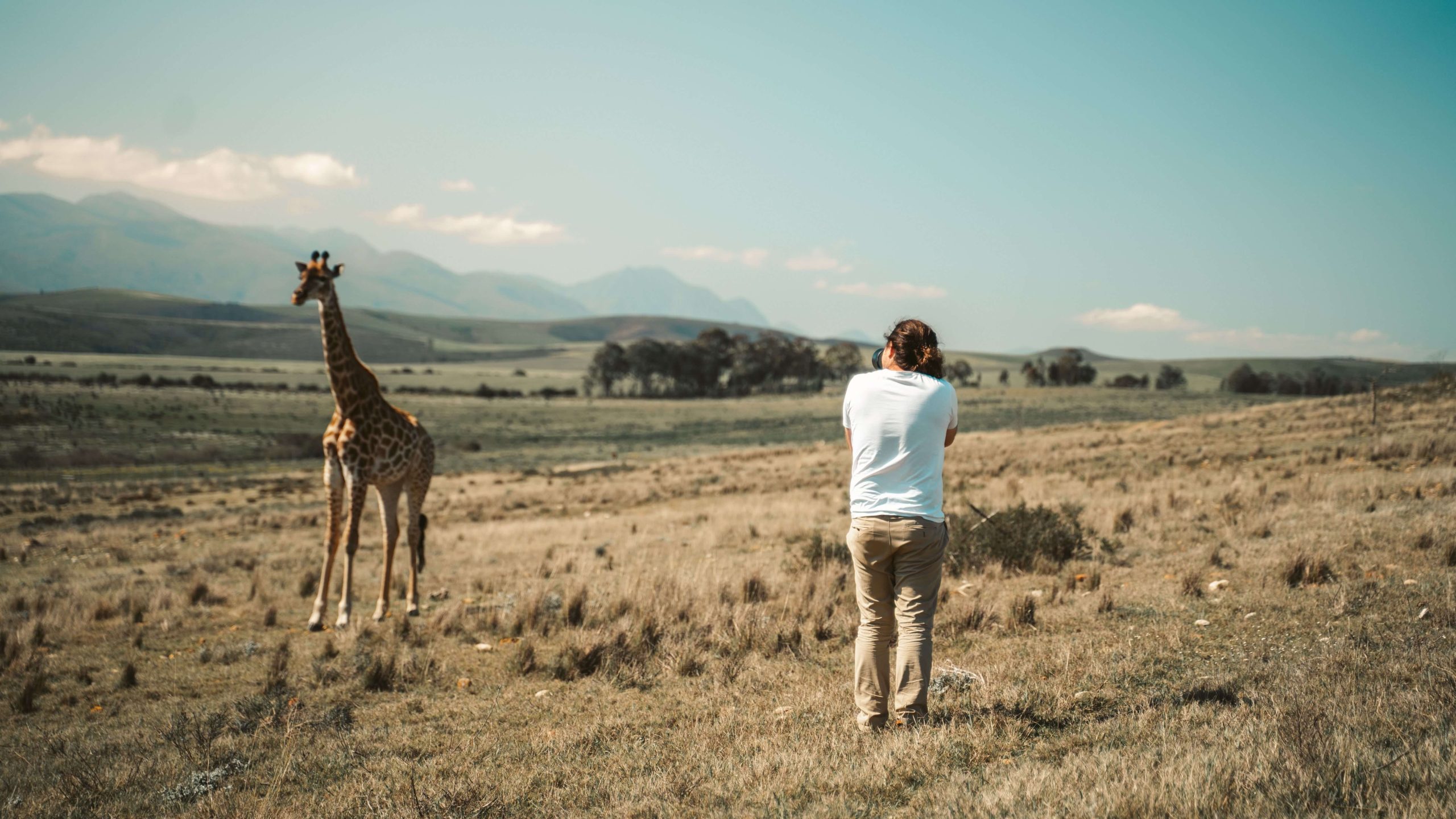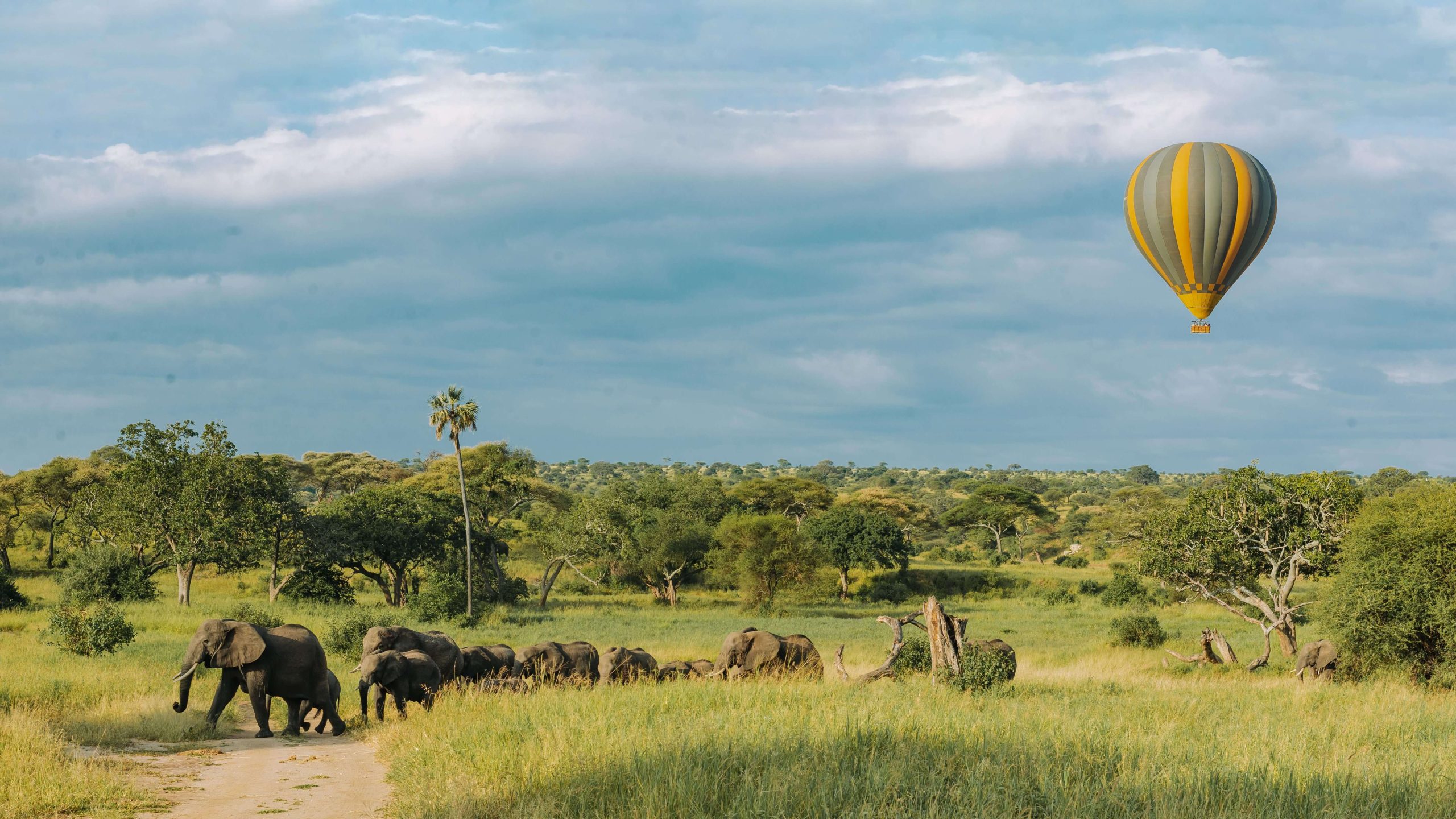

Northern Tanzania holds over 1,000 recorded bird species across four connected ecosystems, and the Serengeti-Ngorongoro-Manyara-Tarangire circuit alone accounts for more than 550 of them. The best window for serious listing runs November through April, when resident populations overlap with Eurasian migrants and the short rains turn the savanna green enough to draw dense concentrations of raptors, waders, and endemics into a handful of predictable, drivable zones.
Insider Trade-Off: The green season delivers the birding, but it comes at a cost — Lake Manyara's floor roads can turn to soup after a heavy afternoon storm, camp rates climb roughly 20-30% above the June-October dry season baseline, and the most photogenic flamingo concentrations on Lake Natron shift year to year based on soda-lake chemistry, so no operator can promise them on a fixed date.
Why This Circuit, Not Just One Park
Most birding itineraries in East Africa fixate on a single reserve. Northern Tanzania rewards a different approach because the four core parks sit within a half-day's drive of each other and cover entirely different habitat types — alkaline lake, crater floor, highland forest, riverine swamp, and open savanna kopjes. A birder who only visits the Serengeti plains will miss the lesser flamingo spectacle at Natron; a birder who only does Ngorongoro will never see a Fischer's Lovebird, which prefers the acacia scrub further west.
Camp managers in Seronera report that repeat guests increasingly request birding-specific game drives with a dedicated spotter rather than a standard Big Five circuit, and several lodges now train guides specifically for this — worth asking about when booking.
[View Birdwatching Package]
Best Time to Visit: Month-by-Month Breakdown
November – Early Migrant Arrival
Eurasian migrants begin arriving on the tail end of the short rains. Expect European Rollers, Eurasian Bee-eaters, and the first flush of migratory waders at Lake Manyara's shoreline. Crowds are light, rates are still shoulder-season, and the grass hasn't yet grown tall enough to obscure kopje-dwelling species.
December – Peak Migrant Density
By mid-December most of the Palearctic migrants have settled in. This is prime time for Amur Falcons moving through in loose flocks and steady numbers of White Storks on the plains. Holiday-period lodge pricing spikes hard around Christmas week specifically, so booking six months out is standard practice among specialist operators.
January – Green Season Sweet Spot
Grass is green but not yet overgrown, visibility across the Serengeti's short-grass plains is still excellent, and the calving season (roughly late January into February) draws enormous numbers of raptors — Tawny Eagles, Bateleurs, and White-backed Vultures — that key in on newborn wildebeest as an opportunistic food source.
February – Raptor Concentration Peak
Veteran guides recommend February specifically for raptor listers. The calving concentration is at its densest, and vulture and eagle numbers around the plains reach their yearly high. Lake Ndutu's seasonal pools also draw wading species not present later in the dry season.
March – Transitional Window
Rains intensify toward the "long rains," roads soften, and some camps in the western corridor begin closing temporary satellite sites. Birding remains strong, but logistics get harder — this is a month for flexible travelers rather than tight itineraries.
April – Late Green Season, Lowest Crowds
The heaviest rains typically fall in April, which keeps casual tourist volume at its yearly low. Serious birders who tolerate wet-weather driving are rewarded with thin crowds at prime hides and the last of the Palearctic migrants before they head north.
May – October: Dry Season Baseline
Migrants have departed, but resident specials remain reliably visible, water sources concentrate wildlife (including birds of prey) around permanent rivers and swamps, and road conditions are at their most reliable. This is the season for travelers who prioritize comfort and predictable access over migrant diversity.
Pro Tip: Book any November–February stay at Ndutu-area camps at least four to six months ahead. Specialist birding guides are a limited resource across the circuit, and the camps with the strongest raptor-spotting reputations sell out those specific staff members before the rooms themselves sell out.
Where to Stay: Birder-Focused Accommodation
Luxury Tier
Gibb's Farm, tucked into the Ngorongoro Highlands forest edge, puts guests within walking distance of Hartlaub's Turaco and a resident population of highland raptors without ever boarding a vehicle. The property's organic farm grounds also draw sunbirds and weavers directly to the breakfast terrace, which camp staff treat as a standing morning feature rather than a novelty. Guests consistently cite the forest-edge rooms as the deciding factor over crater-floor-facing options, since the birding density is actually higher in the trees than on the open crater itself.
Lake Manyara Serena Safari Lodge sits directly above the escarpment overlooking the lake, which means flamingo and pelican viewing is possible from the room balcony on clear mornings without a single game drive. Front-desk staff report that this vantage point is the single most requested room feature among repeat guests booking specifically for birds.
Mid-Range Tier
Rivertrees Country Inn, positioned near Arusha along the Usa River, functions as both a comfortable entry-point base and a legitimate birding location in its own right — the riverine forest on the property hosts turacos, trogons, and a strong resident kingfisher population. It's the logical first or last night of a circuit itinerary, letting jet-lagged arrivals ease into East African birding before the long drives begin.
Nimali Tarangire, close to the Tarangire swamp system, gives direct access to the park's dry-season water concentrations, where raptors and waterbirds cluster in numbers that dry-country parks elsewhere in the region simply can't match.
Authentic / Tented Camps
Swala Camp, deep in Tarangire's baobab country, runs walking-adjacent birding activities that vehicle-only camps can't offer, letting guests get low-angle photography on ground-dwelling species like hornbills and francolins. Guides here are frequently praised for identifying calls before the bird itself is visible, a skill repeat guests specifically request by name.
Arusha Coffee Lodge serves less as a birding destination itself and more as the essential logistics anchor — it sits minutes from Kilimanjaro International Airport and functions as the first-night landing pad for nearly every circuit itinerary heading into the parks.
| Camp | Tier | Standout Bird Feature | Best For |
|---|---|---|---|
| Gibb's Farm | Luxury | Hartlaub's Turaco, highland raptors | Forest-edge, walk-out birding |
| Lake Manyara Serena Safari Lodge | Luxury | Flamingo & pelican lake views | Room-balcony viewing |
| Rivertrees Country Inn | Mid-Range | Riverine turacos, kingfishers | Arrival/departure base |
| Nimali Tarangire | Mid-Range | Swamp-edge raptors & waterbirds | Dry-season concentrations |
| Swala Camp | Tented/Authentic | Ground-dwelling species, guided walks | Photography-focused listers |
| Arusha Coffee Lodge | Mid-Range | N/A (logistics base) | Airport-adjacent first/last night |
[View Birdwatching Package]
Signature Experiences & Game Drives
Balloon Safari Over the Serengeti Plains
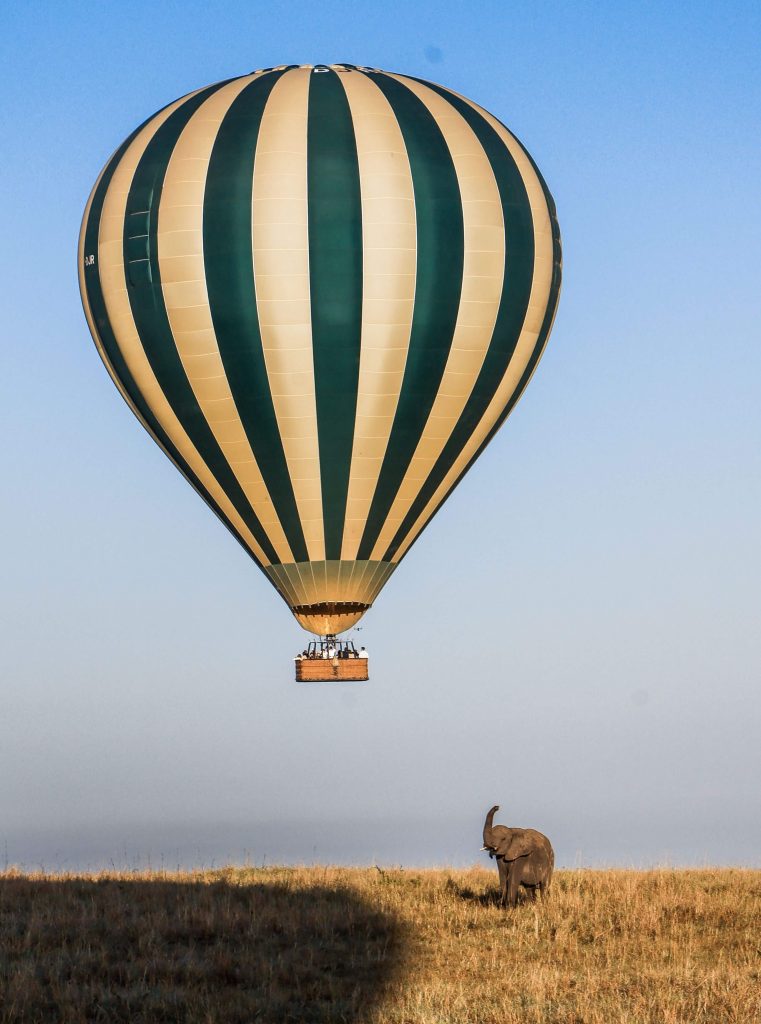
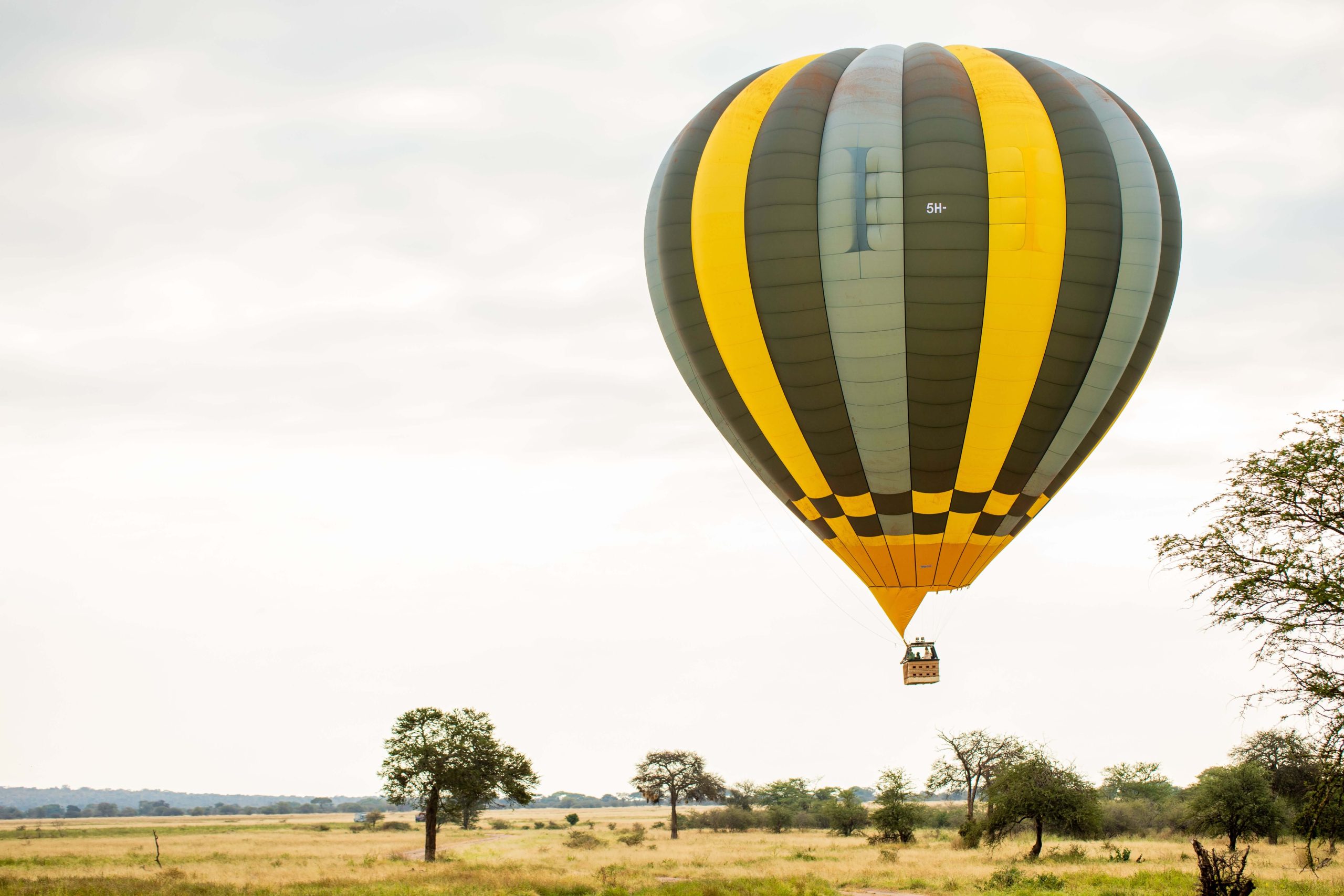
Guests are collected from camp at roughly 4:00 AM, well before sunrise, since balloon operators need pre-dawn calm air to inflate and launch safely. The flight itself runs about 45 minutes to an hour, cruising at altitudes that vary from just above the treetops to several hundred feet, depending entirely on wind conditions and what the pilot spots below. This altitude variability is actually the appeal for birders — low passes over riverine corridors put raptors and ground birds in clear photographic range that a vehicle could never achieve. Landing is followed immediately by a champagne bush breakfast, set up in the field by a ground crew that tracks the balloon's flight path in a support vehicle. Because each flight is capped at a fixed number of seats and departs from a limited number of launch sites, booking urgency is real — slots for peak December through February dates routinely sell out eight to ten weeks in advance.
Structured Game Drives for Birders
Morning Circuit (6:00 AM – 10:00 AM): Departs at first light to catch raptors on their morning thermals and ground-dwelling species before the day's heat pushes them into cover. This window is when guides report the highest hit rate for kopje specialists, since the rock formations are still cool and birds perch openly to warm themselves.
Mid-Day Circuit (11:00 AM – 2:00 PM): Focused less on volume and more on water-associated species, since heat concentrates activity around permanent pools and rivers. This is the window most guides steer toward Lake Ndutu's seasonal pans or Tarangire's swamp edges rather than the open plains.
Evening Circuit (4:00 PM – 6:30 PM): The second activity peak of the day, as raptors resume hunting and ground species re-emerge from midday shade. Guides typically end the circuit near a known roosting area, timed so the vehicle is positioned for the golden-hour light that photography-focused clients specifically request.
[Check Best Tanzania Safari Packages]
Lake Natron & Lake Manyara: The Flamingo Circuit
Lesser flamingos gather on Natron's alkaline flats in numbers that can run into the hundreds of thousands during favorable years, drawn by the algae that thrives in the lake's caustic chemistry — the same chemistry that makes the lake essentially the only regional breeding site for the species. Lake Manyara, by contrast, offers a more forest-fringed and accessible flamingo and pelican viewing experience, with the added benefit of tree-climbing lions and a dense mahogany forest that hosts an entirely separate bird community from the lakeshore itself.
Species Spotlight: What Makes This Circuit Different
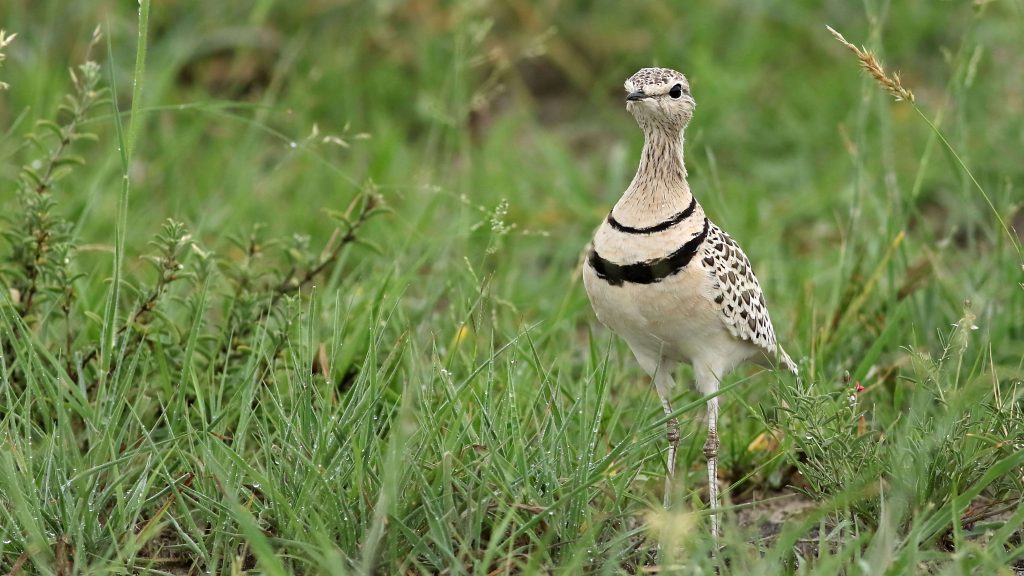
Two Serengeti-area endemics anchor most serious birders' lists here. The Grey-breasted Spurfowl is found almost nowhere else on Earth outside this specific ecosystem, favoring dry acacia scrub in the western and central Serengeti. The Fischer's Lovebird, small and vividly colored, clusters around baobab country and is frequently spotted near Lake Manyara's northern woodland edge. Neither species requires specialist trekking — both are drive-accessible, which is a significant part of why this circuit draws repeat listers rather than one-time visitors.
Highland forest specialists cluster around Ngorongoro's crater rim rather than the crater floor itself. Hartlaub's Turaco, with its unmistakable crimson flight feathers, favors the montane forest canopy, while a strong resident raptor population — augmented seasonally by migrants — works the highland thermals above the crater walls.
[View Birdwatching Package]
Logistics & Getting There
By Air
- JRO (Kilimanjaro International Airport): The primary international gateway; most circuit itineraries begin and end here.
- ARK (Arusha Airport): Used for regional and domestic connections closer to town, often paired with a same-day charter onward.
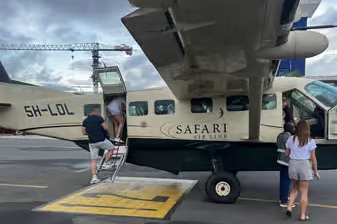
- Seronera Airstrip: Scheduled bush flights connect JRO and Arusha directly into the central Serengeti, cutting a six-to-seven-hour road transfer down to under an hour of flying.
- ZNZ (Zanzibar): Relevant for travelers combining the birding circuit with a coastal extension; several scheduled flights connect ZNZ to JRO/ARK.
- DAR (Dar es Salaam): The main hub for travelers arriving from outside East Africa before a domestic connection north.
By Road
- Arusha to Lake Manyara National Park gate: approximately 1.5 to 2 hours.
- Lake Manyara to Ngorongoro Crater rim: approximately 1.5 hours, climbing steadily through highland forest.
- Ngorongoro to Naabi Hill Gate (Serengeti's southeastern entry point): approximately 2 to 2.5 hours across the crater highlands and into the plains.
- Naabi Hill to Seronera (central Serengeti): approximately 1.5 hours further into the park's core birding zones.
- Arusha to Tarangire National Park gate: approximately 1.5 to 2 hours, making it the easiest half-day add-on from the Arusha base.
[Check Best Tanzania Safari Packages]
What to Pack: Birder-Specific Gear
Optics matter more here than almost any other gear category. Kopje-dwelling species and distant raptors on crater thermals both demand strong magnification and a wide field of view — most veteran guides recommend 8x42 or 10x42 binoculars as the practical sweet spot between magnification and image stability from a moving vehicle.
[SAFARI BINOCULAR RECOMMENDATION]
Camera protection is non-negotiable on the circuit's dustier stretches, particularly the Naabi Hill to Seronera road during dry months. A dedicated dust-proof, weather-sealed camera bag protects long telephoto lenses from the fine, talc-like dust that road travel kicks up throughout the day.
Thermal layers are essential for the pre-dawn balloon pickup and the early morning game drive circuit, when open-vehicle wind chill at altitude can catch first-time visitors off guard even in a country most people associate with heat. A packable fleece or light down layer solves this without adding meaningful luggage weight.
Telephoto reach separates casual photographers from serious species-listers. A 400mm+ lens (or a superzoom bridge camera with equivalent reach) is what most photography-focused guests end up wishing they'd packed, particularly for distant raptor and waterbird shots across open plains and lake shorelines.
Read more details about "What to Pack for a Serengeti Safari: Essential Gear & Clothing".
Frequently Asked Questions
What is the single best month for birdwatching in Northern Tanzania? February is generally considered the strongest single month, combining peak Eurasian migrant presence with the highest raptor concentrations tied to the wildebeest calving season. January and December are close runners-up for travelers who want slightly lighter holiday-period pricing.
Do I need a specialist birding guide, or is a standard safari guide enough? A standard guide can spot the obvious species, but a dedicated birding specialist identifies calls, tracks seasonal movement patterns, and knows specific stakeout locations for endemics like the Grey-breasted Spurfowl. Most repeat birders specifically request or pay a premium for this specialization.
Is Lake Natron or Lake Manyara better for flamingo photography? Lake Natron typically hosts larger flamingo numbers due to its unique alkaline breeding conditions, but Lake Manyara offers easier access, forest-fringed scenery, and a broader range of accompanying bird species in a single location.