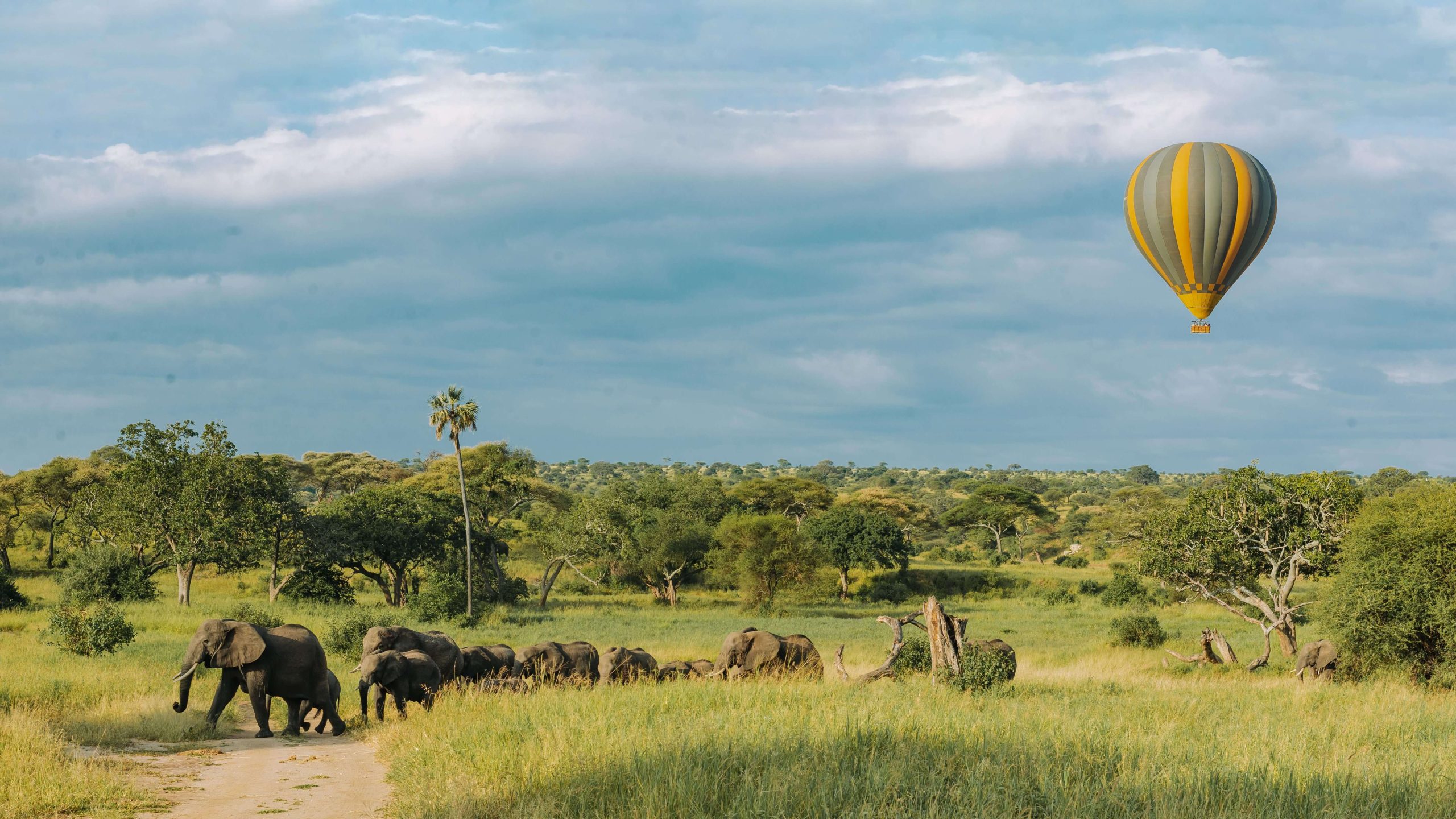

The single most important first-time Serengeti safari tip is this: book your region based on the migration calendar month, not the season name, because "dry season" and "wet season" mean nothing if the herds are 200 kilometers from your camp. Every other mistake — permits, packing, tipping, flights — is fixable on the ground. A misbooked region is not.
Veteran Tanzanian guides working out of Seronera and Kogatende see this constantly: a family books a gorgeous lodge in the Southern Serengeti in August, thrilled about the low rates, only to learn on arrival that the wildebeest crossed the Mara River weeks earlier and are now 150 km north, deep in Kenya's Maasai Mara ecosystem. The lodge is lovely. The game drives are quiet. Nobody warned them.
Pro Tip: Book your accommodation region 9–12 months out based on where the Great Migration herds statistically are during your travel month — not where your travel agent's preferred lodge happens to sit. A one-page migration map costs nothing and saves thousands.
Understanding the Migration Calendar (Before You Book Anything)
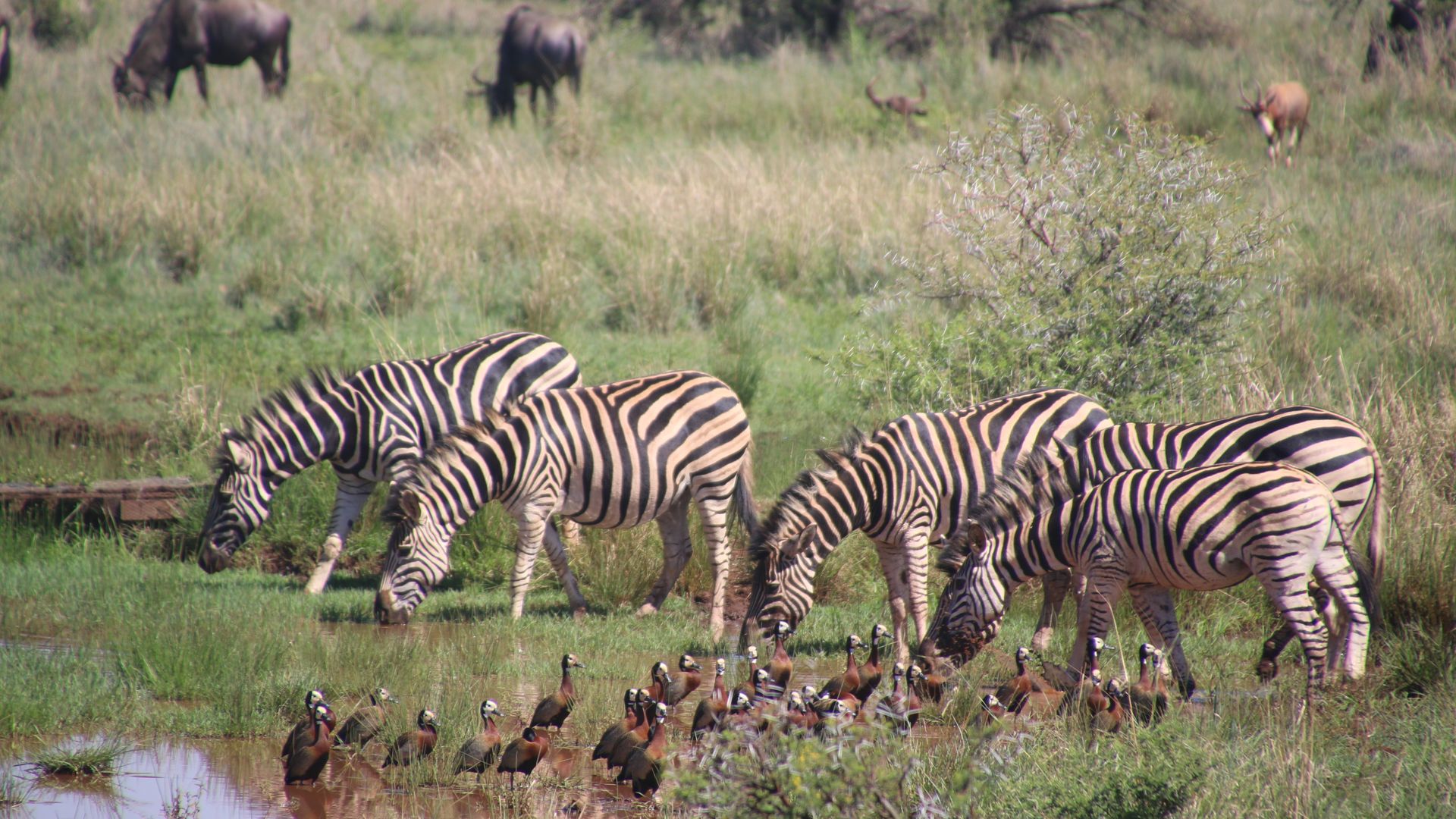
The Great Migration isn't a single event — it's a rolling, weather-driven loop of roughly 1.5 million wildebeest and 250,000 zebra circling the Serengeti-Mara ecosystem year-round. Field reports from camp managers across the ecosystem consistently show the same seasonal pattern, though exact timing shifts with rainfall by two to four weeks each year.
| Month | Herd Location | Best Base Camp Region | Signature Event |
|---|---|---|---|
| Jan–Mar | Southern Serengeti, Ndutu | Ndutu / Southern plains | Calving season (500,000 calves) |
| Apr–May | Central Serengeti, moving west | Seronera / Western Corridor | Long rains, fewer crowds |
| Jun–Jul | Western Corridor | Grumeti area | Grumeti River crossings |
| Aug–Oct | Northern Serengeti | Kogatende / Lamai Wedge | Mara River crossings |
| Nov–Dec | Moving south again | Central Serengeti | Short rains, herds heading to Ndutu |
Guest feedback collected across booking platforms shows the single biggest source of first-safari disappointment isn't service or weather — it's regional mismatch with the migration.
[Check Best Tanzania Safari Packages]
The August Mistake, In Detail
Here's the trap in plain terms. August through October, the drama is almost entirely in the north, around the Mara River near Kogatende airstrip (KTE). Southern camps in that window can still deliver excellent resident-wildlife viewing — lions, leopards, elephants — but not river crossings.
If river crossings are the goal, the north is non-negotiable in August. If calving season and predator action are the goal, January through March in Ndutu is the move instead.
The TANAPA 24-Hour Permit Rule Nobody Explains Clearly
Tanzania National Parks (TANAPA) issues Serengeti entry permits on a strict 24-hour clock, not a calendar-day clock. If you enter Naabi Hill Gate at 2:00 PM on Tuesday, your permit expires at 2:00 PM on Wednesday — down to the minute.
Exceed that window by even 30 minutes and the gate system flags an automatic extra day's conservation fee, charged per person, no grace period, no negotiation. This catches self-drive travelers and budget group tours far more often than fly-in guests, because road transfers are unpredictable.
- Standard adult non-resident park fee: roughly $82/day (2024–2026 range; confirm current TANAPA rate before travel)
- Fee is charged per 24-hour block from your gate entry timestamp, not midnight-to-midnight
- Overstay of any length up to 24 hours triggers a full additional day's charge
- Your driver-guide tracks this on a paper permit slip — ask to see your exact entry time stamped at the gate
Pro Tip: Ask your operator to build in a buffer so your Naabi Hill Gate exit time sits comfortably before your entry timestamp deadline. A 30-minute overstay from bad road traffic can cost an entire family several hundred dollars in surprise fees.
Road Transfer vs. Bush Flight: The "African Massage" Reality Check
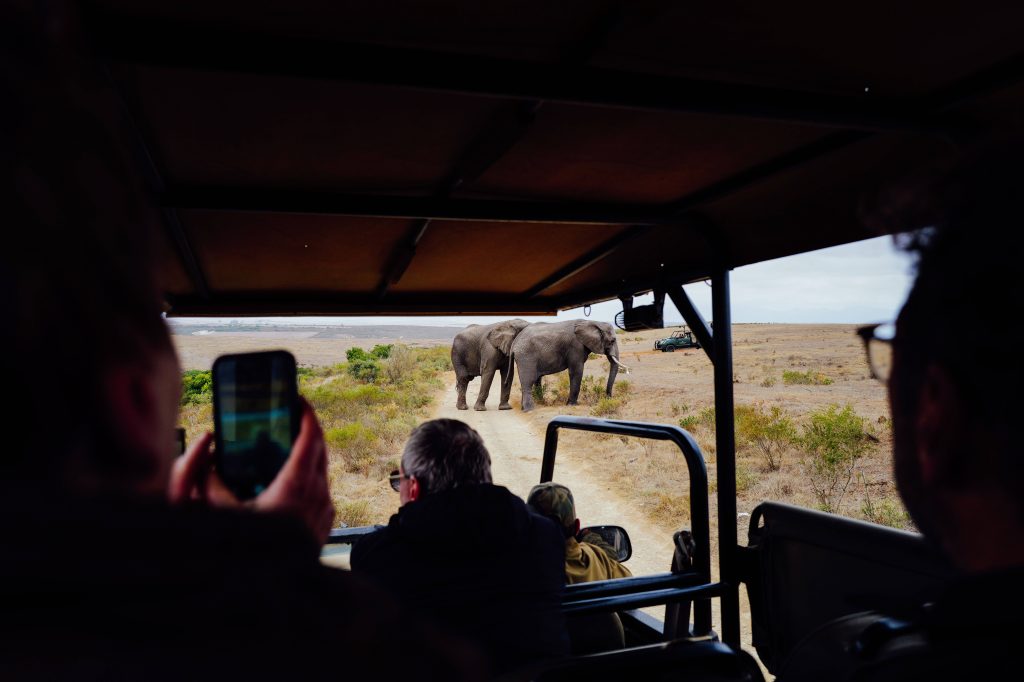
The drive from Ngorongoro Crater to Naabi Hill Gate is unpaved, corrugated, and dusty for most of its length. Guides affectionately call the bone-rattling ride the "African Massage" — roughly 3 to 4 hours of washboard road, more if it's rained recently and the clay turns slick.
It's not dangerous with an experienced driver. It is, however, genuinely exhausting, especially for older travelers, anyone prone to motion sickness, or families with young kids.
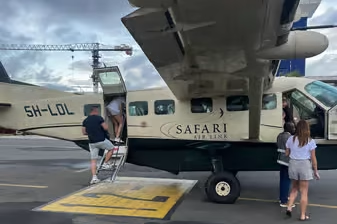
The alternative is a scheduled or charter bush flight. Seronera's airstrip code is SEU; the northern hub near the Mara River is KTE (Kogatende). A flight from Arusha to Seronera runs roughly 45–60 minutes versus a 6+ hour road transfer covering the same ground.
| Factor | Road Transfer (4x4) | Bush Flight |
|---|---|---|
| Time, Arusha to Seronera area | 6–8 hours | 45–75 minutes |
| Cost | Lower (often bundled in tour price) | Higher, $150–$400+ per leg |
| Wildlife viewing en route | Yes — often excellent | None |
| Physical comfort | Bumpy, dusty, tiring | Smooth, scenic |
| Luggage limits | Standard | Strict 15 kg soft-sided only |
| Best for | Budget travelers, photographers wanting road sightings | Time-limited trips, families, older travelers, multi-region hops |
Neither option is objectively "better." Overlanding gives you unscripted wildlife sightings between parks that fly-in guests never see. Flying gives you back days of your trip.
Packing Mistakes That Actually Cost Money or Comfort
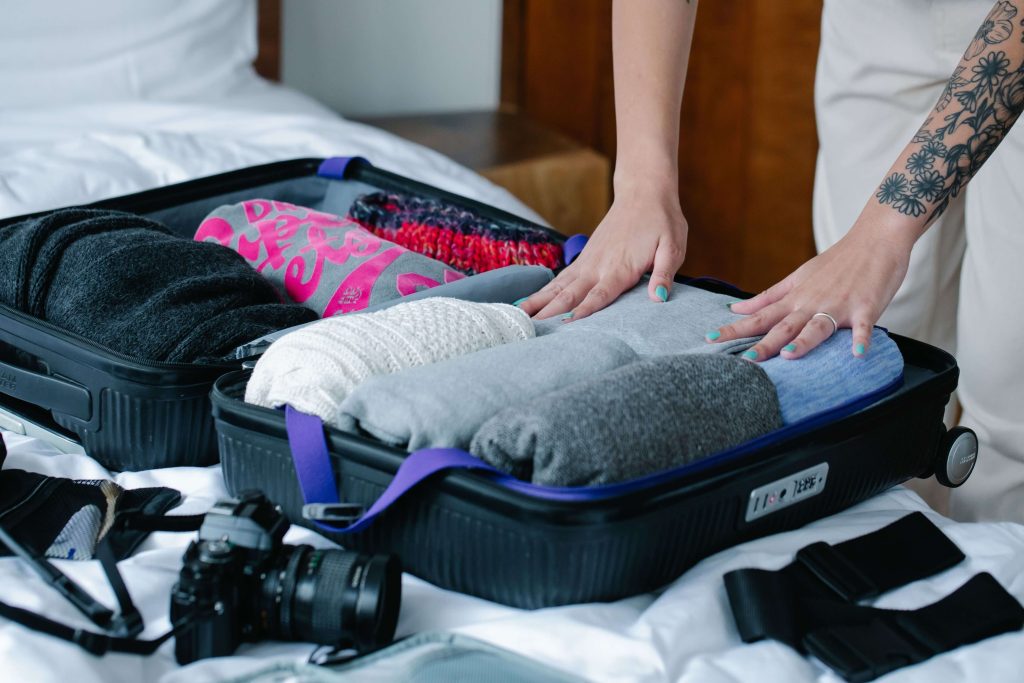
The 15 kg Duffel Rule
Regional light aircraft operators (Coastal Aviation, Auric Air, Air Excel, and similar carriers) enforce a strict 15 kg (33 lb) per-person luggage limit on Serengeti bush flights — checked bag plus carry-on combined, in most cases.
Hard-sided suitcases are frequently refused outright because they don't compress into the aircraft's small cargo hold. A soft-sided duffel bag is not a suggestion; it's a functional requirement.
➡️ For a full gear checklist and bag recommendations, read our complete Serengeti Safari Packing List.
- Use a collapsible, soft-sided duffel — no internal or external rigid frames
- Weigh your packed bag at home; airstrip scales don't negotiate
- Pack a separate small daypack for camera gear that stays with you in the cabin
- Overflow bags can sometimes be stored at your Arusha hotel and picked up post-safari — ask your operator in advance
The Dark Clothing Trap
Tsetse flies, common in wooded and riverine parts of the Serengeti ecosystem, are strongly attracted to dark blue and black colors — a documented behavioral trait guides watch for constantly. Their bite is sharp, sudden, and genuinely painful, though generally not medically dangerous for most travelers on standard safari routes.
- Pack khaki, tan, olive, and light neutral tones
- Avoid dark blue and black entirely, including hats and camera straps
- Skip bright white too — it shows dust fast and can spook skittish game
- Long sleeves and lightweight long pants offer real protection, even in heat
Tipping Protocol: What Guides Actually Expect
Tipping isn't optional in Tanzanian safari culture — it's a substantial, expected part of driver-guide and camp staff income. Industry consensus among tour operators and repeat travelers puts driver-guide tipping at $15–$20 per day, per traveling party (not per person, though larger groups often tip toward the higher end).
- Driver-guide: $15–$20 USD/day from the group
- Camp/lodge general staff: $10–$15 USD/day per guest, often via a communal tip box
- Butler or private staff at luxury camps: additional $5–$10 USD/day, if applicable
- Always use crisp bills printed 2013 or later — older US bill designs are frequently refused by banks and exchange bureaus in Tanzania
- Bring small denominations ($1, $5, $10, $20) since change is hard to source in remote camps
Pro Tip: Withdraw or exchange your tipping cash in Arusha before heading into the parks. There's no ATM at Naabi Hill Gate, and camps rarely handle currency exchange.
A Quick First-Timer Checklist
- Match your camp region to the migration month, not the marketing photos
- Confirm your park entry timestamp at Naabi Hill Gate and plan your exit with a buffer
- Choose road transfer or bush flight based on time budget and tolerance for bumpy roads
- Pack a soft-sided duffel under 15 kg for any flight-inclusive itinerary
- Leave dark blue and black clothing at home
- Carry post-2013 USD bills in small denominations for tipping
- Book 9–12 months ahead for peak migration months (July–October, January–March)
Frequently Asked Questions
How many days do I need for a first Serengeti safari? Most field experts recommend a minimum of 3 full days inside the park to allow for at least one full-day game drive and buffer for slow wildlife mornings. Combining it with Ngorongoro Crater or Tarangire typically pushes a well-paced itinerary to 5–7 days total.
Is the Serengeti safe for first-time travelers, including families with kids? Yes — reputable operators run thousands of family and first-time trips safely each year, with vehicles, guides, and camps built around wildlife-viewing protocols. The real risks are logistical (missed permits, overpacking) rather than safety-related, provided you stay in the vehicle during game drives as instructed.
Do I need a visa before arriving in Tanzania for a Serengeti safari? Most nationalities can obtain a Tanzania e-Visa online in advance or a visa on arrival at Kilimanjaro International Airport (JRO), though online pre-approval avoids arrival-line delays. Requirements shift periodically, so confirm current rules on Tanzania's official immigration site 60–90 days before departure.