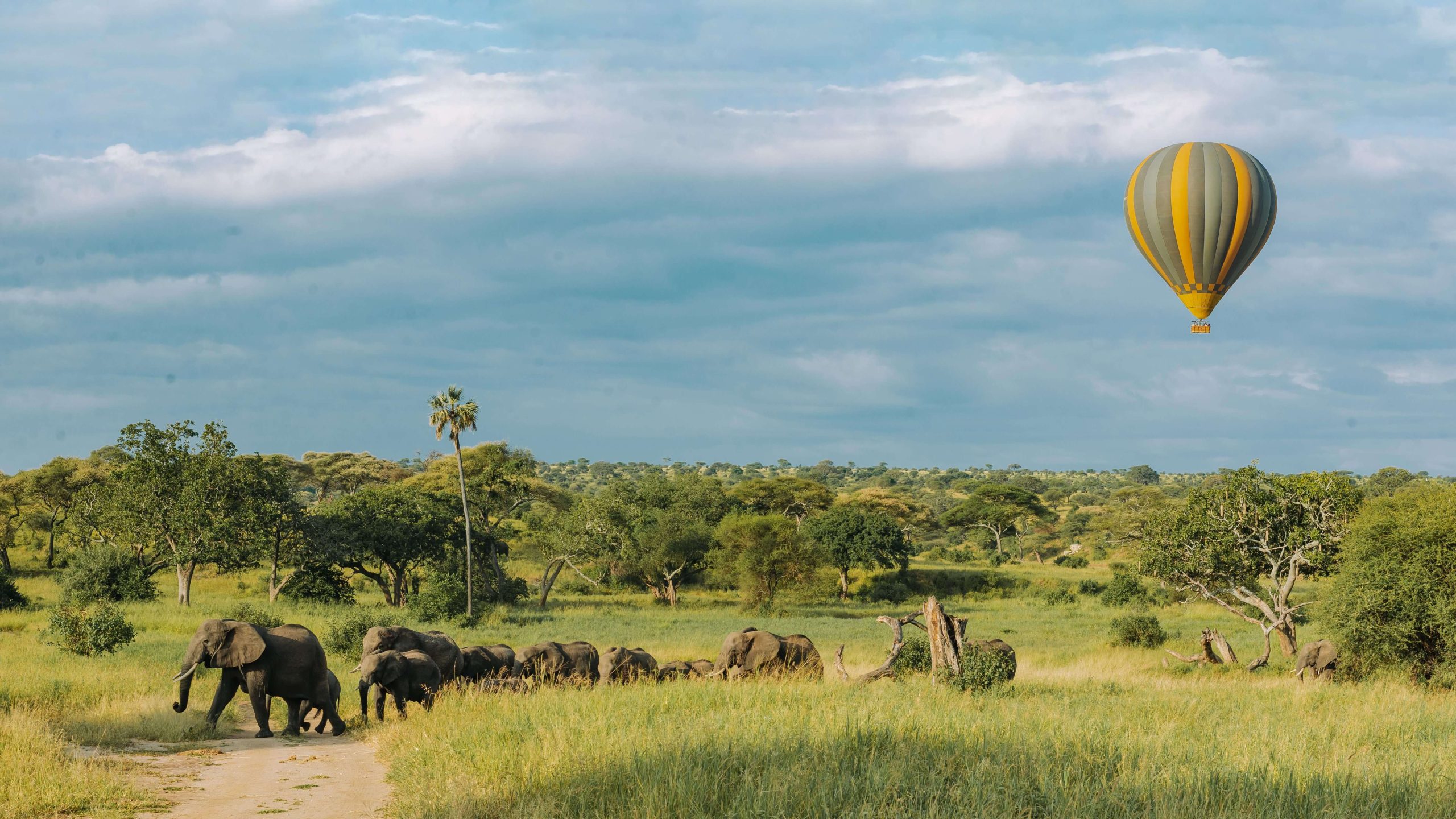

Three to four days is the sweet spot for a complete Serengeti experience, no matter your travel style or budget. That's enough time to reach the good game-viewing zones, adjust to the rhythm of the bush, and actually see predators hunt rather than just spotting them from a distance.
Insider warning: If you're driving in from Arusha, budget a full 8 hours of bone-jarring transit on corrugated dirt roads before you even reach Naabi Hill Gate. Guides based out of Seronera consistently flag "game-drive fatigue" — the exhaustion that sets in after 8–10 hours a day bouncing across washboard tracks — as the single biggest complaint from first-time visitors who over-scheduled their trip.
Why 3–4 Days Is the Baseline, Not the Maximum
A single day in the Serengeti is a photo-op, not a safari. Two days lets you see the park, but you'll spend a disproportionate chunk of that time driving to and from your lodge instead of parked next to a pride.
Field guides interviewed for this piece consistently point to day three as the turning point. By then, guests have learned to read tracks, understand territory boundaries, and — critically — trust their guide's instincts about where to wait rather than chase.
Feedback collected from repeat safari travelers backs this up: those who booked 4+ days reported significantly higher satisfaction with predator sightings than those who did 2-day loops. More time also means more flexibility if weather, herd movement, or a flat tire disrupts your plan.
Trip Duration Comparison by Traveler Type
| Travel Style | Ideal Duration | Focus Region | Highlights | Key Trade-offs |
|---|---|---|---|---|
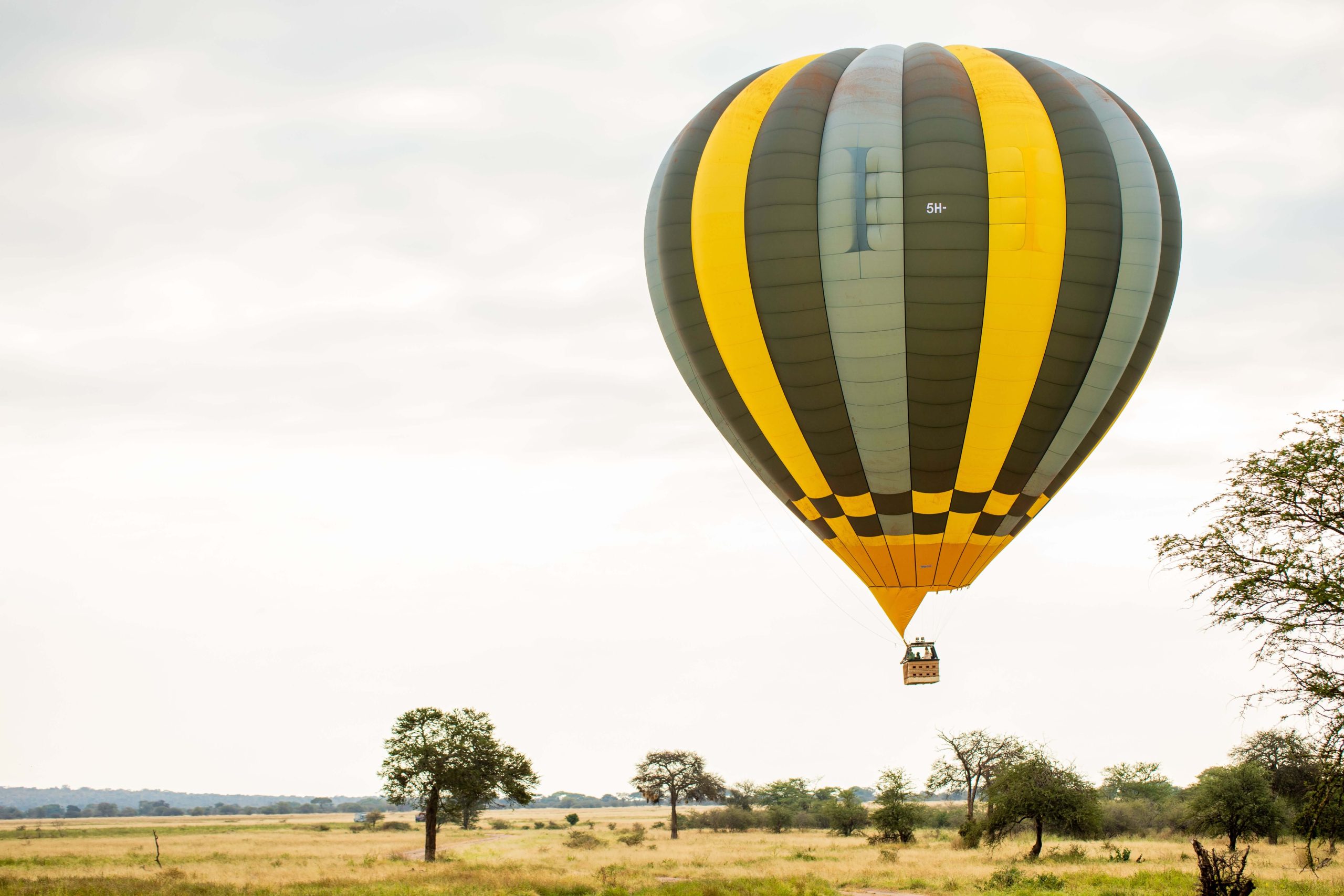
| First-Timers | 4 days | Central Seronera + Southern plains | Year-round resident lions, leopards in sausage trees, balloon safari option | Enough buffer for a slow first day without missing marquee sightings |
| Budget/Land Travelers | 4–5 days | Central Seronera via Naabi Hill Gate | Big cats, classic vehicle safaris, lower-cost camps near the gate | Long drive days eat into game-viewing hours; road dust and fatigue add up |
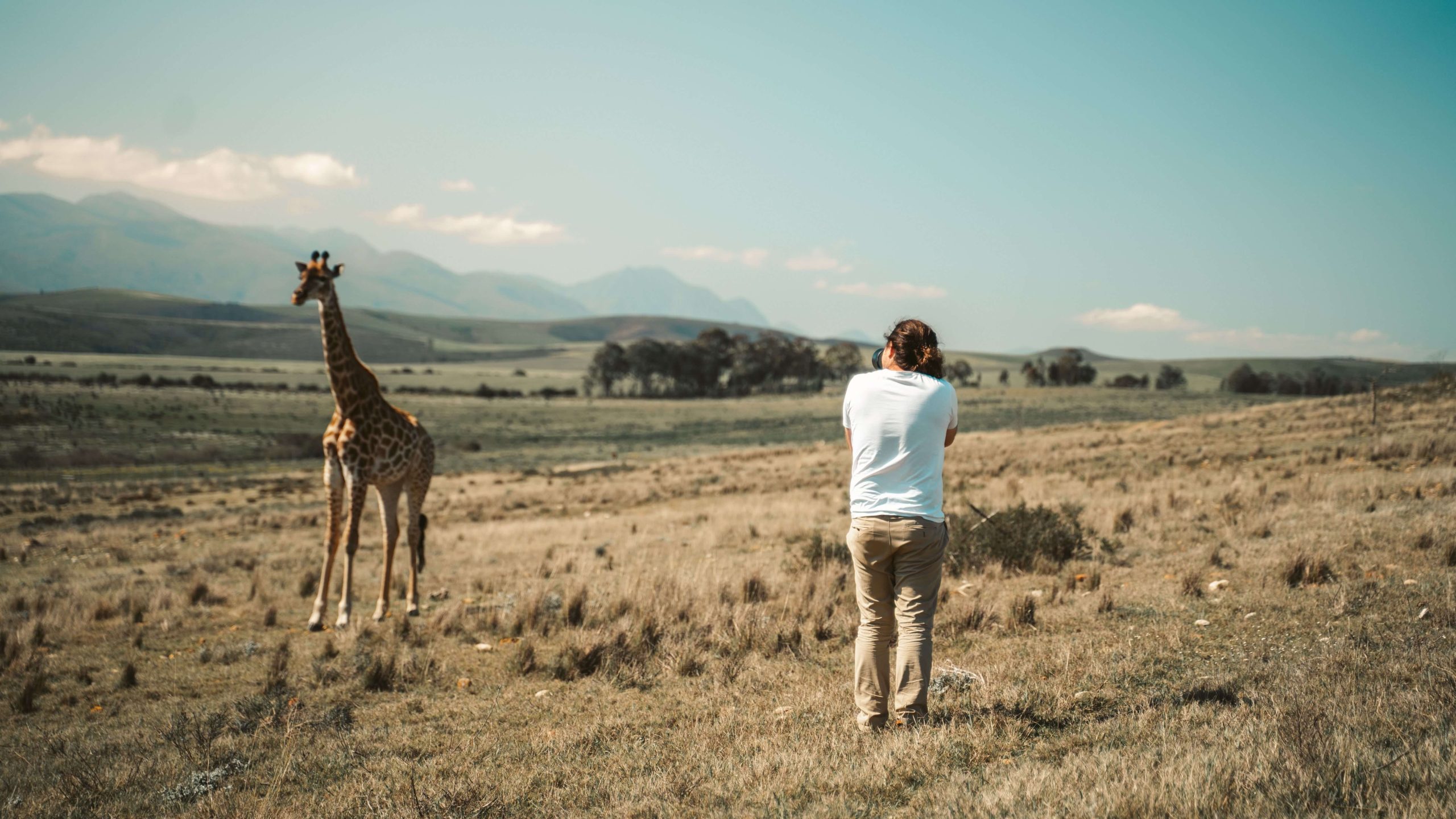
| Photographers | 6+ days | Ndutu (Jan–Mar) or Mara River (Jul–Oct) | Calving season predation, river crossings, low-traffic golden hour light | Requires seasonal timing precision; missing the window means missing the shot entirely |
| Luxury Fly-In Guests | 3–4 days | Multiple zones via bush plane | Seronera + Ndutu or Kogatende in one trip, minimal transit time | Higher cost per day, but zero time lost to road transfers |
Naabi Hill Gate vs. Bush Flight: The Real Cost of Getting There
This is the decision that shapes your entire itinerary, and most first-time planners underestimate it.
Driving from Arusha means passing through Naabi Hill Gate, the main southeastern entry point, where park fees are processed. That's where you'll pay the standard $83 USD per person per day, VAT included, plus vehicle and concession fees depending on your camp.
The drive itself covers roughly 320 km of mixed tarmac and dirt, much of it corrugated washboard that turns a "quick transfer" into a full-day event. Guides based in Seronera note that guests arriving by road often need half a day just to recover before their first proper game drive.
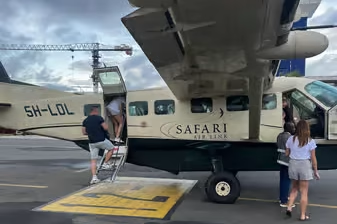
Flying skips all of that. Seronera Airstrip (SEU) sits inside the central park and receives daily scheduled flights from Arusha (ARK) and Zanzibar. Kogatende Airstrip (KGT), up in the northern Mara region, is the gateway for river-crossing season and cuts what would be a 6-hour drive down to a 45-minute hop.
Pro Tip: If your budget allows even one bush flight leg, fly into Seronera or Kogatende and drive out through Naabi Hill Gate (or vice versa). You get the time savings of flying plus a scenic overland transfer through the southern plains — without doubling your transit fatigue in both directions.
One catch: bush planes enforce strict luggage limits. Most operators cap guests at 15 kg (33 lbs) per person in a soft-sided duffel bag — no hard-shell suitcases, no exceptions. Pack accordingly, and leave the roller bag at your hotel in Arusha.
How to Split Your Days: Resident Wildlife vs. Seasonal Migration
The Serengeti isn't one ecosystem — it's several, and where the Great Migration happens to be standing shifts the entire game plan.
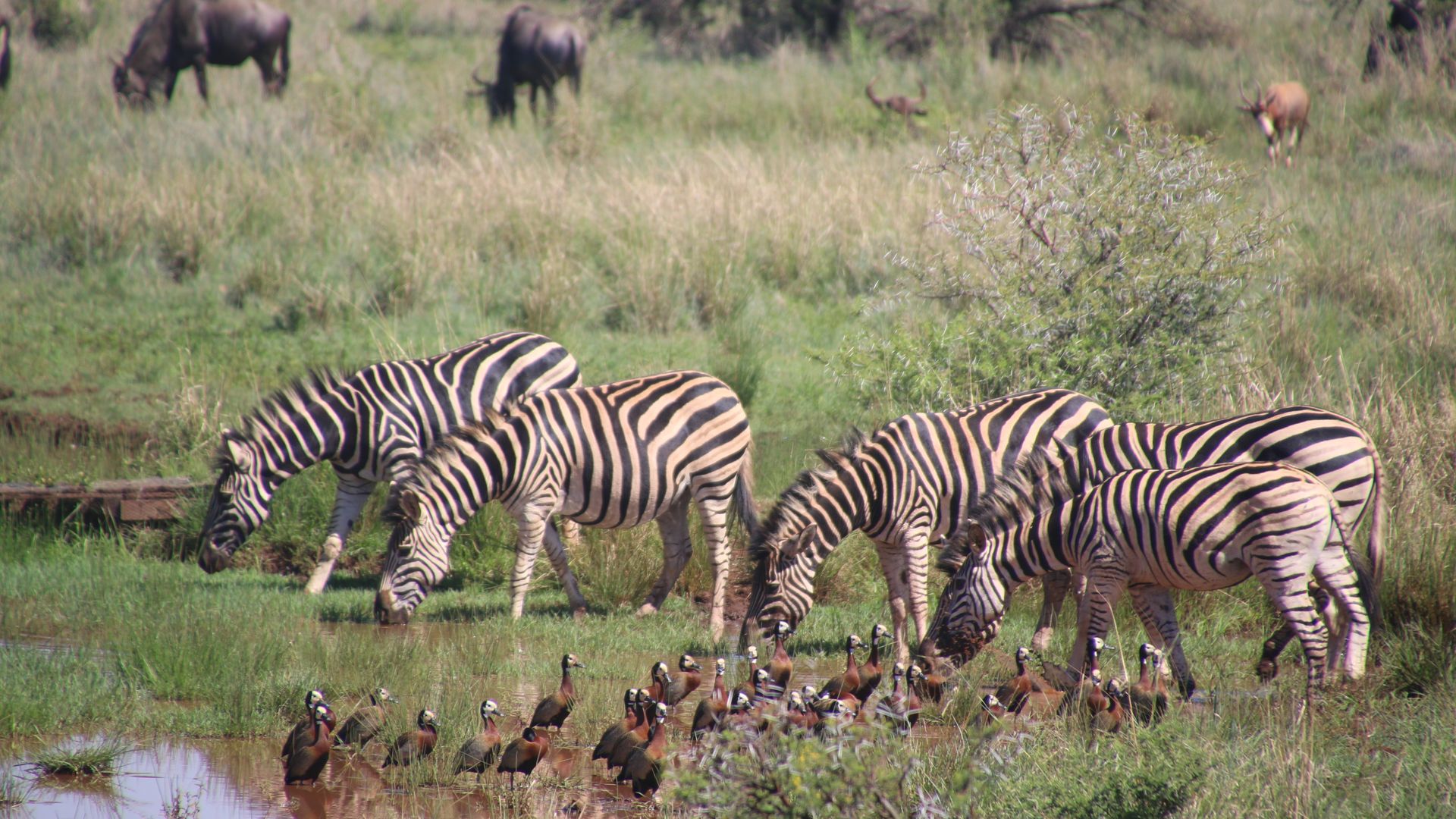
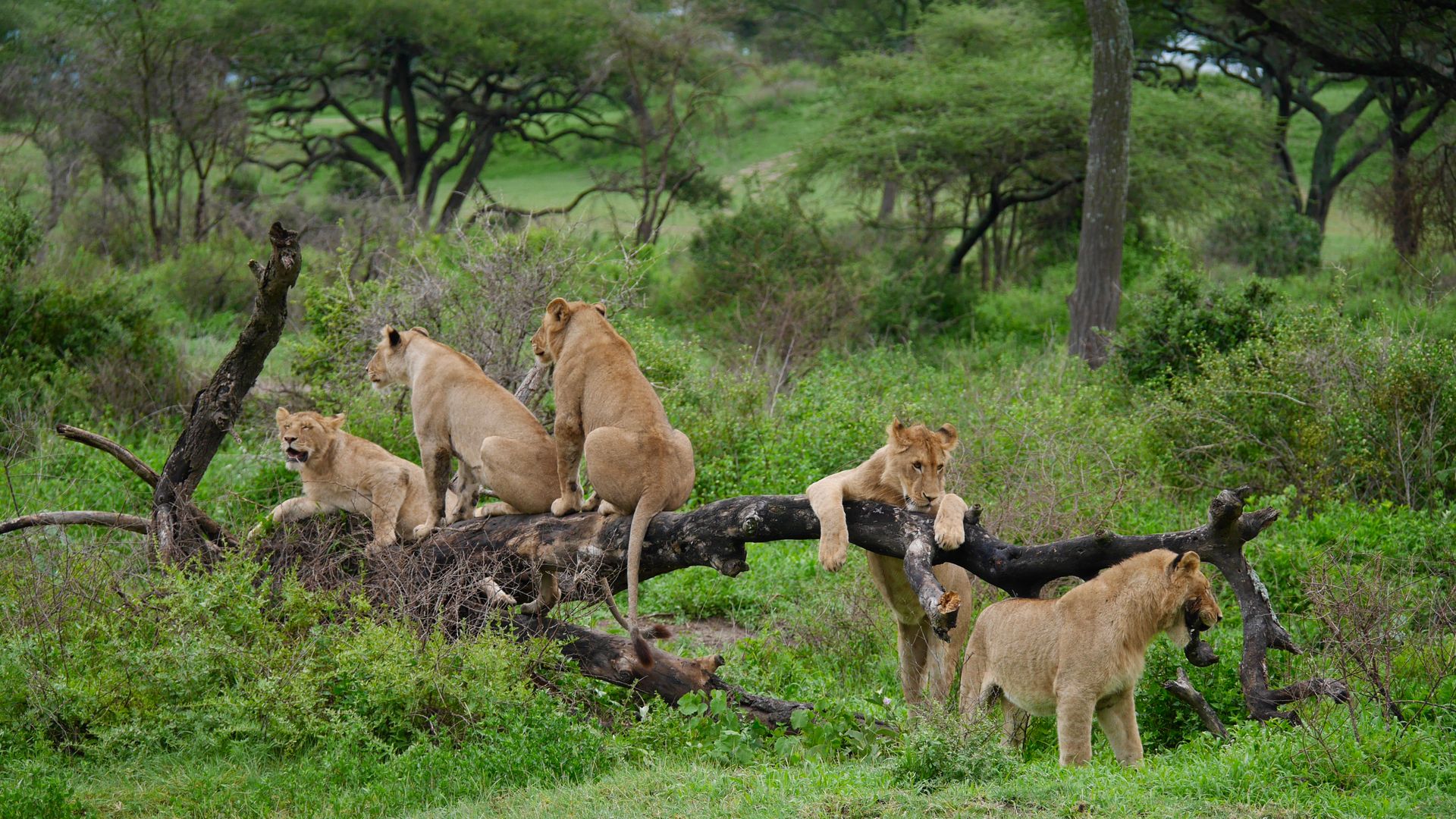
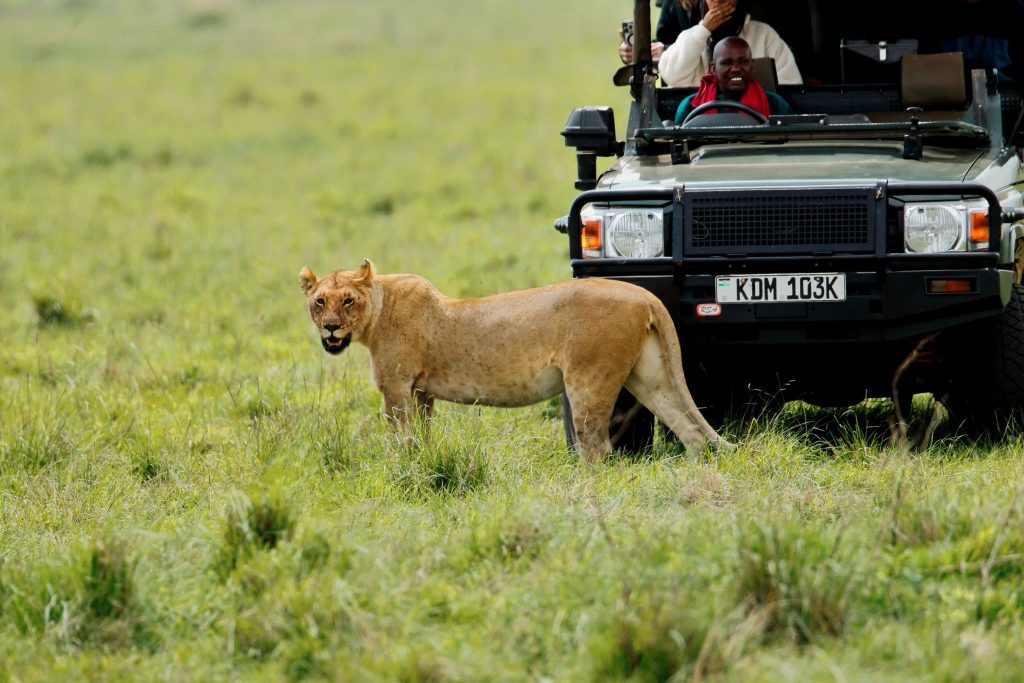
Central Seronera holds resident predator populations year-round. Lions, leopards, and cheetah territories here don't move with the herds, which makes it the reliable backbone of any itinerary regardless of season.
Ndutu, technically just across the border in the Ngorongoro Conservation Area, becomes the epicenter of drama from January through March. This is calving season — thousands of wildebeest give birth within a few synchronized weeks, and predator activity spikes accordingly.
Kogatende and the Mara River region takes over from July through October, when the migration pushes north and the river crossings begin. This is the sequence most people picture when they imagine "the Great Migration" — chaotic, dust-churning crossings with crocodiles waiting downstream.
- If you have 3 days: Stay entirely in Central Seronera; don't try to chase the migration on a tight timeline.
- If you have 4–5 days: Split time between Seronera and whichever seasonal zone matches your travel dates.
- If you have 6+ days: Add a third region, or slow down and spend two full days in Ndutu or the Mara for deeper coverage of a single event like a crossing.
- Always check migration timing before booking — herd positions shift year to year based on rainfall, and a guide's June forecast for August can still be off by two to three weeks.
>> Check Best Tanzania Safari Packages <<
Accounting for Game-Drive Fatigue
Nobody plans their dream safari around exhaustion, but it's the factor that quietly ruins more trips than bad weather does.
Full-day game drives — the kind that start before sunrise and don't end until after sunset — sound thrilling in theory. In practice, guides report that guests hit a wall around hour six, especially on rough roads in open-sided vehicles under equatorial sun.
The fix isn't fewer days in the park; it's better pacing within the days you have. Build in a midday break at camp, split long transfer days into two shorter game-viewing blocks, and resist the urge to fill every single hour with driving.
Frequently Asked Questions
How many days do you need in Serengeti, Tanzania?
Most first-time visitors need 4 days in Serengeti, Tanzania, to see resident predators, cover Central Seronera properly, and still leave room for a slow start or a weather delay. Guides interviewed for this piece rarely recommend less, since three days works only if flights (not road transfers) carry you in and out.
How many days do you need for the Great Migration?
Plan for at least 4–5 days if you're chasing a specific migration event like the Mara River crossings, since herd positions can shift by days even with good local intel. Guides recommend 2 full days in the target zone alone to improve your odds of witnessing a crossing.
Is 2 days in the Serengeti enough?
Two days is workable if you're only visiting Central Seronera and flying in rather than driving. It's tight, though, and leaves little room for a bad-weather day or a slow start to game viewing.
Can you do a Serengeti safari in one day?
Technically yes, usually as a fly-in day trip from Arusha or a stopover from the Ngorongoro Crater, but it only allows time for a single game drive in one small area. Most guides consider a one-day visit a taste of the park rather than a real safari.