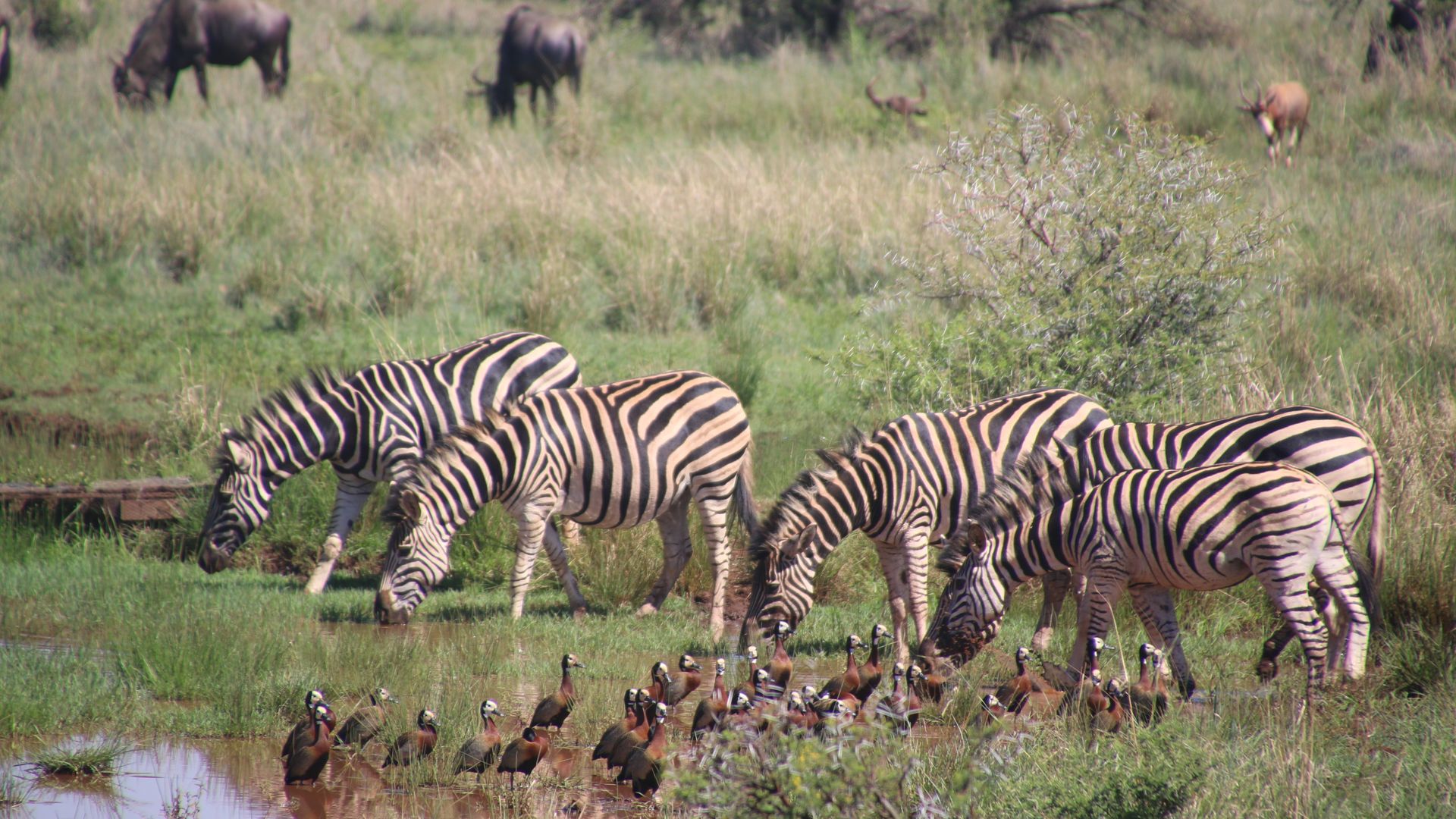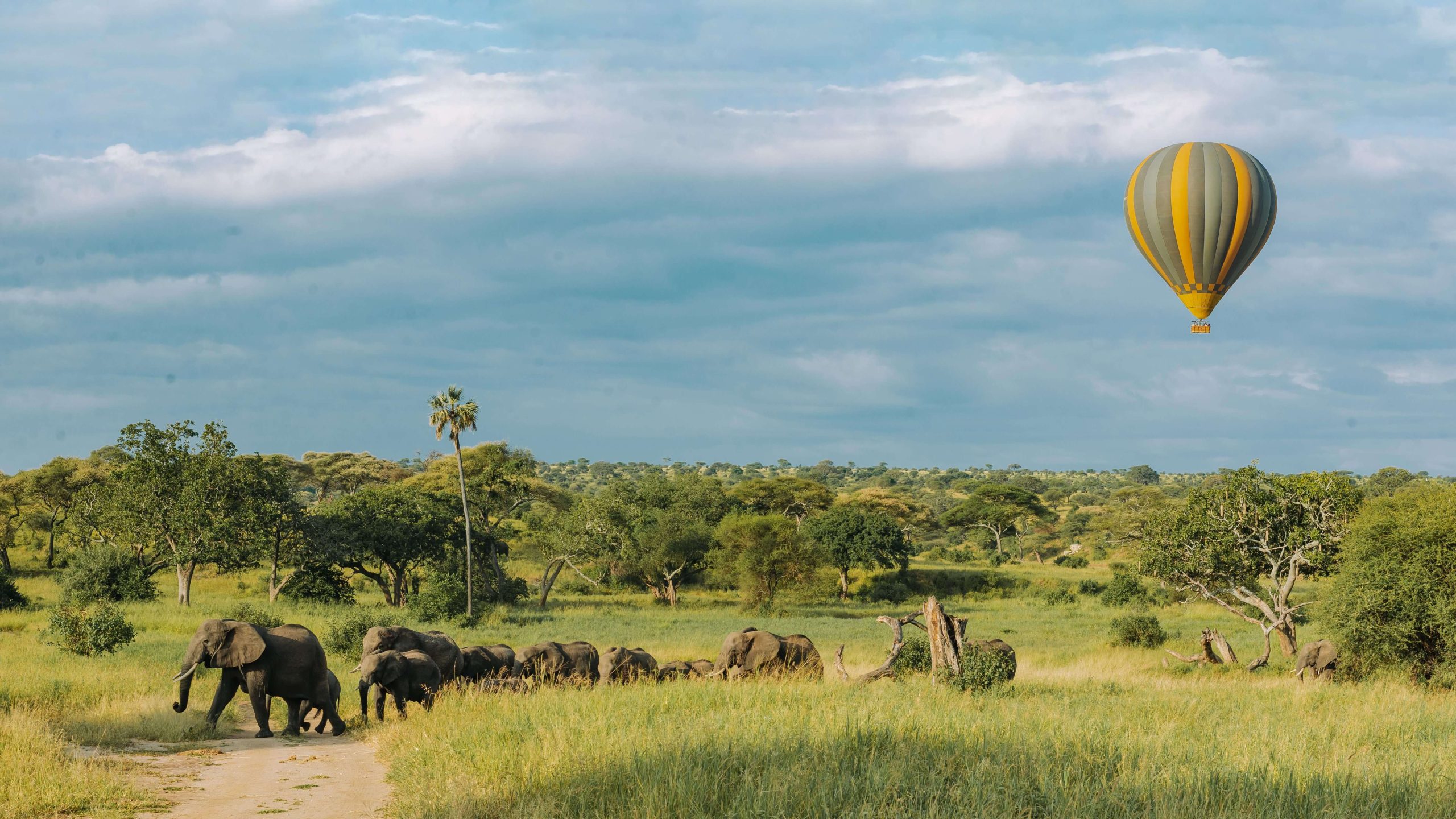

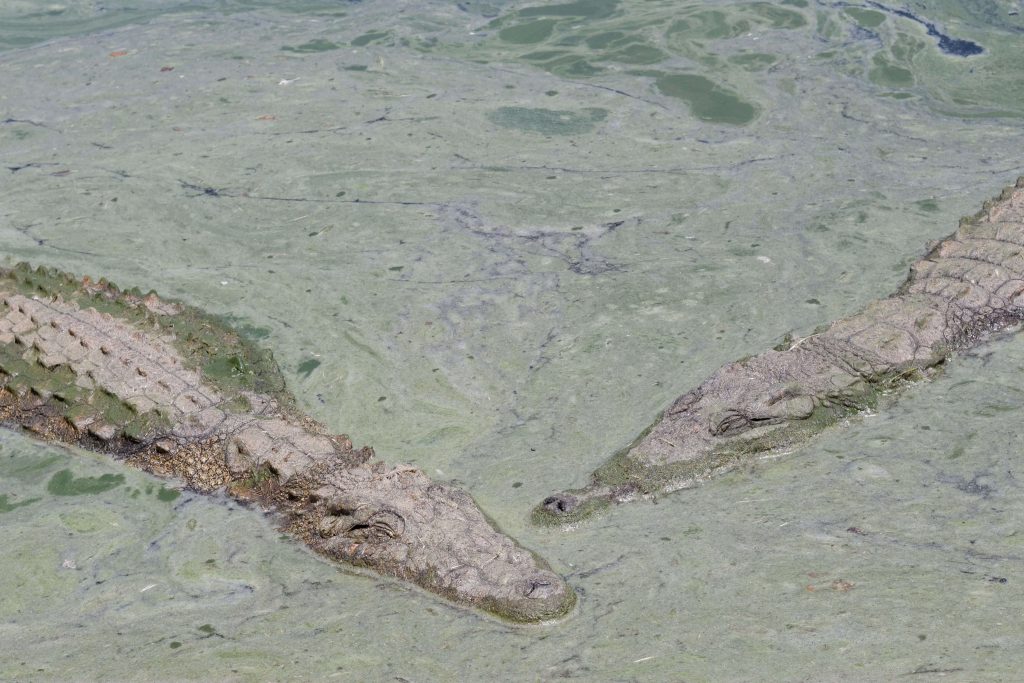
The Northern Serengeti is the wildest, least-visited corner of Tanzania's ecosystem, home to the Mara River crossings where wildebeest and zebra face down giant Nile crocodiles between July and October. Outside crossing season, the region quiets into one of East Africa's best resident wildlife strongholds, with the Lobo Valley holding some of the Serengeti's largest elephant herds.
Insider Trade-Off: Peak crossing season (August–September) means premium lodge rates, limited riverfront availability, and camps booked out 9–12 months ahead. Travelers chasing crossings on a budget or with short lead time will find the region far less forgiving than the central Serengeti.
What Makes the Northern Serengeti Different
This isn't an extension of the central Seronera circuit — it's a separate wildlife theater with its own rhythm. Camp managers around Kogatende describe the difference in one word: space. Vehicle density at a crossing point here runs a fraction of what's typical at Mara Triangle crossings on the Kenyan side, and outside July–October the region often feels emptier still.
Three things define the experience:
- The crossings themselves — chaotic, unscripted, and never guaranteed on any single day.
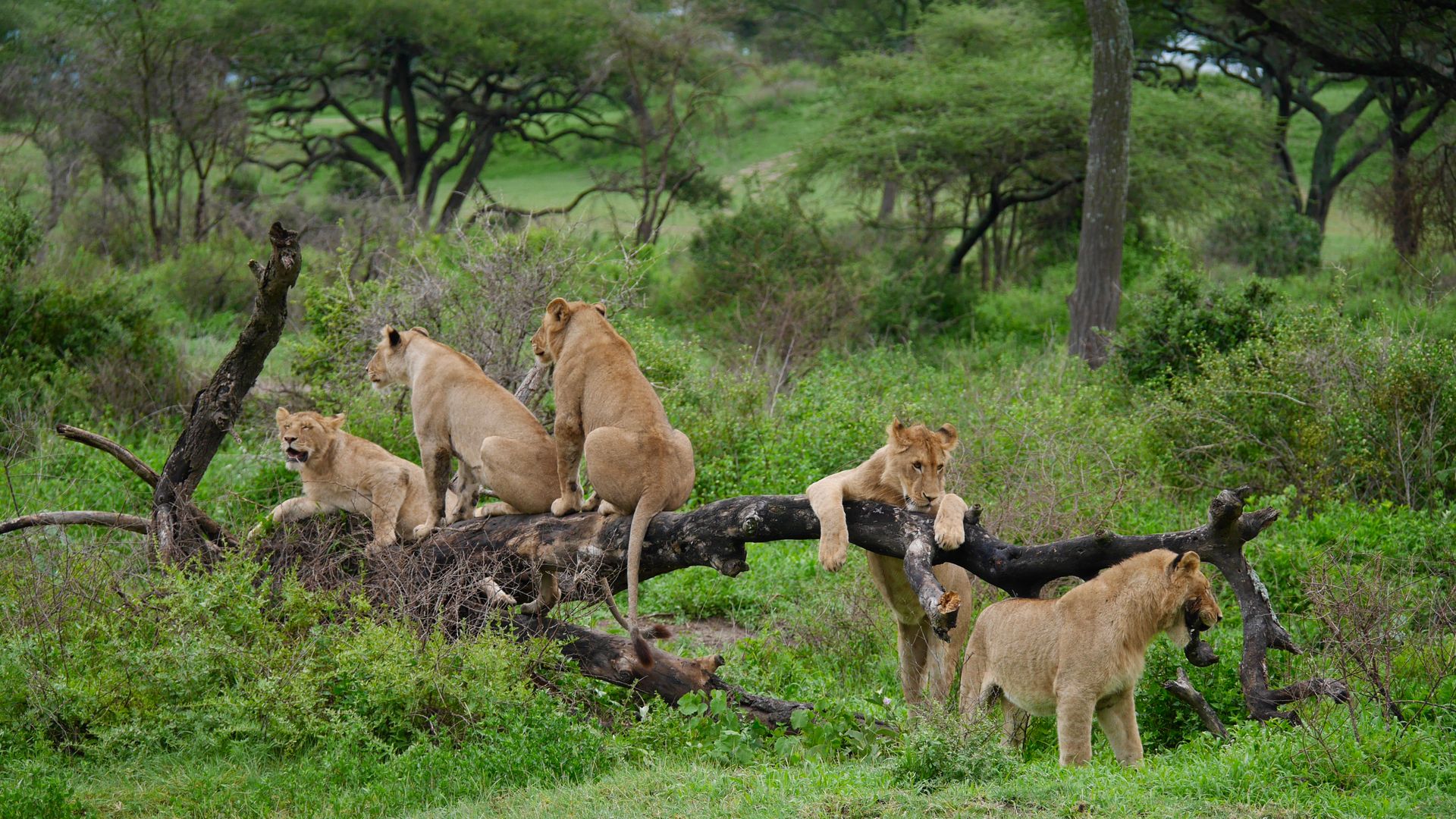
- Resident predators — a dense population of lions, leopards, and cheetahs that don't migrate and are viewable year-round.
- Remoteness — most visitors fly in via Kogatende Airstrip (KGT) rather than drive, which shapes almost every planning decision below.
Veteran guides are blunt about expectations: this is a region for travelers who've already done a classic Serengeti-Ngorongoro loop, or who are specifically chasing the crossing spectacle and are willing to pay and plan for it.
[Check Best Tanzania Safari Packages]
Best Time to Visit the Northern Serengeti
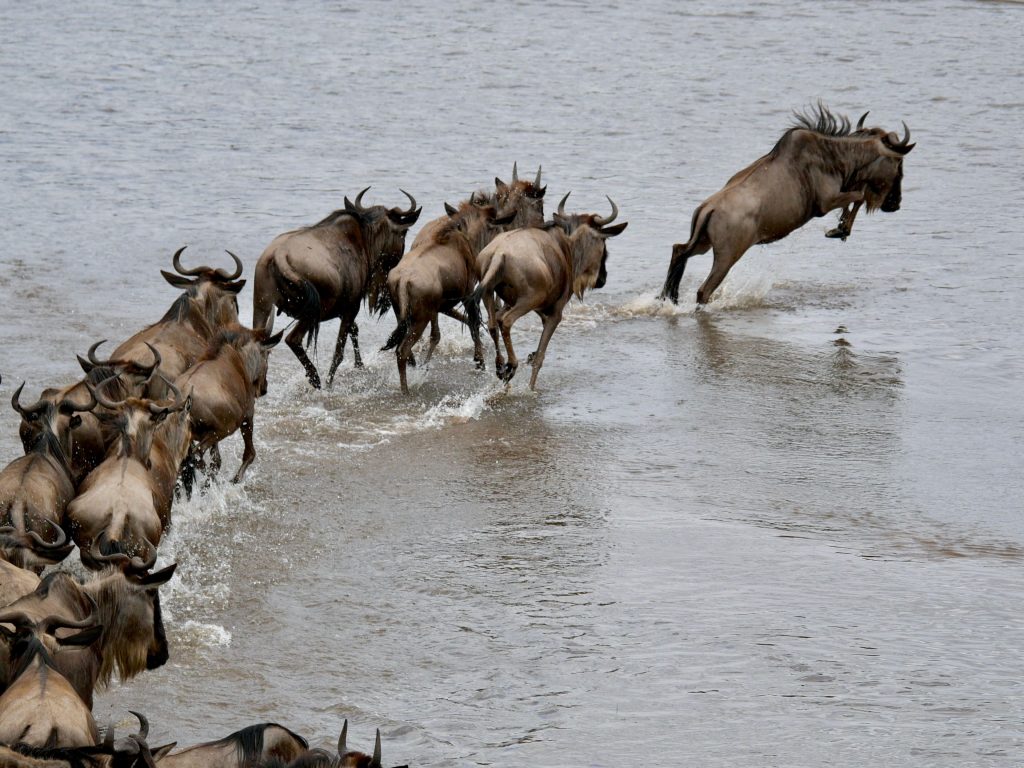
Timing here isn't a preference — it's the entire trip. The Mara River herds are seasonal visitors, and the gap between "peak crossing month" and "empty riverbank" can be a matter of weeks.
June: The Build-Up
Herds begin pushing north out of the Western Corridor and central Seronera. Grass is still green in patches, river flows are moderate, and the first scattered crossing attempts start appearing near Lamai. Camps are open but not yet fully booked, making this a smart shoulder-season entry point for travelers who want a preview without peak-season pricing.
July: Early Crossings Begin
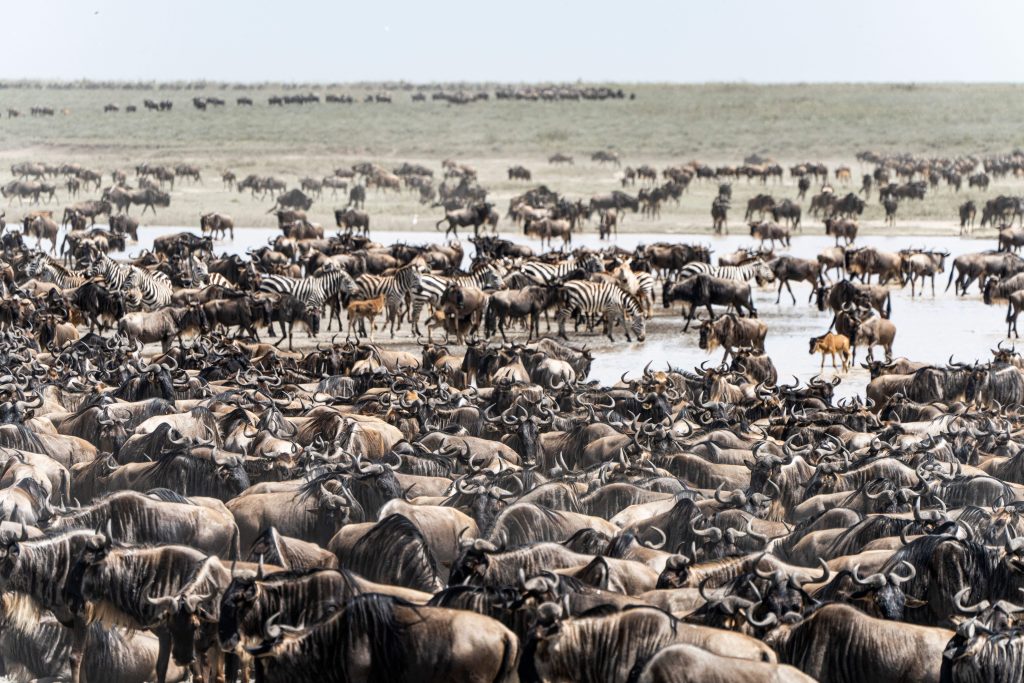
This is when the drama starts in earnest. Herds arrive in growing numbers along the Kogatende and Lamai Triangle banks, and crossing attempts become a daily possibility rather than a rare event. Camp occupancy climbs fast, and rates shift toward high-season pricing by mid-month.
August–September: Best River Crossing Season
The two headline months. Herds are consistently massed along the river, crossing attempts happen with real frequency, and this is statistically the highest-probability window to witness a full-scale crossing with crocodiles engaged. It's also the most expensive, most booked-out, and most vehicle-dense period the region sees all year — though even at peak, sightings run far less crowded than equivalent scenes across the border in Kenya's Mara Triangle.
October: The Tail End
Crossings continue but become less predictable as herds start drifting back south ahead of the short rains. This is a favored month among repeat visitors and photographers who want strong crossing odds with noticeably lighter camp bookings than August.
November–June (Off-Season for Crossings)
Once the herds move south, the Northern Serengeti shifts into a different kind of trip. Resident lion prides, leopards along the riverine forest, and the Lobo Valley's elephant herds become the main draw. Rates drop substantially, camps sit at a fraction of peak occupancy, and several seasonal tented camps close entirely between November and June — worth checking before booking.
Pro Tip: Guides consistently point to the last two weeks of August and the first two weeks of September as the highest-probability crossing window — but book your camp at least 9–12 months out if targeting those exact dates, since Sayari, Singita Mara River, and the seasonal camps sell out first.
Where to Stay in the Northern Serengeti
Accommodation here splits into three clear tiers, and location relative to the river matters more than almost anywhere else in the Serengeti ecosystem — a camp 20 minutes from a crossing point versus 90 minutes changes the entire day.
Luxury Permanent Lodges
These are fixed, high-end properties built for travelers who want five-star infrastructure without sacrificing proximity to the action. Sayari Camp sits close to the Mara River with some of the most consistent riverfront access in the region, and its design leans into unobstructed valley views rather than dense bush screening. Singita Mara River Tented Camp takes proximity even further, positioned directly on the riverbank with a small-footprint, high-privacy layout that repeat luxury travelers specifically request. Migration Camp (Lobo) trades immediate river access for the Lobo Valley's resident wildlife density, making it the pick for travelers prioritizing big cats and elephant herds over crossing odds alone.
Mobile / Seasonal Tented Camps
These camps physically relocate to track the herds, which is precisely why they exist — and why they're only open during the season they're built for. Nomad Serengeti Safari Camp, Ubuntu Migration Camp, and Olakira Migration Camp all station themselves in the Kogatende area from July through October specifically to maximize crossing access. Guest reports consistently highlight these as the best value-to-proximity ratio during peak season, since their entire seasonal existence is built around minimizing drive time to active river points.
Note: These mobile camps operate in the Kogatende area specifically from July through October before relocating south to Ndutu / Southern Serengeti for the calving season from December through March.
Mid-Range Options
For travelers who want the Northern Serengeti experience without luxury-tier pricing, Serengeti Kogatende Tented Camp and Nyikani Camp Northern Serengeti offer solid access to the river zone at a meaningfully lower nightly rate. Rooms and amenities are simpler, but the wildlife access — which is ultimately what this trip is about — remains strong given their Kogatende-area positioning.
| Camp | Tier | Best For |
|---|---|---|
| Singita Mara River Tented Camp | Luxury Permanent | Direct riverbank access, maximum privacy |
| Sayari Camp | Luxury Permanent | Consistent crossing proximity, high-end infrastructure |
| Migration Camp (Lobo) | Luxury Permanent | Resident big cats, elephant herds, year-round appeal |
| Nomad Serengeti Safari Camp | Mobile / Seasonal | Peak-season (Jul–Oct) crossing proximity |
| Olakira Migration Camp | Mobile / Seasonal | Value-focused peak-season access |
| Ubuntu Migration Camp | Mobile / Seasonal | Small camp, peak-season crossing focus |
| Serengeti Kogatende Tented Camp | Mid-Range | Budget-conscious river-zone access |
| Nyikani Camp Northern Serengeti | Mid-Range | Affordable base for game drives and walking safaris |
[Check Best Tanzania Safari Packages]
Signature Experiences & Game Drives
Mara River Crossing Game Drives
Crossings don't run on a schedule, which is exactly why guide experience matters more here than anywhere else in the Serengeti. Veteran drivers position vehicles at known staging points — areas where herds bunch up, hesitate, and pace the bank before committing — rather than chasing movement after it's already started.
- Morning circuit (6:00–10:00 AM): Herds are often still settled from overnight grazing, and guides scout staging points along Kogatende and Lamai banks for early signs of bunching.
- Mid-day circuit (10:00 AM–2:00 PM): Heat typically slows herd movement, so many guides shift toward resident predator sightings — lion prides resting in riverine shade, leopards along tree lines — while staying within radio range of crossing activity.
- Evening circuit (3:00–6:30 PM): A second wave of crossing attempts often builds as temperatures drop, and this window frequently produces the day's most dramatic action before last light.
Guides communicate constantly by radio across camps in the region, so a crossing spotted from one vehicle often pulls others in within minutes — part of why choosing a camp close to the river materially improves your odds versus one that requires a long transfer first.
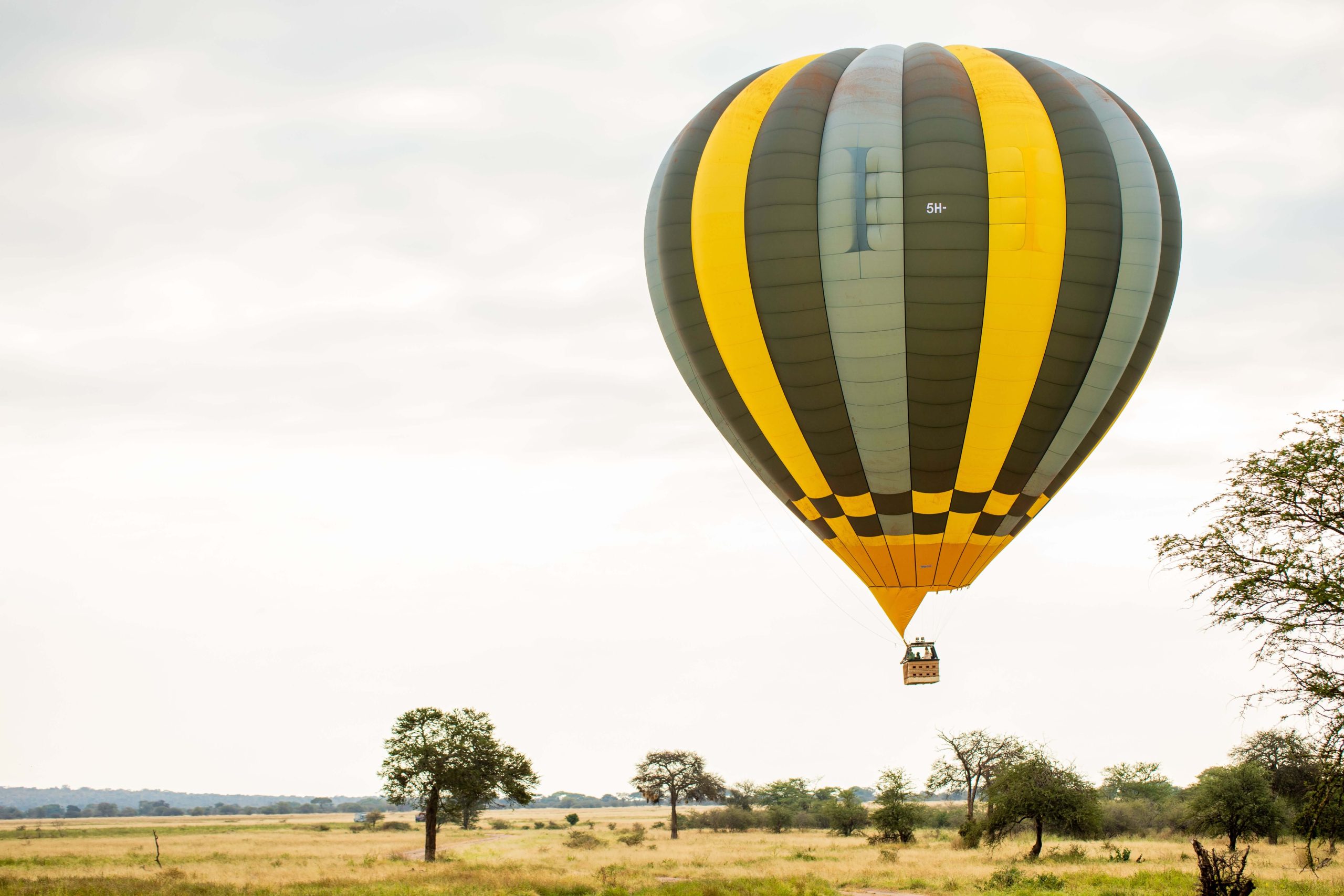
Hot Air Balloon Safaris Over the Mara
This is the single most-booked add-on experience in the region, and it sells out fast during peak months.
- Pickup: Guests are collected from camp around 4:00 AM, well before sunrise, for transfer to the launch site.
- Flight: Balloons typically fly for approximately one hour, drifting at varying altitudes — sometimes low enough to skim the treeline, sometimes climbing for panoramic views over the river loop and rolling northern hills.
- Landing & breakfast: Flights conclude with a champagne bush breakfast set up in the open plains, a tradition that's become as much a part of the experience as the flight itself.
- Booking urgency: Balloon capacity is limited to a fixed number of passengers per flight, and July–October dates routinely book out weeks in advance — guides recommend reserving before arrival rather than on the ground.
Guided Walking Safaris
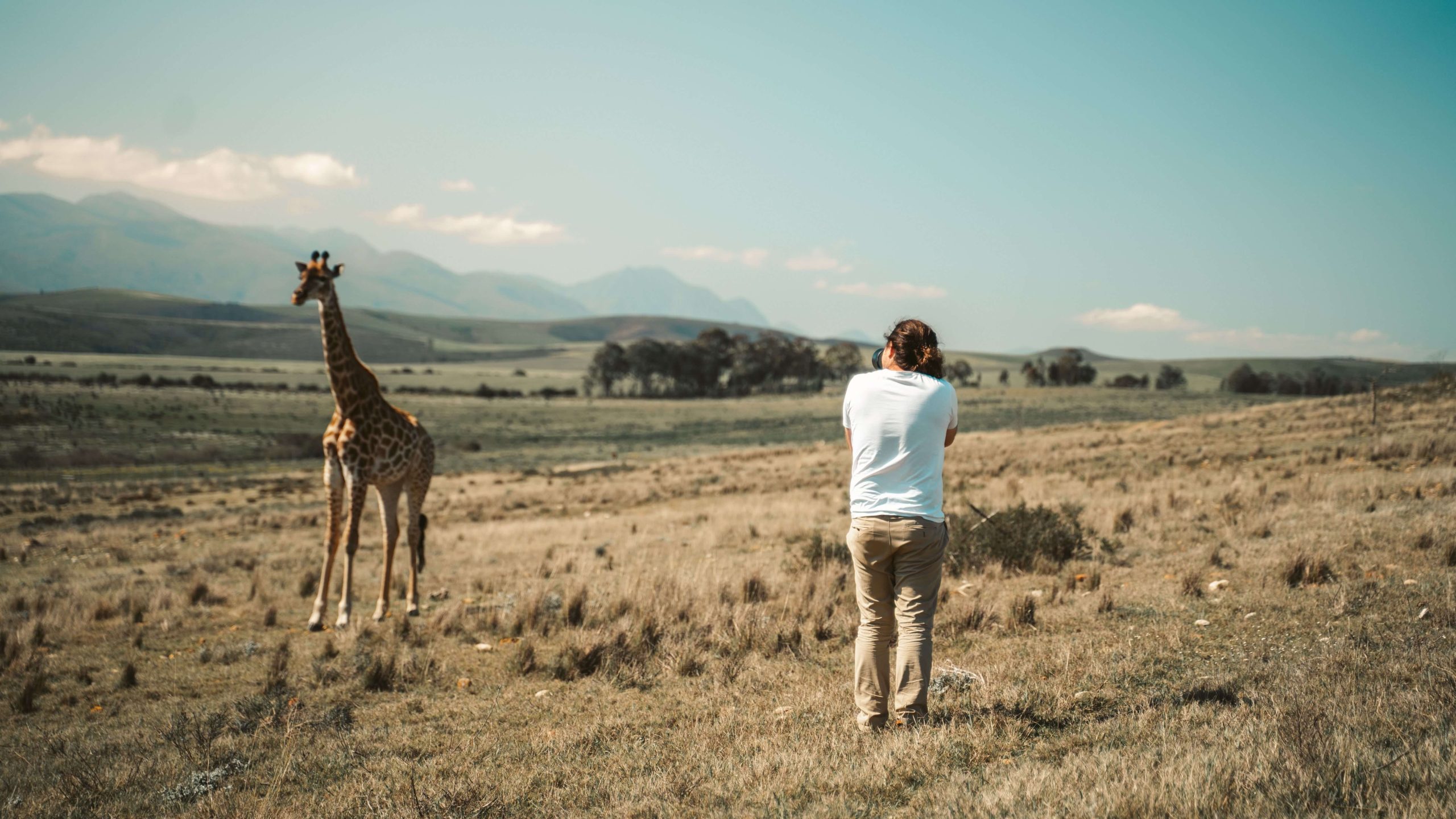
A genuinely rare offering in the Serengeti ecosystem, permitted only in selected areas around Kogatende and on private concessions. Guests walk with an armed ranger and a professional guide, moving at a pace built around tracking — reading spoor, identifying alarm calls, and reading terrain rather than covering distance. It's a fundamentally different way to experience the bush: slower, quieter, and far more focused on the small details vehicles drive past.
Big Cat & Resident Wildlife Viewing
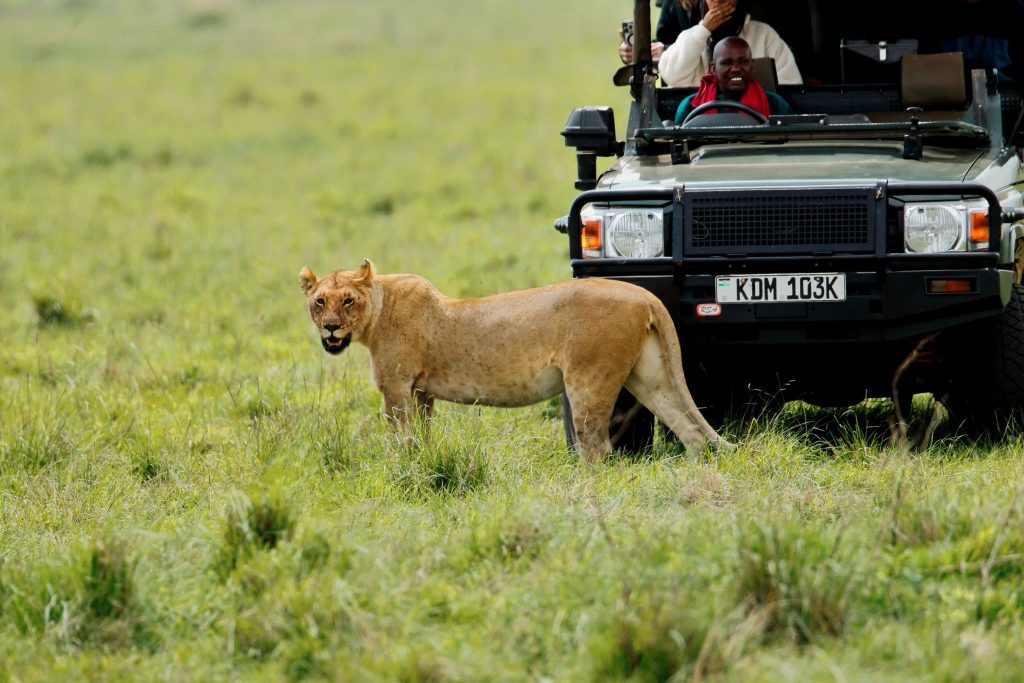
Outside the crossing window, this is the region's main event. The Lobo Valley and surrounding acacia woodlands hold some of the Serengeti's largest elephant herds, and the riverine forest along the Mara supports a dense resident population of lions and leopards that don't migrate with the herds. Cheetah sightings are common on the open plains bordering Lobo, particularly in the cooler early-morning hours.
Logistics & Getting There
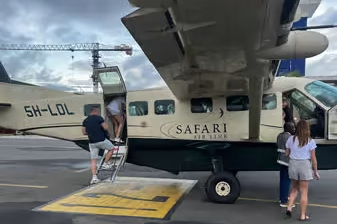
Most visitors reach the Northern Serengeti by air rather than road, and for good reason — the region sits roughly 6–8 hours by vehicle from Arusha, a drive most travelers on a limited itinerary won't want to spend on transit alone.
By Air (Recommended)
- Kogatende Airstrip (KGT / Kogatende): The primary access point for the Northern Serengeti, served by scheduled bush flights connecting from Arusha (ARK), Seronera (SEU), and other Serengeti airstrips. Note that while regional airline schedules often list it as KGT, some domestic booking engines simply refer to it as Kogatende Airstrip.
- Typical routing: Most international travelers land at Kilimanjaro International Airport (JRO), connect via a scheduled or charter flight to ARK or directly into the Serengeti circuit, then take a short hop to KGT.
- From Zanzibar: Travelers combining a beach extension often route through Zanzibar (ZNZ), connecting back to the mainland via scheduled carriers.
- From Dar es Salaam: Dar es Salaam (DAR) offers additional connection options for travelers arriving via the coast rather than Kilimanjaro.
- Flight time: Scheduled bush flights from Arusha to Kogatende typically run in the range of 1.5–2 hours depending on routing and stops at intermediate airstrips.
By Road
- Via Naabi Hill Gate (main southern entry): Roughly 6–7 hours driving time to the Kogatende area, passing through the central Seronera circuit en route.
- Via Klein's Gate (eastern access, Loliondo side): A faster option for travelers approaching from the Ngorongoro/Loliondo direction, typically cutting meaningful time off a Naabi-routed drive.
- From Central Seronera to Kogatende: Approximately 2.5–3 hours on unpaved roads, a distance many travelers underestimate when planning day trips.
Guides consistently recommend flying in and driving out (or vice versa) rather than doing both legs by road — it preserves wildlife-viewing time and avoids two full days lost to transit on a short itinerary.
What to Pack for the Northern Serengeti

Gear choices here matter more than in most safari regions, largely because of distance from resupply points and the specific demands of river-crossing photography.
- High-magnification binoculars (10x42 or stronger): Crossing points and predator sightings on the far riverbank, or cats resting in kopjes, are often too distant for the naked eye — a stronger optic than a standard travel pair pays off constantly here.
- Dust-proof camera bag: Unpaved roads between Seronera and Kogatende generate persistent fine dust that works into standard bags; a sealed, dust-rated bag protects camera bodies and lenses over a multi-day stay.
- Thermal layers for dawn drives: Open-vehicle game drives and balloon pickups both start before sunrise, when temperatures at altitude on the northern plains can be sharply colder than daytime highs suggest.
- Neutral-toned clothing: Standard safari practice, but especially relevant for walking safaris where movement and color both affect how close guides can approach wildlife on foot.
- Extra memory cards and batteries: With no retail resupply near Kogatende, photographers covering multiple crossing days should carry more storage and power than they think they'll need.
Frequently Asked Questions
When is the best month to see the Mara River crossings? August and September consistently offer the highest probability of witnessing a full crossing with crocodiles engaged. Late August through early September is the specific window most guides point to.
Do I need to fly into Kogatende, or can I drive? Flying into Kogatende Airstrip (KGT) is strongly recommended, since the road route from Naabi Hill Gate runs 6–7 hours each way. Most travelers fly in to maximize wildlife-viewing time rather than spend two days in transit.
Is the Northern Serengeti worth visiting outside crossing season? Yes — the Lobo Valley holds some of the Serengeti's largest elephant herds and a dense resident population of lions and leopards year-round. Rates also drop substantially between November and June, making it a strong value period for travelers less focused on the crossings specifically.