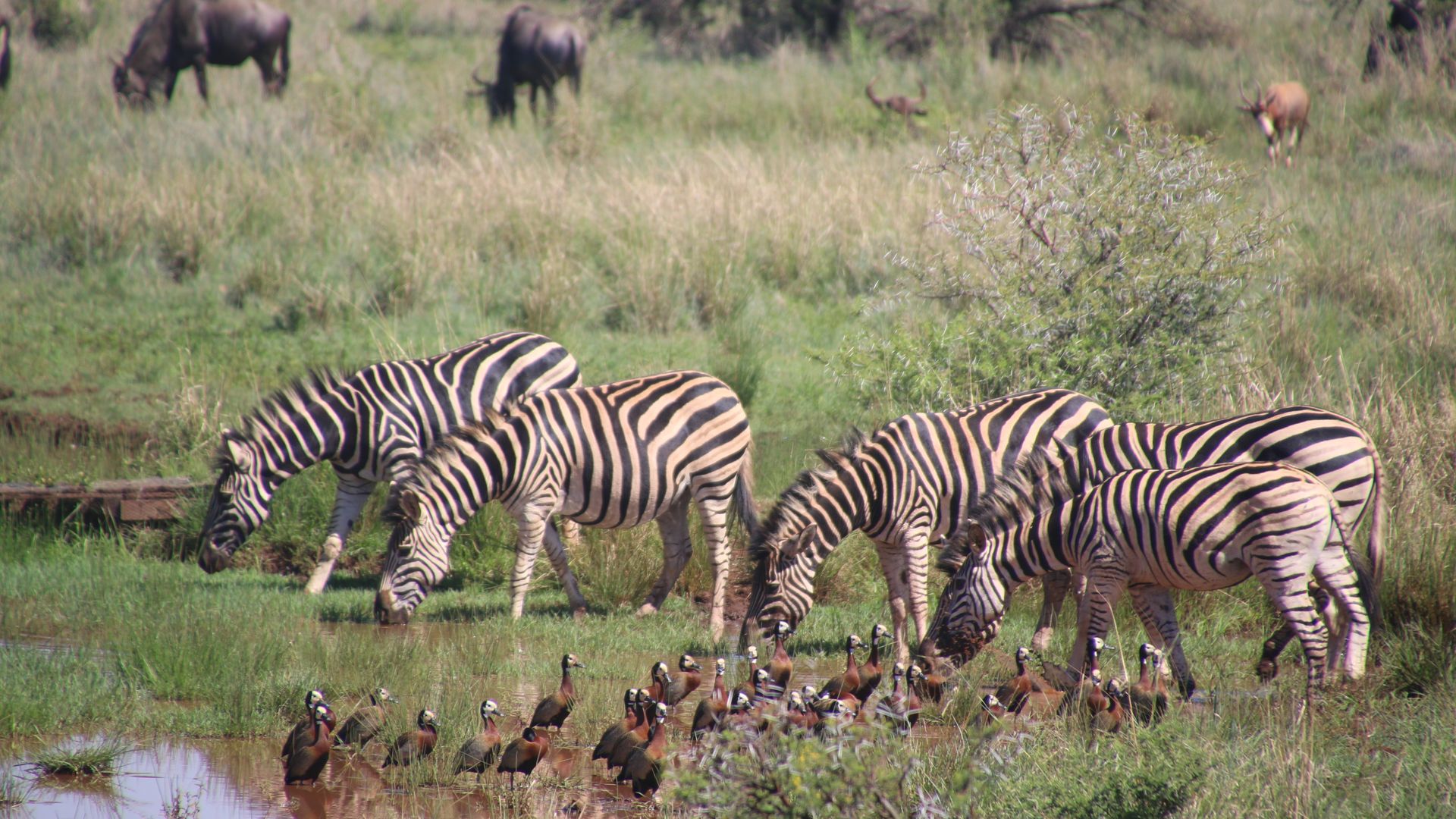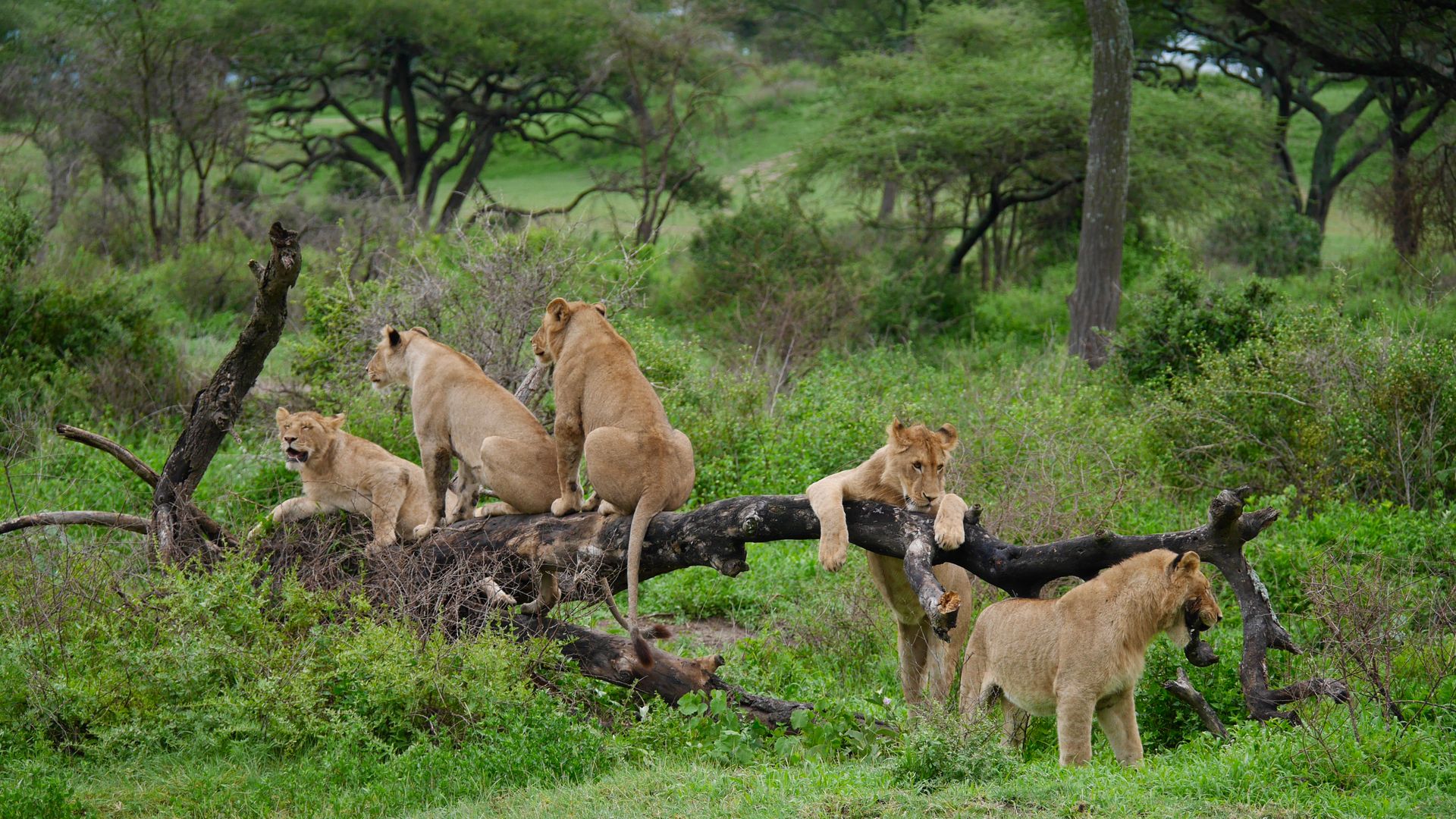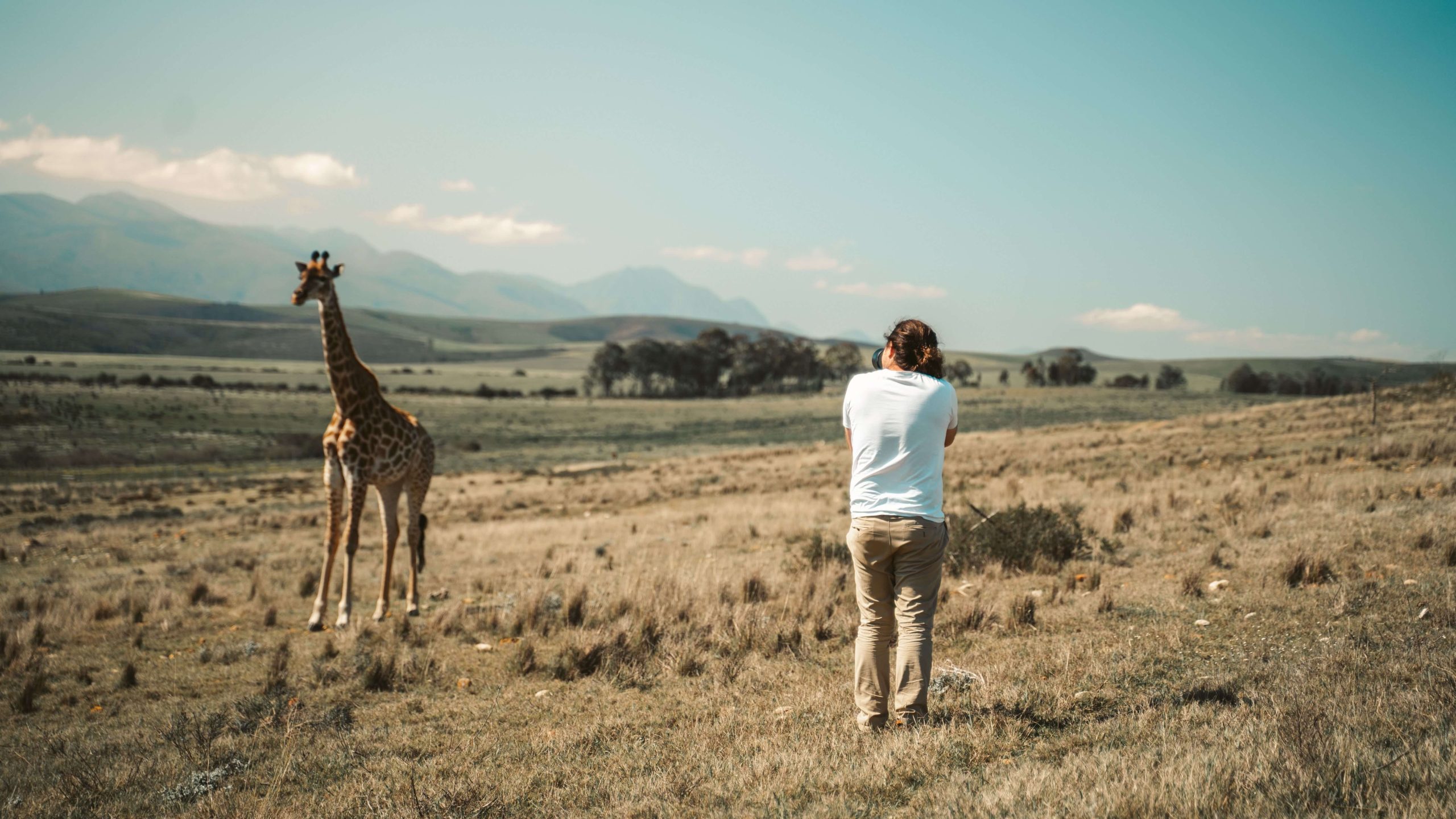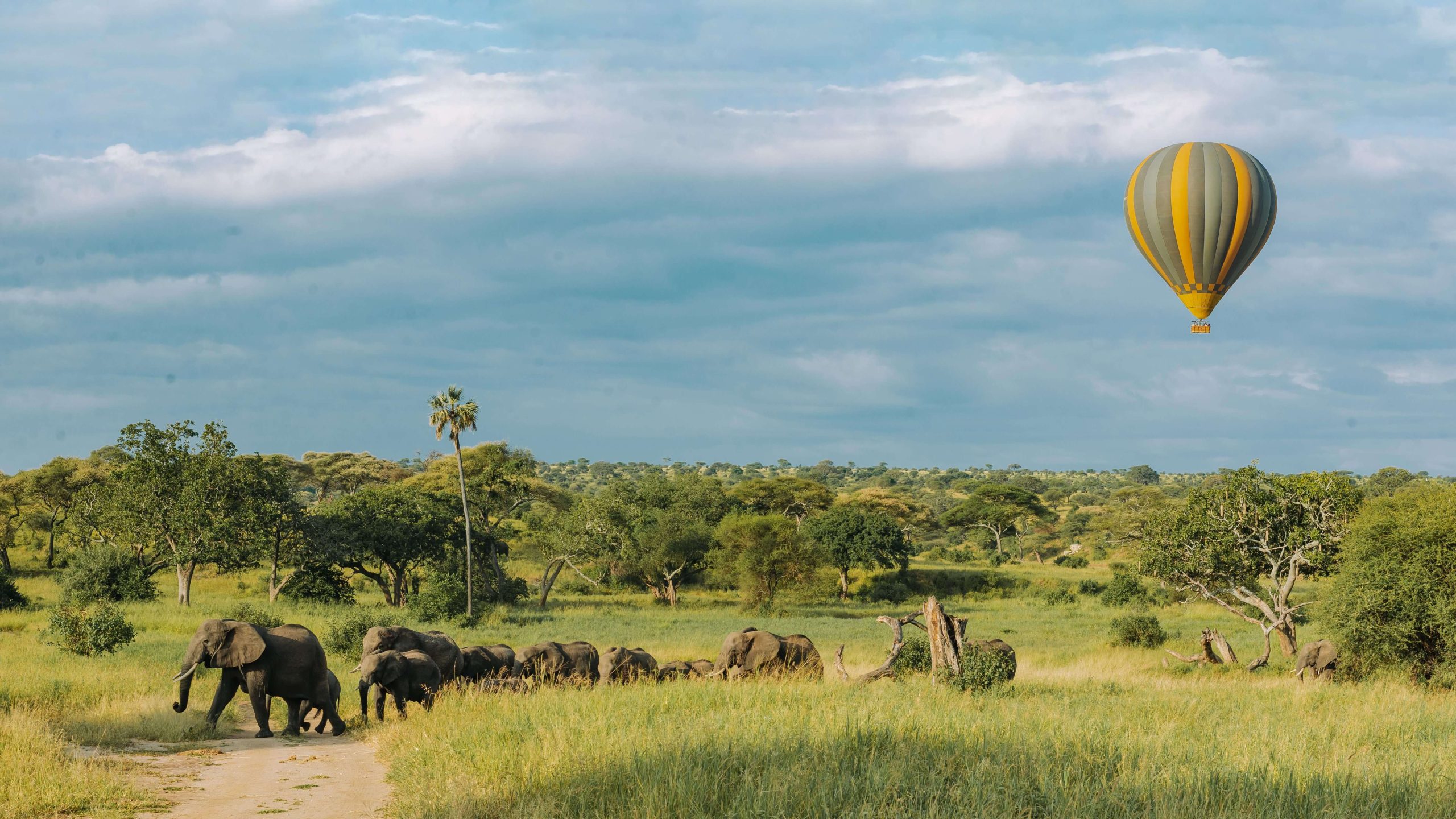

The Big Five — lion, leopard, elephant, black rhino, and Cape buffalo — can realistically be checked off in a single trip by combining Ngorongoro Crater, Central Serengeti, and Tarangire National Park. The tightest odds run from June through September and again in January and February, when short grass and concentrated water sources pull every species into view.
The Insider Trade-Off: Ngorongoro Crater is the only place in Tanzania where a guest has a realistic shot at all five animals in one game drive, and camp managers on the rim will tell you that directly. The trade-off is steep: crater floor permits are capped, vehicle traffic clusters around known rhino and lion sightings by mid-morning, and rim lodges charge some of the highest per-night rates in East Africa. Guides who work the crater weekly generally recommend a 6 AM descent, ahead of the tour-vehicle convoy, as the only way to buy quiet time with the animals before the crowds arrive.
Why "Big Five" Has Nothing to Do With Size
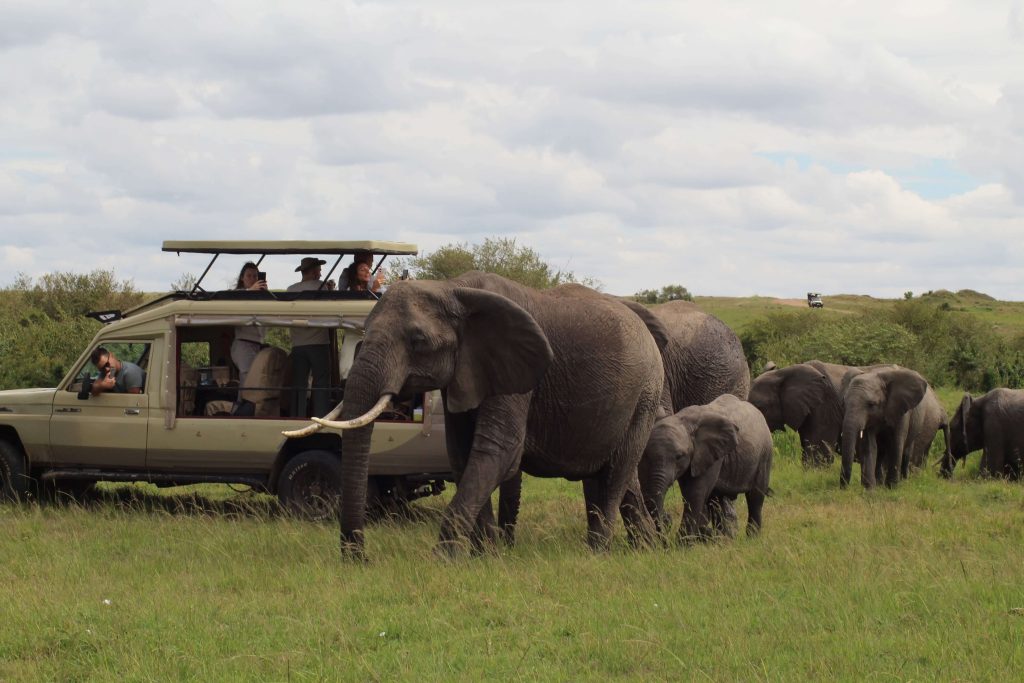
The phrase comes from 19th-century big-game hunters, who ranked lion, leopard, elephant, rhino, and buffalo as the five most dangerous animals to hunt on foot — not the five largest. A hippo or giraffe dwarfs a leopard, but neither made the list, because the ranking was built around risk to the hunter, not body mass. That hunting-era framing still shapes how modern guides brief clients: buffalo and rhino are approached with more caution than their size alone would suggest, since both are known for aggressive, fast charges when startled.
Best Time to Visit for Big Five Sightings
Timing determines more of your Big Five success rate than which lodge you book. Grass height, water distribution, and calving season all shift where predators and prey concentrate month to month.
January – February: Calving Season Predator Action
Short grass on the southern Serengeti plains coincides with wildebeest calving, and predator sightings spike as lions and cheetahs shadow the herds. Ngorongoro Crater stays productive year-round regardless of the migration's location. Lodge pricing sits in the mid-range shoulder season, below the July–September peak.
March – May: The Green Season Discount Window
Heavy rains thin out tourist numbers dramatically, and lodges in the Serengeti and Tarangire drop rates by 30–40% compared to peak months. Game viewing gets harder in tall grass, particularly for leopard and rhino spotting, though elephant and buffalo herds remain easy to track. Photographers who prioritize dramatic storm-light skies over guaranteed sightings favor this window.
June – July: Migration Movement and Rising Crowds
The wildebeest migration begins pushing north through Central Serengeti, drawing lion prides that follow the herds through the Seronera Valley kopjes. Grass shortens as the dry season sets in, improving visibility for all five species. Crater and Tarangire lodge rates climb toward peak pricing as booking windows tighten.
August – September: Peak Big Five Season
This is the highest-odds stretch for a single-trip Big Five sweep — dry conditions push elephant and buffalo herds to permanent water sources in Tarangire, the Mara River crossings dominate Northern Serengeti, and the crater's rhino and lion populations remain concentrated on short grass. Expect the year's highest lodge rates and the fastest-selling balloon safari slots.
October – December: Short Rains and Returning Herds
Short, scattered rains green up the plains again as the migration moves back south through the Serengeti. Crowds thin noticeably after the September peak, and lodges often run short-stay promotions. December offers strong odds for newborn elephant and buffalo calves in Tarangire.
[Check Best Tanzania Safari Packages]
Where to Stay for Big Five Access
Camp location relative to the crater rim, the Seronera kopjes, or Tarangire's river system matters more than star rating for Big Five odds specifically. A beautifully appointed lodge an hour from the action still costs you prime early-morning viewing light.
Luxury: Rim-Edge and River-View Camps
Crater rim lodges built directly on the caldera edge cut your descent time to the crater floor by 20–30 minutes over properties set further back, which matters enormously for beating the tour-vehicle convoy to rhino sightings. In Central Serengeti, luxury tented camps positioned near the Seronera River corridor put leopard-heavy riverine forest within a 10-minute drive of camp. Expect private guides, flexible drive scheduling, and premium optics provided in-vehicle at this tier.
Mid-Range: Balanced Access Without Rim Pricing
Mid-range lodges set back from the crater rim by 15–20 minutes still allow an early crater floor descent while cutting nightly rates significantly against rim-edge luxury properties. In Tarangire, mid-range lodges along the river floodplain put elephant herds directly in view from camp common areas during the dry season. These properties typically run shared game-drive vehicles rather than private ones, which is the main trade-off against the luxury tier.
Authentic / Tented Camps: Traditional Bush Immersion
Classic canvas tented camps, often mobile or semi-permanent, follow the migration's seasonal position and put guests inside the actual predator-prey action rather than observing it from a fixed lodge. Guides at these camps tend to be long-tenured specialists who track individual lion prides and leopard territories by name across seasons. Expect fewer amenities — bucket showers, generator-limited power hours — in exchange for the closest possible proximity to wildlife movement.
| Category | Best For | Location Advantage | Typical Nightly Range |
|---|---|---|---|
| Luxury Rim/River Camps | First-time bucket-list travelers, honeymooners | Fastest crater descent or riverine leopard access | $900–$1,800+ |
| Mid-Range Lodges | Photographers, repeat safari travelers | Strong wildlife access at lower cost per night | $400–$800 |
| Authentic Tented Camps | Purists, migration followers | Mobile positioning tracks predator movement directly | $350–$700 |
[Check Best Tanzania Safari Packages]
Signature Experiences & Game Drives
Ngorongoro Crater Floor Descent
Vehicles typically queue at the crater gate before 6 AM to secure an early floor permit, since only a fixed number of vehicles are allowed onto the caldera floor at once. The descent road drops roughly 600 meters over 20–30 minutes, opening onto short grassland where black rhino, lion prides, and buffalo herds are frequently visible within the first hour. Guides recommend scanning the Lerai Forest tree line at dawn specifically for rhino silhouettes, since the animals often bed down in the grass margins overnight and are easiest to pick out before full daylight flattens the contrast.
Seronera Valley Leopard and Lion Circuit
Morning drives in Central Serengeti focus on the granite kopjes scattered through the Seronera Valley, where lions favor the elevated rock outcrops for both shade and vantage. Guides scan overhanging acacia and sausage tree branches specifically for a hanging tail or dangling carcass, the classic visual cue that a leopard has stashed a kill overnight. Midday drives shift toward riverine forest patches along the Seronera River, where leopards retreat during the heat, while evening circuits return to open grassland as lions become active again ahead of nightfall.
Tarangire Elephant Herds Among the Baobabs
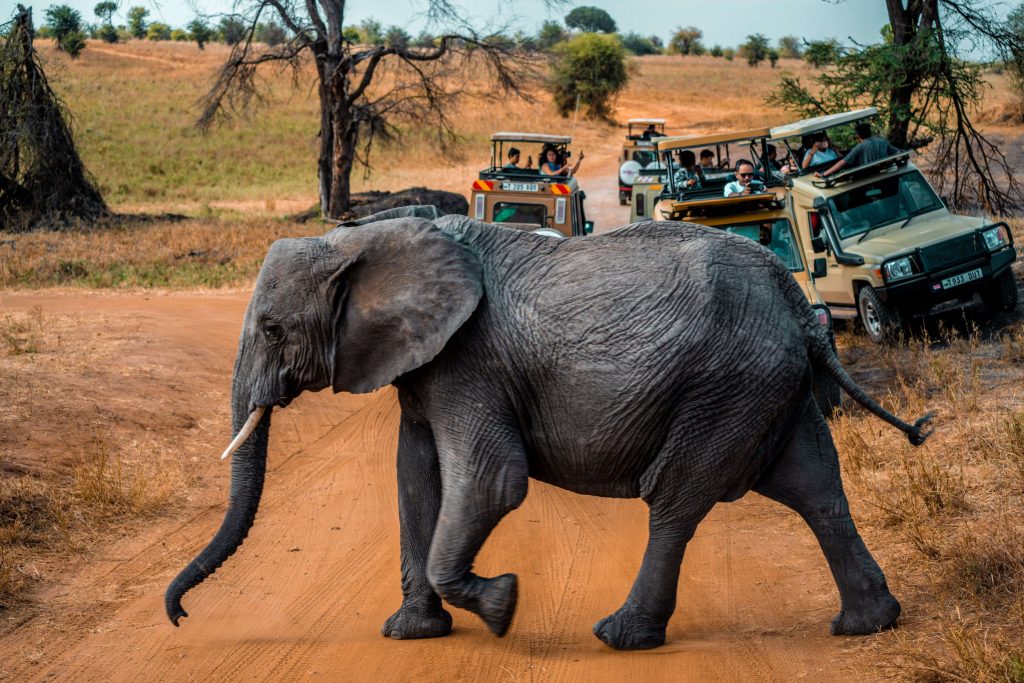
Dry-season drives concentrate along the Tarangire River, where elephant herds numbering 20 to 300 individuals gather at permanent water sources against a backdrop of centuries-old baobab trees. Morning circuits track herd movement toward water, midday drives often find buffalo bachelor groups resting in shaded riverine woodland, and evening drives catch elephants dust-bathing and mock-sparring as temperatures drop. Guides watch circling vultures throughout the day as a reliable secondary cue pointing toward a fresh lion kill elsewhere in the park.
Balloon Safari Over the Serengeti Plains
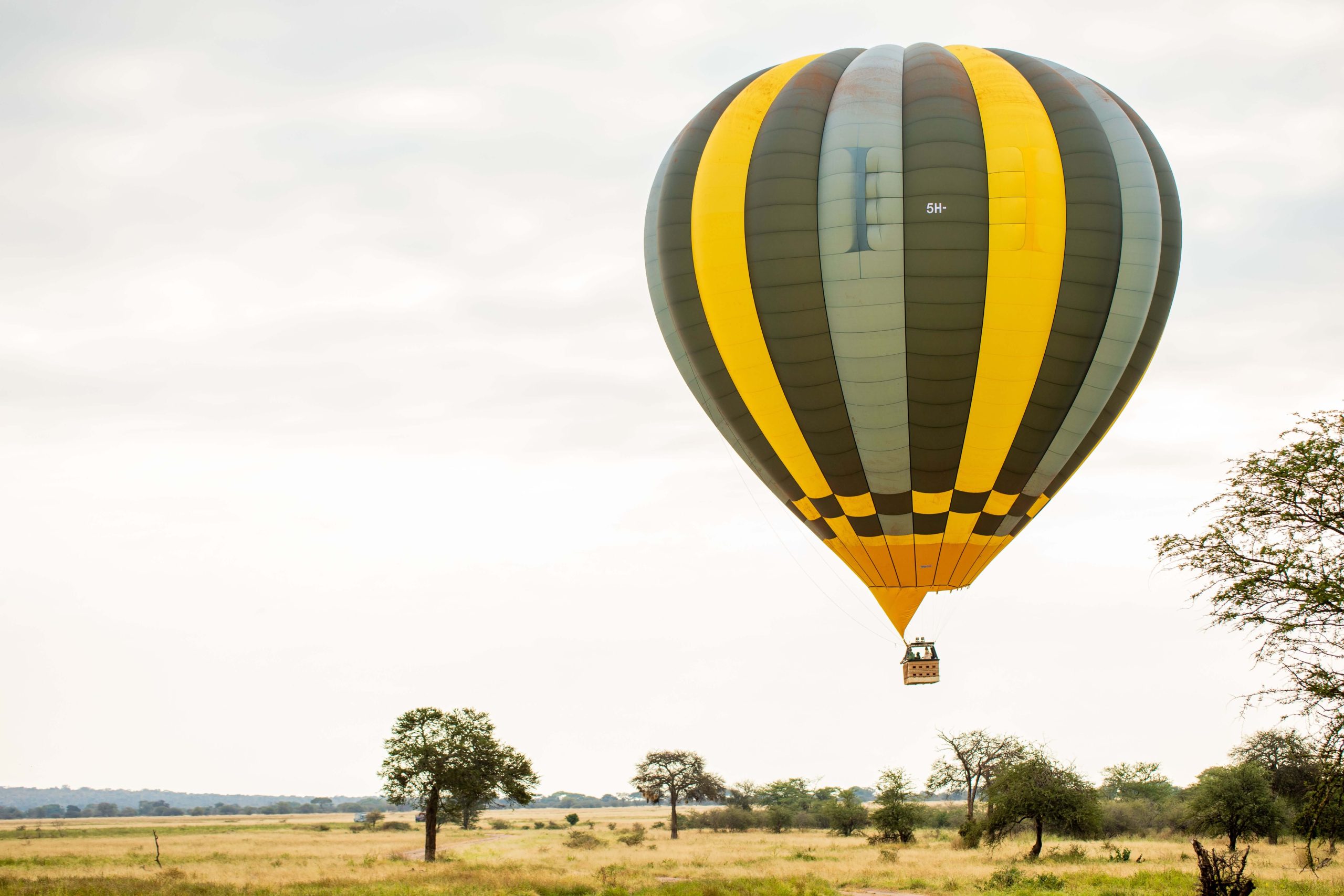
Pickup happens around 4 AM, well before sunrise, so guests can reach the launch site, watch the balloon inflate, and lift off right as first light breaks over the plains. The flight itself runs roughly 45 to 60 minutes at altitudes varying from just above the treetops to 1,000 feet or more, giving a completely different vantage on herd movement and predator positioning than any vehicle-based drive can offer. Landing is followed by a champagne bush breakfast set up in the field by camp staff, a signature touch that turns the flight into a half-day experience. Balloon slots are limited to roughly 16–20 passengers per launch and consistently sell out during the July–September peak, so booking 60–90 days ahead is standard guide advice.
Pro Tip: Book your crater floor permit and vehicle slot the night before through camp staff, and request the earliest available descent window — veteran guides consistently rank the 6–7 AM entry as the single biggest factor in seeing all five species before midday traffic clusters around known sightings.
The Black Rhino Reality Check
Black rhinos are, without question, the hardest of the Big Five to find anywhere in Tanzania. Decades of poaching pressure collapsed the population across East Africa, and the animals that remain are wary, low-density, and concentrated almost entirely in protected, closely monitored areas. Ngorongoro Crater holds the country's most reliable population specifically because the caldera's steep walls function as a natural barrier that has historically limited poaching access. Guests aiming for a genuine Big Five day should treat the crater as close to non-negotiable for the rhino leg of the checklist, since alternative parks offer meaningfully lower odds.
Logistics & Getting There
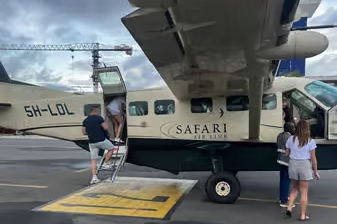
By Air: Scheduled Bush Flights
Most international travelers land at Kilimanjaro International Airport (JRO), the primary long-haul gateway, or fly in via Zanzibar (ZNZ) as part of a beach-and-safari combination itinerary. From either hub, scheduled light-aircraft services connect to bush airstrips serving the parks directly, including Seronera (SEU) for Central Serengeti and Kogatende for the northern Mara River region, plus Arusha (ARK) as a common domestic connection point. Dar es Salaam (DAR) serves as an alternative domestic hub for travelers routing through Tanzania's largest city before heading north.
By Road: Main Gate Routes and Drive Times
Most overland safaris enter the northern circuit through Naabi Hill Gate, the primary southern entrance to the Serengeti, after transiting Ngorongoro Conservation Area from Arusha. Approximate drive-time bullet points guides quote to clients:
- Arusha to Ngorongoro Crater rim: roughly 3.5–4 hours
- Ngorongoro Crater rim to Naabi Hill Gate (Serengeti): roughly 1.5–2 hours
- Naabi Hill Gate to Seronera (Central Serengeti): roughly 1–1.5 hours
- Arusha to Tarangire National Park gate: roughly 1.5–2 hours
- Seronera to Kogatende (Northern Serengeti): roughly 3–4 hours, road conditions dependent
Road transfers let travelers watch the landscape and habitat transition in real time, but they add substantial travel days against flying directly between bush airstrips, which is the core trade-off guides walk first-time clients through when building an itinerary.
What to Pack for Big Five Game Drives
Optics: Binoculars Built for Kopjes and Distance
A leopard draped across a branch 200 meters away, or a rhino outline in tall grass at dawn, both demand real magnification and light-gathering capability rather than a basic pair of compact binoculars. Guides consistently recommend at least 8x42 or 10x42 specifications, where the second number indicates a larger objective lens diameter that pulls in more usable light during the low-visibility dawn and dusk drives when predators are most active.
Dust-Proof Bags for Rough Roads
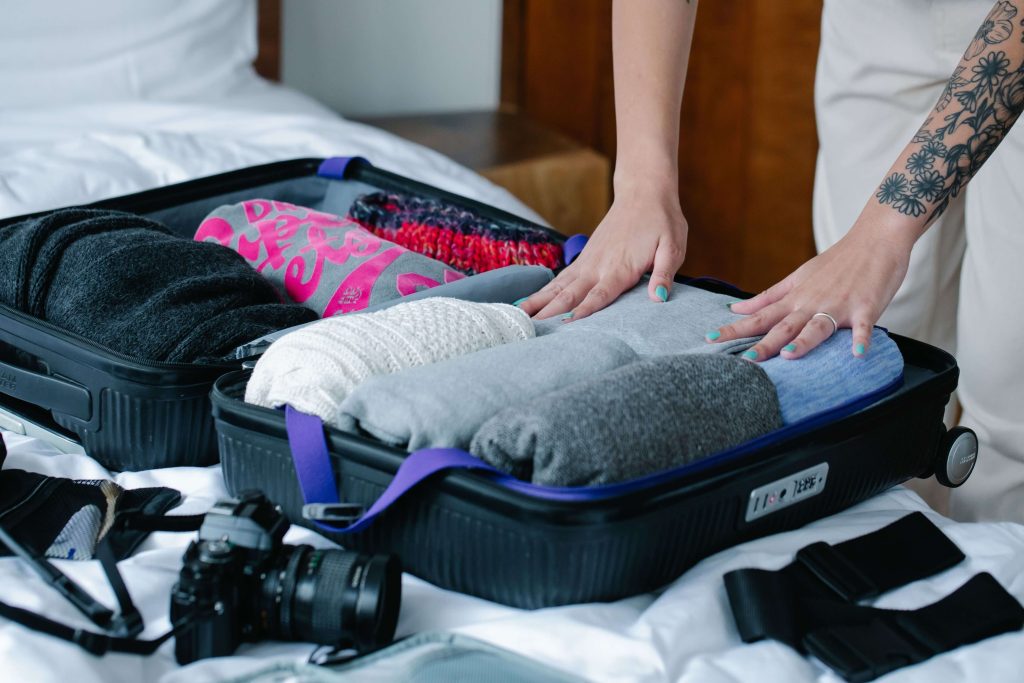
Crater and Serengeti track roads generate fine, persistent dust that works into standard camera bags and luggage zippers over a multi-day circuit. A sealed, dust-rated camera bag protects lenses and camera bodies from the grit that accumulates on open-vehicle game drives, where equipment sits exposed for hours at a time.
Thermal Layers for Open Dawn Drives
Crater rim and pre-dawn balloon safari temperatures regularly drop into the 40s Fahrenheit (single digits Celsius) before sunrise, a sharp contrast to the 80s F (high 20s C) midday heat on the plains below. Layered thermal wear that can be shed piece by piece as the morning warms is standard guide advice, since open-sided safari vehicles offer no wind protection during the coldest part of the drive.
Neutral-Toned Clothing and Sun Protection
Muted khaki, olive, and tan tones minimize disturbance to wildlife and avoid the insect attraction associated with dark blue and black fabrics in tsetse fly zones like Tarangire. A wide-brim hat, high-SPF sunscreen, and polarized sunglasses round out standard midday protection for multi-hour drives with limited shade.
FAQ
What is the best national park to see all Big Five animals in one day? Ngorongoro Crater offers the highest single-day odds for all five species due to its dense, concentrated wildlife population within a contained caldera. No other park in Tanzania comes close to matching that combination of density and accessibility in one game drive.
Why are black rhinos so hard to spot on safari? Historical poaching pressure crashed black rhino populations across East Africa, leaving only small, closely protected groups in a handful of locations. Ngorongoro Crater holds Tanzania's most reliable population, largely because the caldera's terrain has historically limited poacher access.
When is the best month for Big Five sightings in Tanzania? August and September generally offer the strongest overall odds, since dry conditions concentrate elephant, buffalo, and predator populations around permanent water sources. January and February run a close second, driven by calving-season predator activity on the southern plains.