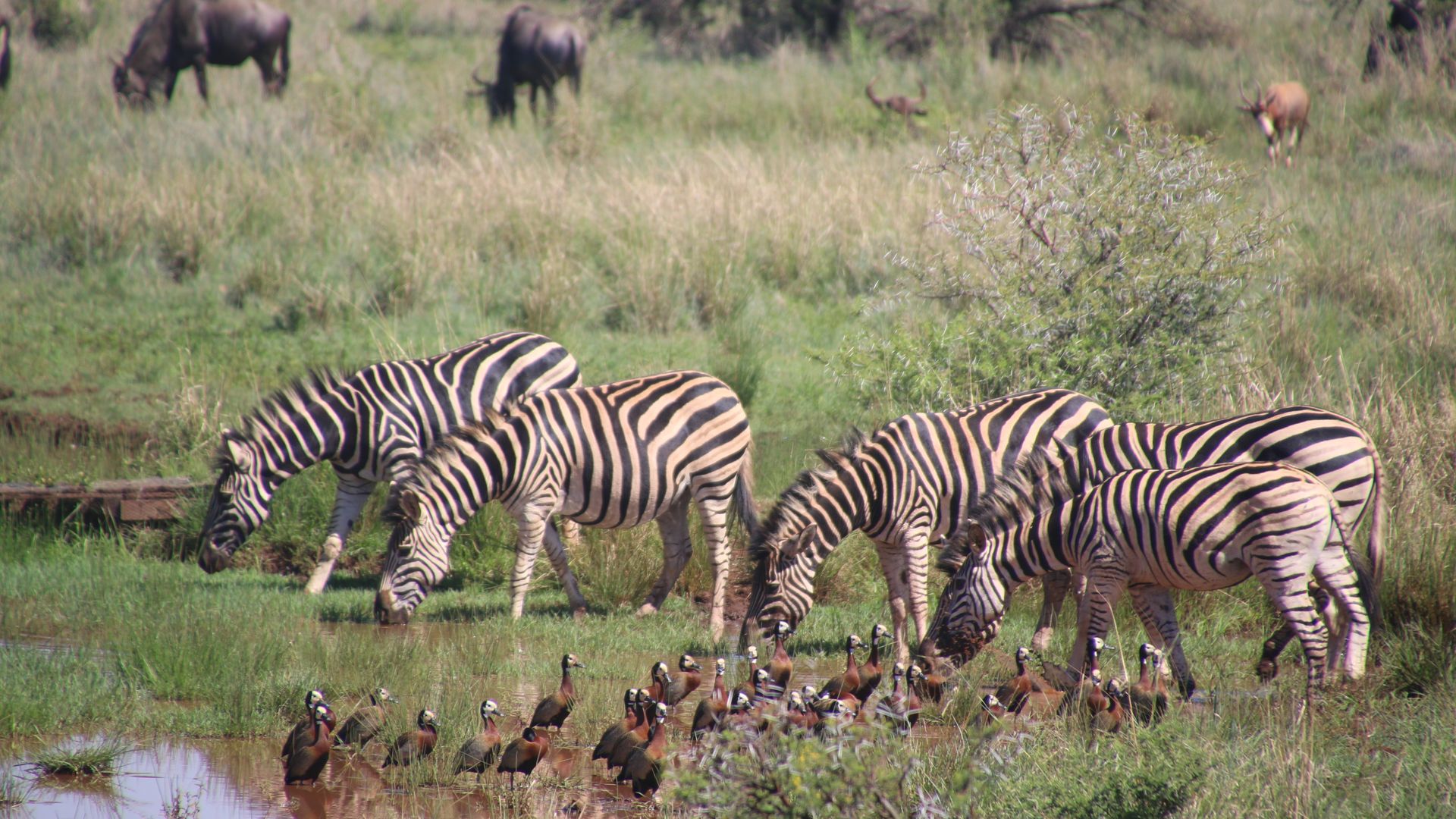

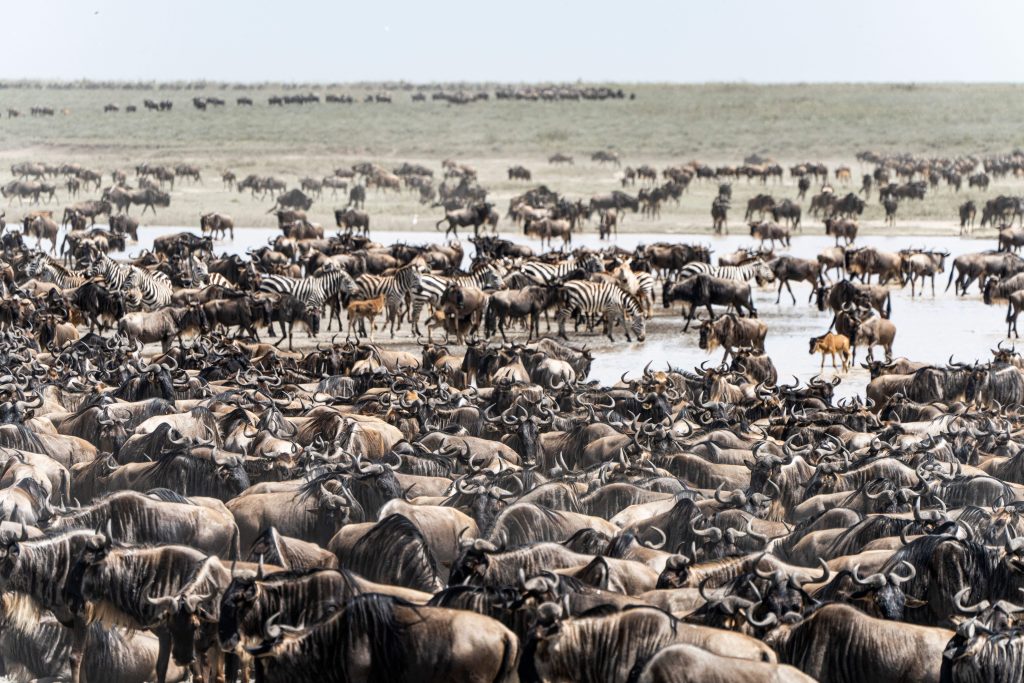
The Great Migration is the continuous, year-round movement of roughly 1.5 million wildebeest and 250,000 zebra circling the Serengeti-Mara ecosystem in search of fresh grass and water. There is no single "migration season" — the herds are somewhere in this 1,200-mile loop every day of the year, and where you should book depends entirely on which chapter of that loop you want to witness.
Pro Tip: If a booking agent promises you'll see a river crossing on a specific date, ask them what they're basing that on. Crossings depend on rainfall timing that shifts by two to four weeks most years, and anyone quoting an exact date is guessing.
The Year-Round Loop Reality (Why "Where Did the Migration Go?" Is the Wrong Question)
Here's the myth that trips up more first-time safari bookers than anything else: the idea that the migration is a single event that happens and then ends, after which the herds vanish until next year. They don't vanish. They walk.
The wildebeest and zebra move in a rough clockwise circuit through the Serengeti National Park in Tanzania and the Maasai Mara National Reserve in Kenya, chasing the rain and the short, nutrient-dense grass that follows it. Veteran Tanzanian guides often note that clients arrive expecting a single dramatic "migration week," and are surprised to learn the animals are grazing somewhere in the ecosystem on literally every single day of the calendar year.
- The full loop covers close to 1,900 km (1,200 miles).
- The herds are driven by rainfall, not by a fixed migratory instinct tied to dates.
- Every region of the ecosystem has its "migration season" — the trick is matching your travel dates to the right region, not asking "when is the migration."
Once you accept that the migration is a location problem, not a date problem, planning gets a lot easier.
View Serengeti Great Migration Packages:
The 4 Key Seasons and Where the Herds Actually Are
Ndutu Calving Season (January–March)
This is the least "famous" migration event to the average traveler, but field experts out of Ndutu will tell you it's arguably the most concentrated wildlife drama of the entire year. Between late January and early March, roughly 8,000 wildebeest calves are born daily across the short-grass plains of the Ndutu region and southern Serengeti.
- The short grass plains near Ndutu (technically inside the Ngorongoro Conservation Area, not the Serengeti proper) are calcium-rich, which is why the herds return here to give birth.
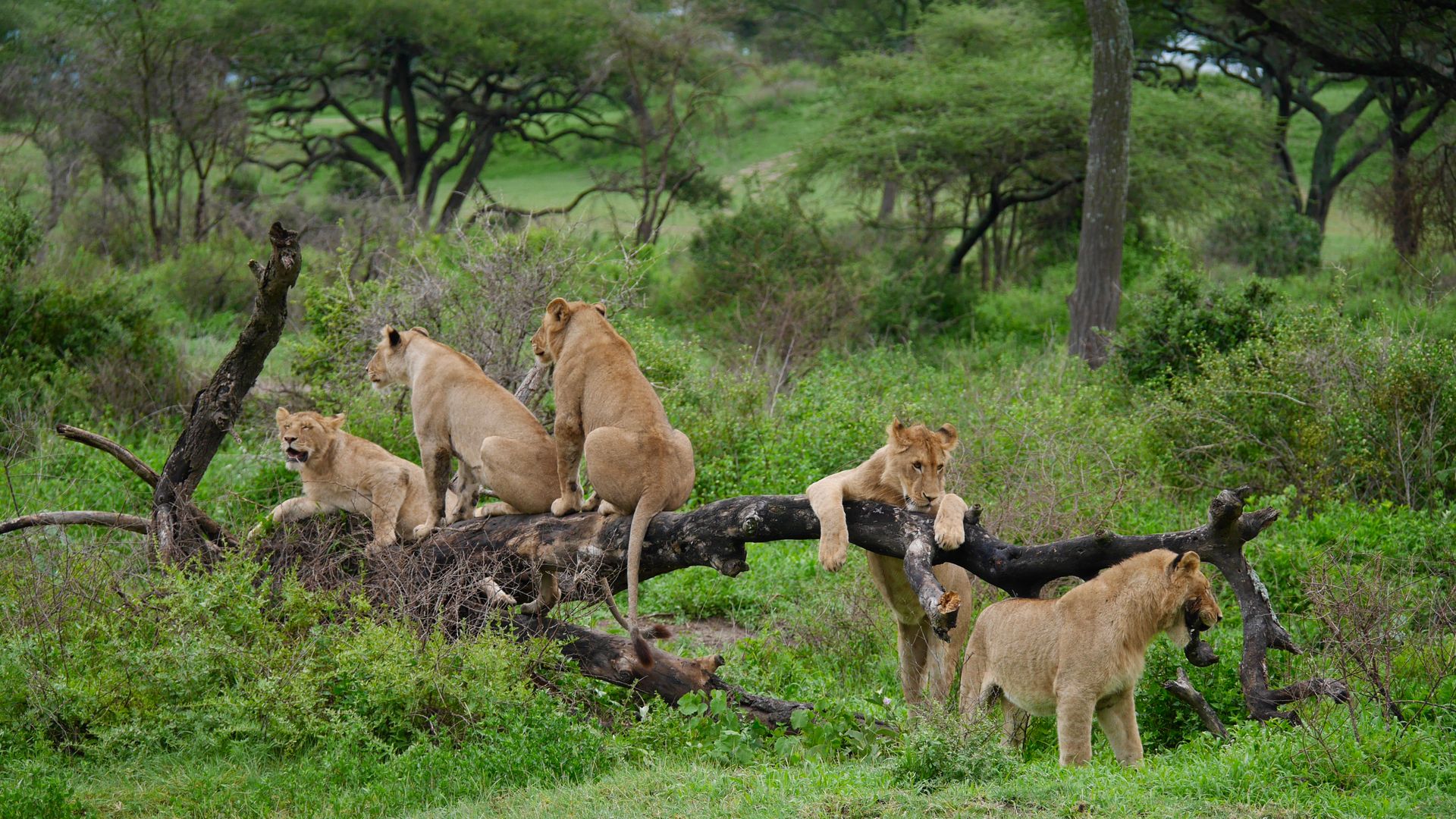
- Predator density spikes hard during this window. Lions, cheetahs, and hyenas time their own reproductive cycles around this calf glut.
- Calves are up and running within minutes of birth, but the first three weeks of life are when predation rates are highest — this is peak action for photographers.
- Access is typically via Kogatende or, more commonly for this southern zone, through the Naabi Hill Gate corridor from the eastern Serengeti, or directly from Arusha via light aircraft into airstrips like Kusini (KSN) or Ndutu itself.
Insider warning: the Ndutu plains sit outside the core Serengeti park boundary, in the Ngorongoro Conservation Area, which carries a separate conservation fee structure on top of standard park fees. Budget travelers sometimes get caught off guard by this at checkout.
Western Corridor and Grumeti (April–June)
As the short rains taper and the plains dry out, the herds push northwest into the Western Corridor toward the Grumeti River. This period overlaps with the rut — the wildebeest mating season — which adds a second layer of behavioral drama on top of the migration itself.
- Grumeti River crossings happen here, though they're smaller and less predictable than the famous Mara crossings further north.
- Nile crocodiles in the Grumeti are notably large-bodied, some of the biggest in the ecosystem, since they only feed intensively during this brief crossing window.
- April and May fall during the long rains, which means fewer tourists, lower rates, but genuinely difficult road conditions — expect deep mud on unpaved tracks between camps.
- Bird photographers tend to favor this window; migratory species overlap with resident raptors along the Grumeti's riverine forest.
| Season | Location | Peak Months | Key Draw | Crowd Level |
|---|---|---|---|---|
| Calving Season | Ndutu / Southern Serengeti | Jan–Mar | Newborn calves, predator action | Moderate |
| Rut & Western Push | Western Corridor / Grumeti | Apr–Jun | Grumeti crossings, mating behavior | Low |
| River Crossings | Northern Serengeti / Mara | Jul–Oct | Mara River crossings | High to Very High |
| Return South | Central Serengeti / Ndutu | Nov–Dec | Short rains, herds heading south | Low to Moderate |
Northern Serengeti River Crossings (July–October)
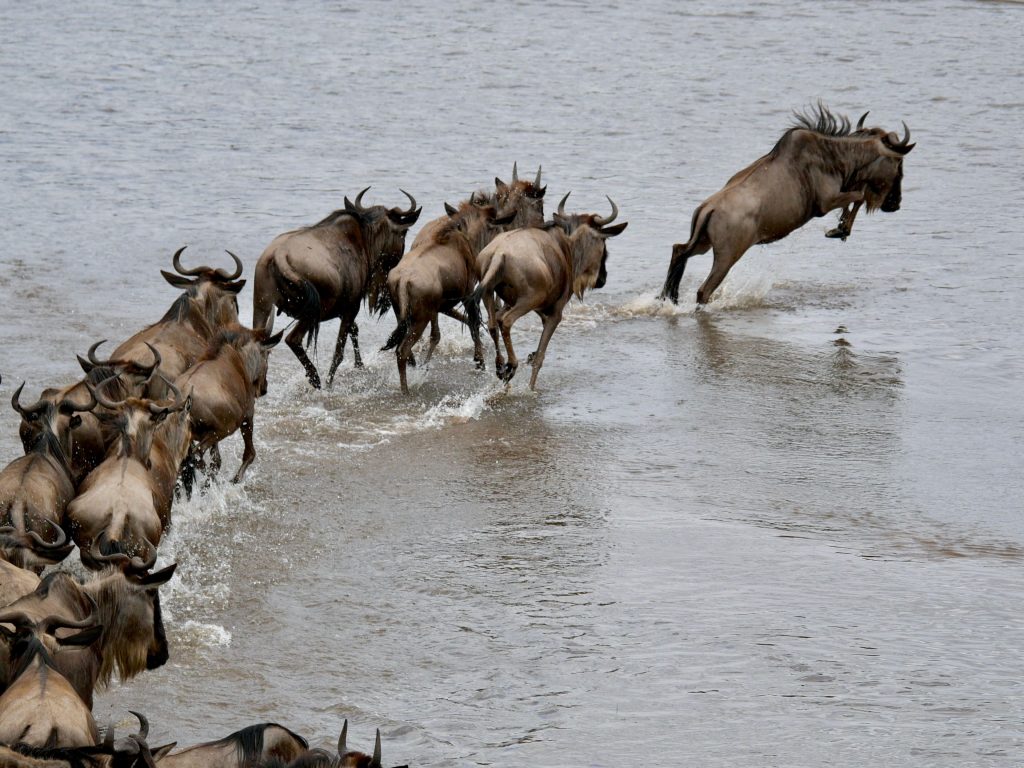
This is the window most people picture when they hear "Great Migration" — herds funneling toward the Mara River, hesitating at the water's edge for what can be hours, then surging across in a chaotic mass while Nile crocodiles wait in the current below.
- The crossing points cluster around Kogatende in the far north of the Serengeti, accessible via the Kogatende airstrip (KGT) or by road through Klein's Gate.
- Crossings are not scheduled events. Herds will approach a crossing point, mill around for hours or even days, and then either cross or turn back entirely, sometimes multiple times before committing.
- Steep, eroded banks at several crossing points cause genuine trampling injuries during a crossing — this isn't just a predation story, the terrain itself is dangerous for the herd.
- Vehicle congestion at popular crossing points (particularly near Kogatende and across into the Mara Triangle) is the single most common complaint field guides hear from returning guests. Dozens of vehicles can queue at a known crossing spot during peak weeks in August and September.
Insider warning: don't book a single-camp stay for this window expecting guaranteed crossing sightings. Guides who track herd movement daily can reposition, but a camp fixed in one spot for five nights might simply miss the action if the herds cross 20 km away.
Pro Tip: Ask your outfitter directly whether your camp is stationary or mobile before you book July through October. A camp that relocates with the herd will cost more but dramatically raises your odds of witnessing an actual crossing.
The Return South (November–December)
The short rains arrive in November, and the herds begin drifting back south through Central Serengeti — the Seronera region — toward the Ndutu plains, closing the loop before calving season starts again.
- Seronera, accessible via its own airstrip (SEU), sees a secondary wave of predator activity as resident lion prides intercept the returning herds.
- This window is underrated for value travelers: rates drop from peak-season pricing, but wildlife density in Central Serengeti stays consistently high year-round regardless of migration timing.
- Road conditions are generally more forgiving here than during the April–May long rains, since short rains tend to be brief afternoon downpours rather than sustained soaking.
[Check Best Tanzania Safari Packages]
Stationary vs. Mobile Tented Camps: Why It Matters More Than You Think
This is one of the most consequential and least understood booking decisions first-timers make, and it's specific to how the migration actually moves.
A stationary lodge or permanent tented camp sits in one location year-round. It's comfortable, often has permanent plumbing and structures, and works fine for calving season or the return south when herd movement within a region is relatively predictable. But during the Western Corridor and Northern Serengeti windows, a fixed camp can end up 40+ km from where the action is happening on any given day.
Mobile tented camps, by contrast, are built to be dismantled and relocated — often two to four times a year — following the herds as they move between the Western Corridor, Northern Serengeti, and back. Guest feedback from travelers who've done both consistently favors mobile camps for July through October specifically, even though the trade-off is more basic facilities (bucket showers, no permanent power in some cases).
- Choose stationary lodges for: calving season, the return south, or trips prioritizing comfort over chasing exact crossing action.
- Choose mobile camps for: July–October river crossing trips, especially for photographers who want daily repositioning based on real-time herd reports.
- Ask specifically how often camp staff receive herd location updates — reputable mobile operators communicate with a network of guides and pilots daily.
Managing Crowds at the Crossings
Vehicle congestion is the honest downside nobody puts on the brochure. At the most photogenic Mara River crossing points during August and September, it's common to see 20, 30, sometimes more vehicles parked along the bank waiting for a crossing to begin.
A few practical realities worth knowing before you go:
- The Mara Triangle (managed separately from the rest of the Maasai Mara Reserve) enforces stricter vehicle limits per sighting than some other sectors, which can mean a better experience despite higher park fees.
- Early departure times matter enormously. Guides who leave camp before sunrise consistently reach crossing points before the queue builds.
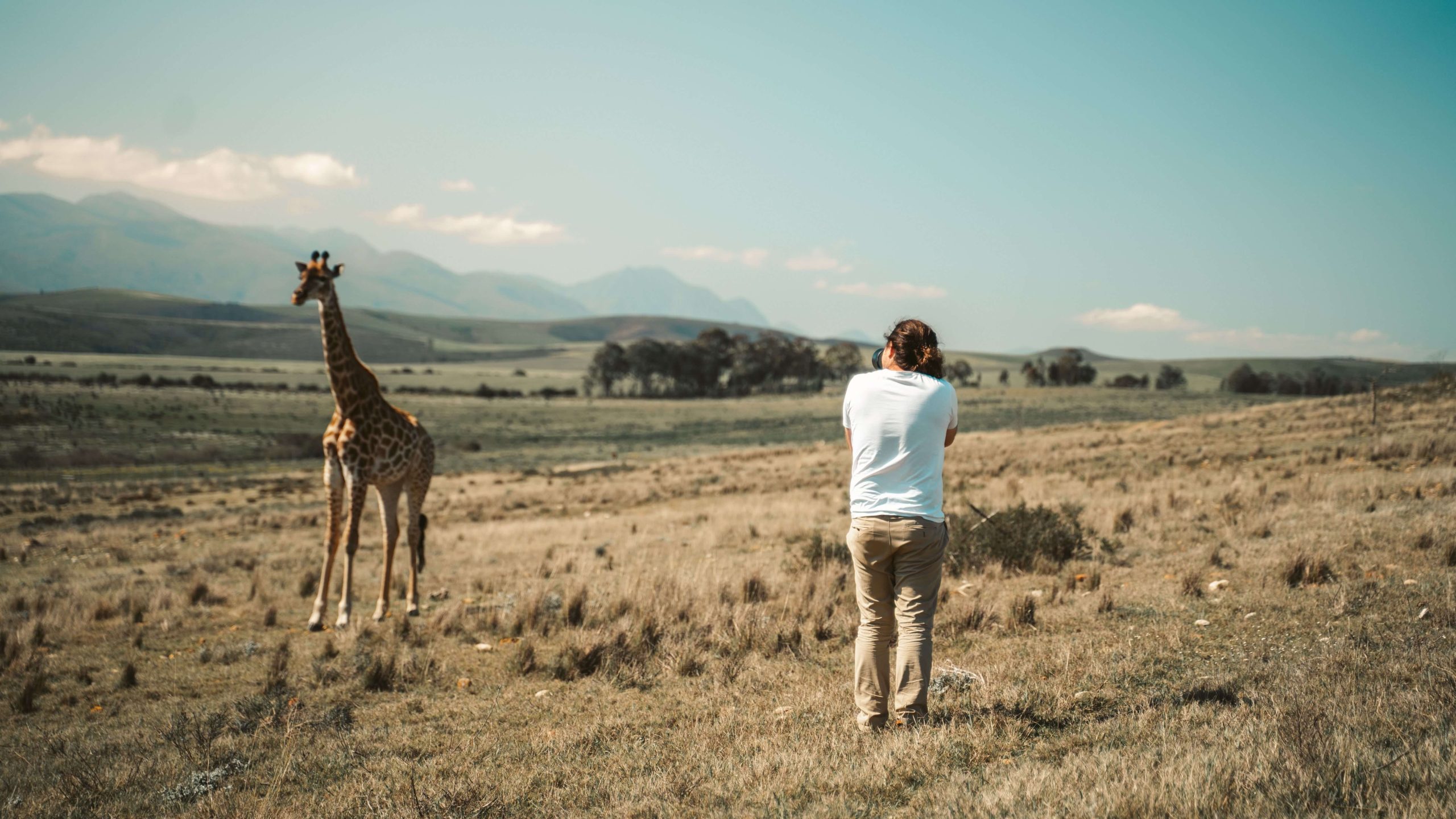
- Off-vehicle photography is generally not permitted at crossing points for safety reasons, so plan your gear setup (lenses, bean bags, stabilization) around shooting from within the vehicle.
- Some outfitters now offer small-group or private vehicle bookings specifically to avoid shared-vehicle queuing frustration — worth the upcharge for serious photographers.
Quick Packing Notes for Migration Season Travel
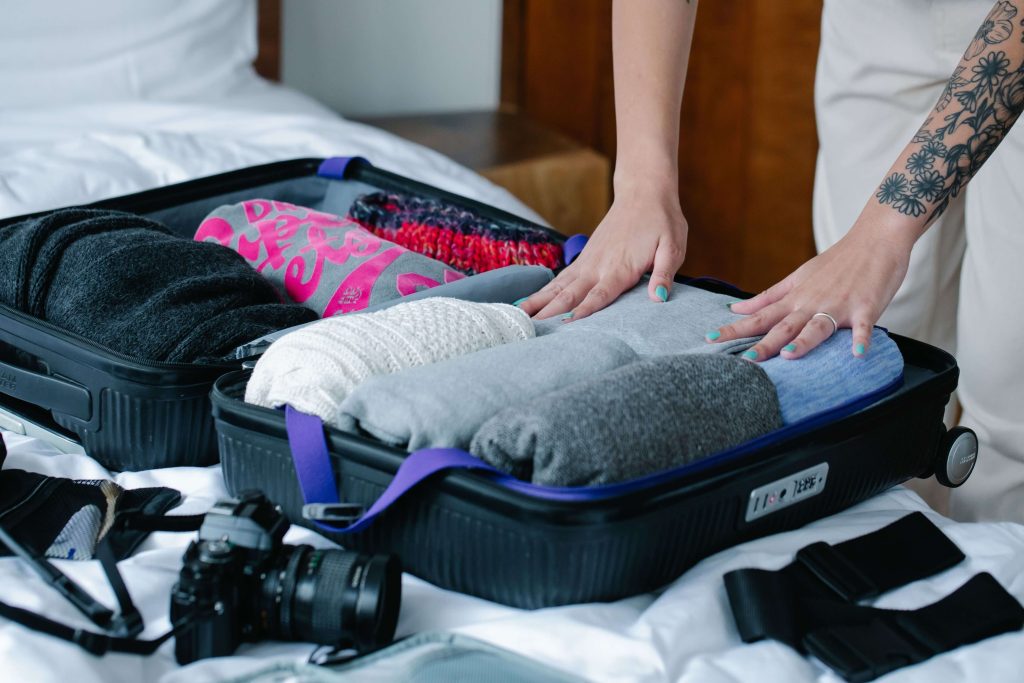
Dust, sun exposure, and unpredictable rain all factor into what you actually need in the vehicle, regardless of which season you're booking.
- Neutral-toned clothing (khaki, olive, tan) reduces both tsetse fly attraction and visibility to skittish wildlife.
- A dust-proof camera bag is non-negotiable in the dry months (July–October); fine Serengeti dust works its way into everything.
- Binoculars in the 8x42 range balance magnification with a wide enough field of view to track fast-moving herd behavior.
- A high-capacity power bank matters more than people expect — many camps run generators on limited schedules, and long game drive days drain camera batteries fast.
Frequently Asked Questions
When is the best time to see the Great Migration river crossings? Late July through September gives the highest odds of witnessing a Mara River crossing, though exact dates shift year to year based on rainfall. Booking a mobile camp during this window significantly improves your chances over a fixed lodge.
Is the Great Migration only in the Serengeti? No — the migration is a single continuous loop spanning both Tanzania's Serengeti and Kenya's Maasai Mara. Which country you should book depends on the month, since the herds spend roughly nine months in Tanzania and three in Kenya.
Can you see the Great Migration year-round? Yes, since the herds are always somewhere in the 1,200-mile ecosystem loop, there's no "off season" for seeing wildebeest and zebra generally. What changes by season is which specific behavior — calving, rutting, or river crossings — you'll witness.