
A Serengeti safari means tracking the Great Migration and the Big Five across 14,763 sq km of protected Tanzanian savanna, and the honest answer to almost every planning question comes down to timing your trip around the migration's location and booking through an operator who knows the concession-versus-park trade-offs. Below, every major question first-time and repeat travelers ask about the Serengeti is answered in full, drawing on guide interviews, TANAPA data, and feedback from thousands of past guests.
Insider Warning: Tanzania's park entry fees (roughly $82 per adult per 24-hour period) and 18% VAT on non-resident tourism services are frequently left out of quoted safari prices by budget operators, only to appear as a surprise on your final invoice. Always ask whether a quote is "all-inclusive" of TANAPA fees, VAT, and concession fees before you book, and compare real itineraries side-by-side so you're comparing true landed costs, not teaser rates.
Serengeti vs. Other Safari Destinations
Serengeti or Maasai Mara: Which is better for a first-time safari?
Neither park is objectively "better" — they're two halves of the same migration ecosystem, split by an international border. The Serengeti (14,763 sq km) is roughly eight times the size of the Maasai Mara (1,510 sq km), so it offers more space, fewer vehicles per sighting, and a longer migration season to plan around.
The Mara wins on shorter flight times from Nairobi and a concentrated window (July–October) for dramatic Mara River crossings. First-timers who want variety — kopjes, endless plains, forested corridors, and the Ngorongoro Crater nearby — generally do better starting in Tanzania.
| Factor | Serengeti (Tanzania) | Maasai Mara (Kenya) |
|---|---|---|
| Size | 14,763 sq km | 1,510 sq km |
| Migration season | Year-round (moves through park) | Concentrated July–October |
| Vehicle density | Lower, especially outside Seronera | Higher, especially near river crossings |
| Nearby add-ons | Ngorongoro Crater, Tarangire, Zanzibar | Lake Nakuru, Amboseli |
| Typical entry point | Arusha / Kilimanjaro (JRO) | Nairobi (NBO) / Wilson (WIL) |
Is it better to fly or drive between Masai Mara and Serengeti?
Flying is almost always the better choice for combining both parks in one trip. The road route crosses the Isebania/Sirari border post and can take 8–10 hours on a mix of paved and rough roads, whereas scheduled light-aircraft connections cut that to under two hours in the air.
Driving does let you see rural Tanzania and Kenya up close, and it's meaningfully cheaper if your budget is tight. Most mid-range and luxury itineraries we build use small charter or scheduled flights (via carriers like Auric Air or Coastal Aviation) between the two ecosystems to maximize game-viewing time.
What can you expect in terms of wildlife sightings at Kruger National Park compared to other popular safari destinations like the Serengeti?
Kruger National Park in South Africa is excellent for self-drive convenience and consistent Big Five sightings year-round, thanks to its extensive paved and gravel road network and malaria-lower southern sections. It does not, however, host anything resembling the Great Migration — its herbivore populations are resident, not migratory, so the sheer volume and drama of a wildebeest crossing simply isn't part of the Kruger experience.
The Serengeti trades some of that drive-yourself convenience for scale: bigger herds, wider unbroken plains, and a migration spectacle Kruger cannot replicate. Photographers chasing predator-prey action at river crossings should prioritize the Serengeti-Mara ecosystem; travelers who want a flexible, fly-in-and-self-drive trip often prefer Kruger.
How does a safari in Serengeti compare to Chobe National Park in Botswana?
Chobe National Park is famous for its elephant density along the Chobe River — some estimates put the local population above 50,000 elephants — and for boat-based game viewing that the Serengeti simply doesn't offer. Botswana's low-volume, high-cost tourism model also means fewer vehicles per sighting than you'll find near Seronera in peak season.
The Serengeti counters with the migration and vastly larger predator numbers, particularly lions and cheetahs hunting on open plains. Travelers prioritizing water-based wildlife (elephants, hippos, crocodiles) may prefer Chobe; those chasing the migration or classic big-cat action should stay focused on the Serengeti-Mara corridor.
What the Serengeti Actually Is
What is the Serengeti National Park?
The Serengeti National Park is a 14,763 sq km UNESCO World Heritage Site in northern Tanzania, gazetted in 1951, protecting open grassland plains, acacia woodland, and riverine forest that support over 70 large mammal species and roughly 500 bird species. It forms the core protected area of the wider Serengeti ecosystem and is managed by the Tanzania National Parks Authority (TANAPA).
What is the difference between Serengeti National Park and the Serengeti Ecosystem?
The Serengeti National Park is the legally gazetted core reserve covering 14,763 sq km. The Serengeti Ecosystem is much larger — around 30,000 sq km — and includes the park plus surrounding protected areas like the Ngorongoro Conservation Area, Maswa Game Reserve, Ikorongo and Grumeti Game Reserves, and Kenya's Maasai Mara National Reserve, all of which the migrating herds move through freely regardless of administrative boundaries.
What type of ecosystem is the Serengeti?
The Serengeti is a savanna grassland ecosystem, characterized by short-grass plains in the southeast (rich volcanic soils from Ngorongoro's ash), long-grass plains and acacia woodland further north and west, and riverine forest corridors along the Grumeti and Mara Rivers. This mix of open grassland and wooded transition zones is exactly what supports both grazing herds and the predators that follow them.
What does the word "Serengeti" mean?
"Serengeti" comes from the Maasai word siringet, generally translated as "the place where the land runs on forever" or "endless plains." Guides in the region consistently point to this description as the most accurate one-line summary of what first-time visitors actually experience standing on the southern plains.
How big is the Serengeti National Park?
The park covers 14,763 sq km — roughly the size of Northern Ireland or the U.S. state of Connecticut. For context, that's about eight times the size of the Maasai Mara and larger than several entire African countries' combined national park systems.
Why are granite kopjes important in the Serengeti?
Kopjes (pronounced "copies") are ancient granite rock outcrops, some over 500 million years old, that rise abruptly from the plains and function as ecological islands. They provide shade, denning sites, and elevated lookout points for lions, leopards, and rock hyraxes, and Seronera's kopjes in particular are among the most reliable lion-sighting locations in the entire park.
Are the Big Five animals present in the Serengeti?
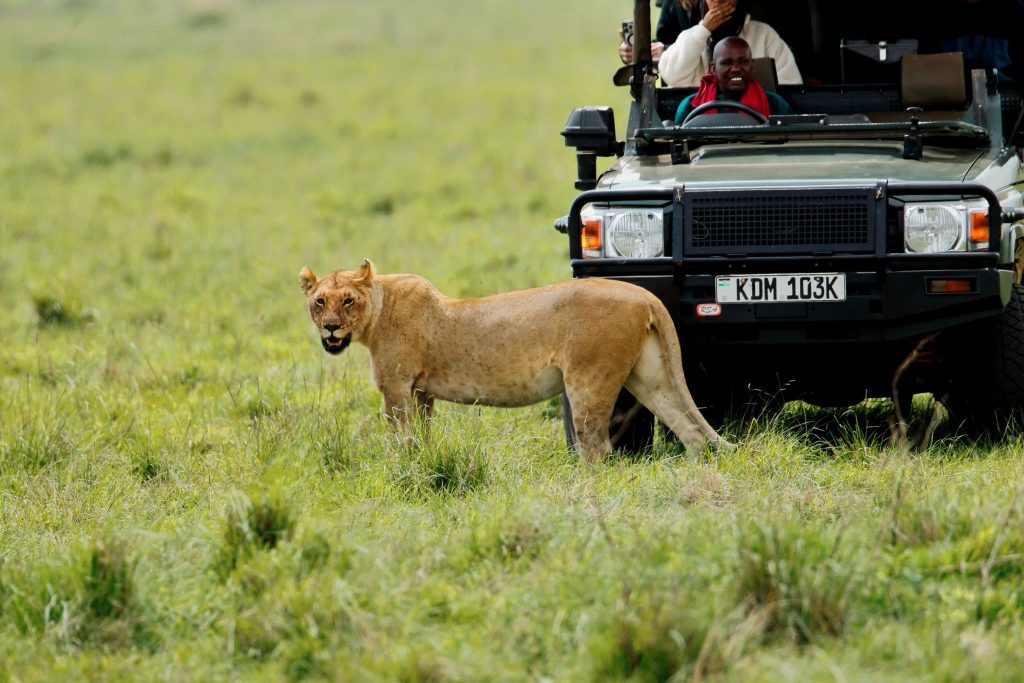
Yes, though with one caveat: lion, leopard, elephant, and African buffalo are commonly seen year-round, while black rhino are extremely rare, confined mainly to the Moru Kopjes area with a population estimated at under 70 individuals. Guests hoping to complete the Big Five in a single trip should set expectations accordingly and consider pairing the Serengeti with Ngorongoro Crater, which has better rhino odds.
Can you see mountain gorillas or chimpanzees in the Serengeti?
No. The Serengeti's habitat is open savanna, not the montane and lowland rainforest that gorillas and most chimpanzee populations require. Chimpanzees can be tracked in Tanzania at Gombe Stream or Mahale Mountains National Park on Lake Tanganyika, and mountain gorillas require a separate trip to Rwanda's Volcanoes National Park or Uganda's Bwindi Impenetrable Forest — neither is combinable with a Serengeti circuit in a short trip.
The Great Migration, Explained
What is the Serengeti Great Migration? What is the best time to witness the migration?
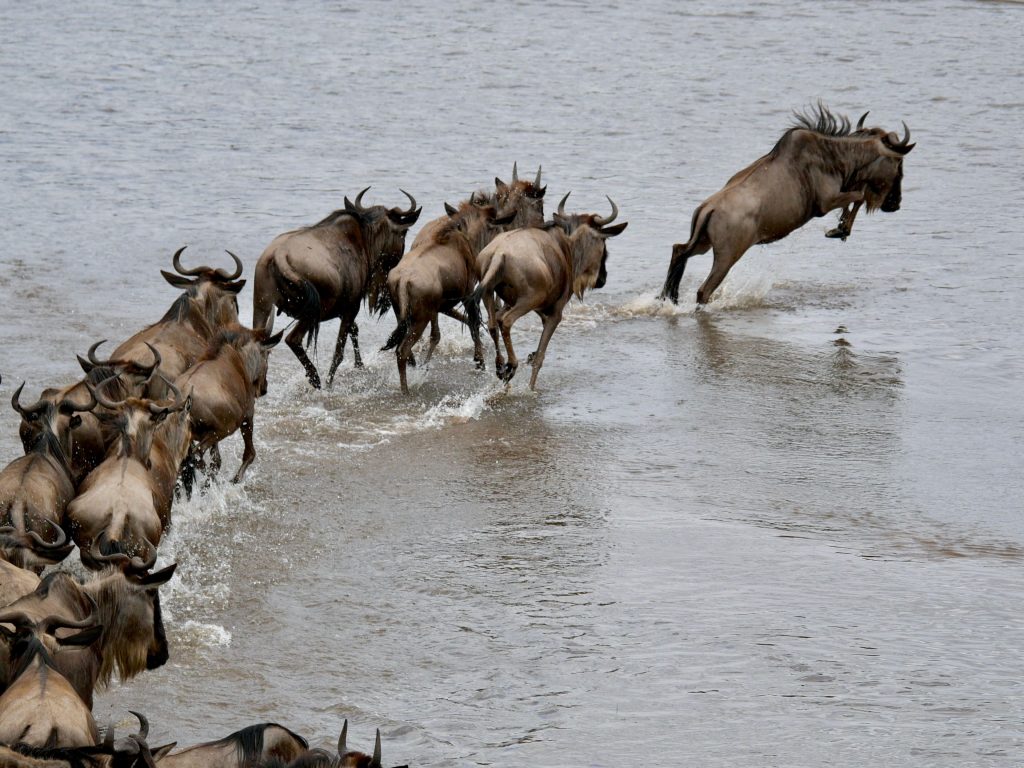
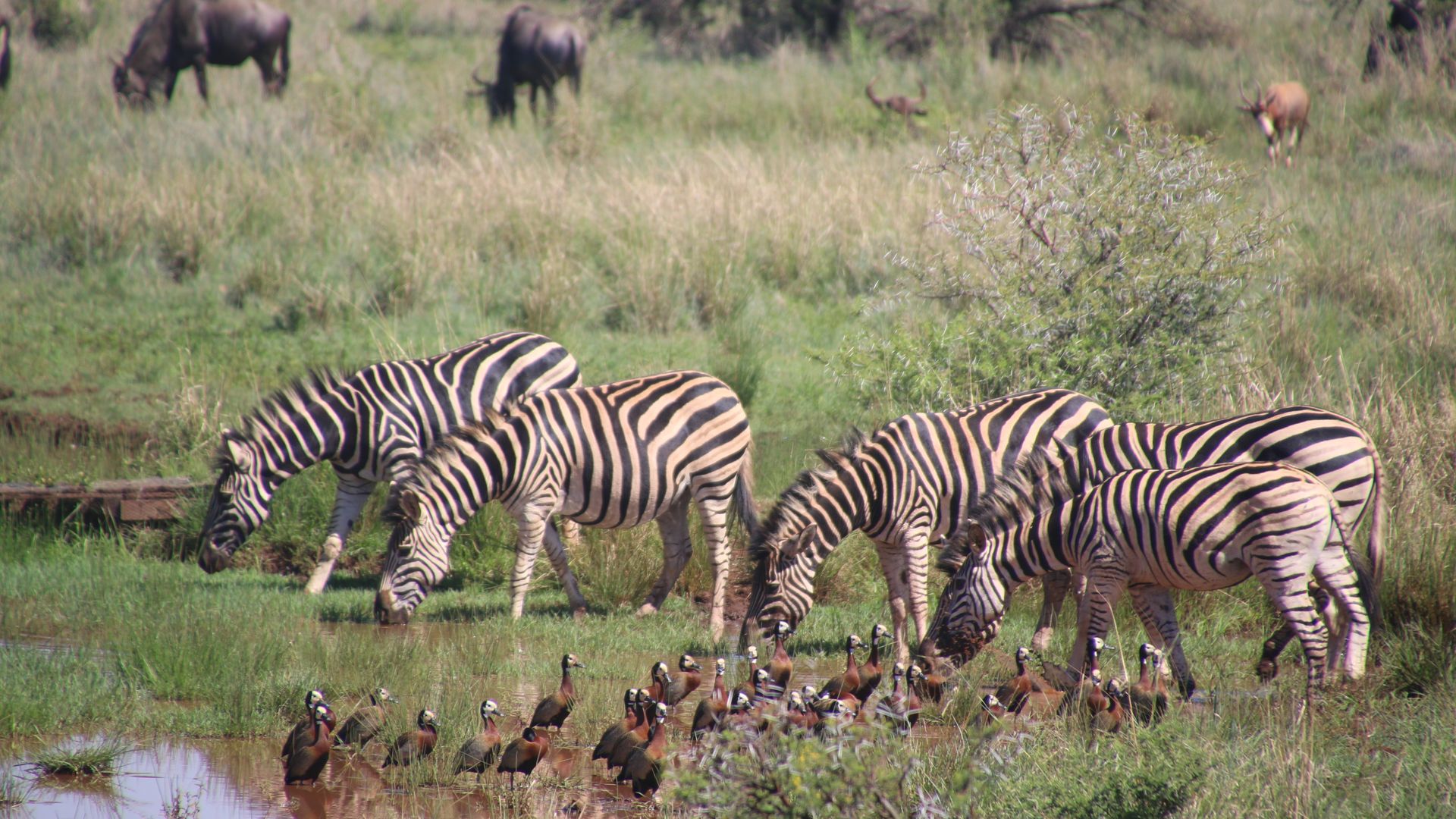
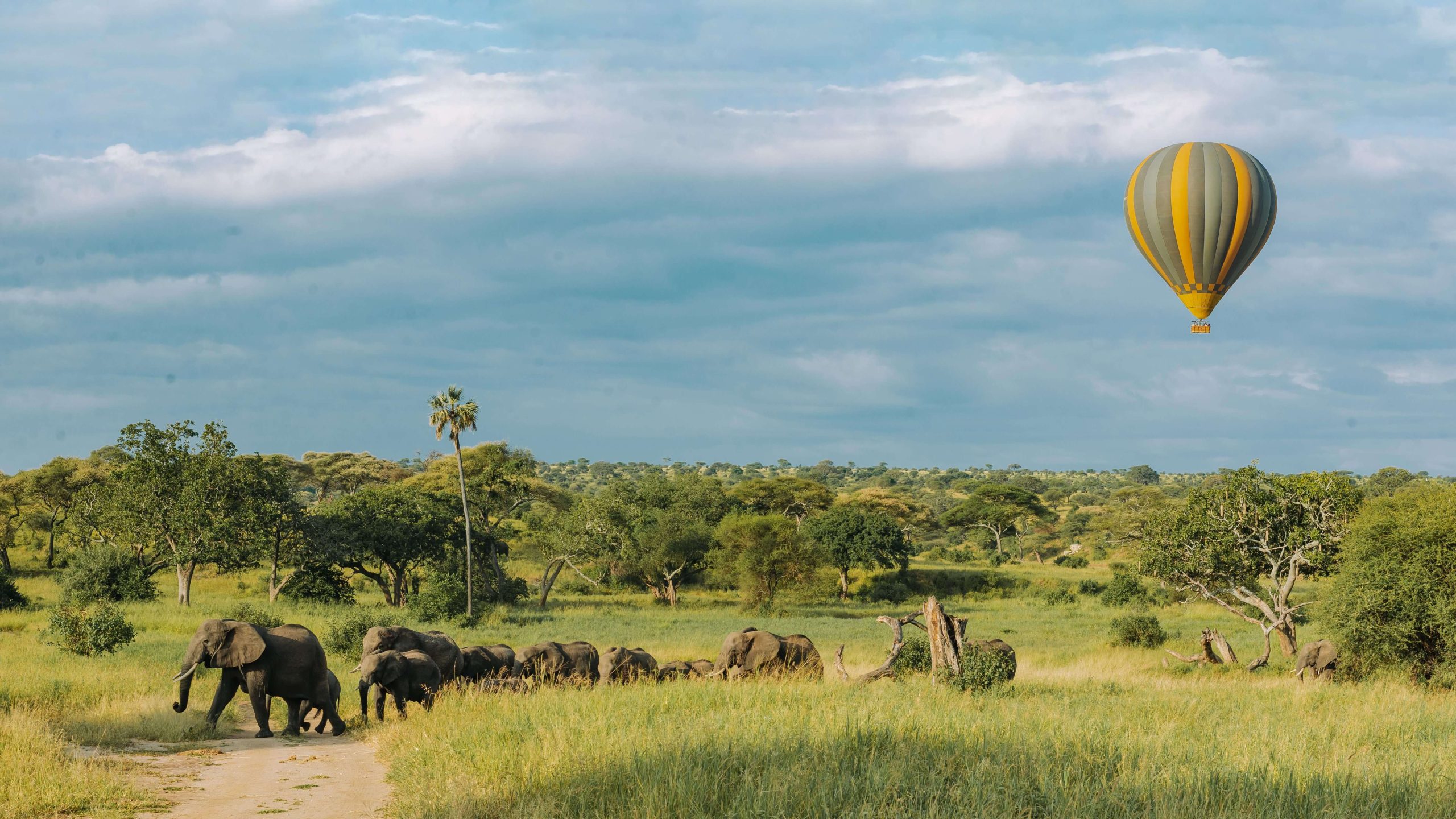
The Great Migration is the year-round, circular movement of roughly 1.5 million wildebeest alongside hundreds of thousands of zebra and gazelle, following rainfall patterns in search of fresh grazing across the Serengeti-Mara ecosystem. There is no single "best" month because the herds are always somewhere in the ecosystem — the better question is which migration phase you want to see, since calving, river crossings, and grazing on open plains each happen in different months and locations.
>> View Great Migration Package <<
What makes the wildebeest migration in Serengeti one of the greatest wildlife spectacles on Earth?
Wildlife biologists point to scale and predictability: no other terrestrial migration on the planet moves this many large mammals across this much open ground, drawing sustained predator pressure from lion, hyena, cheetah, leopard, and crocodile populations along the way. The migration is also genuinely dangerous for its participants — an estimated 250,000 wildebeest die annually from predation, exhaustion, and drowning during crossings, which is part of what makes it feel like a real, high-stakes event rather than a staged wildlife encounter.
What do you think is the most breathtaking moment of the Great Migration in Serengeti?
Guides and repeat travelers most consistently single out the Mara River crossings (roughly July through October) as the single most dramatic moment, because the tension of herds gathering on the riverbank, the chaos of the crossing itself, and the presence of Nile crocodiles compress days of buildup into minutes of pure adrenaline. A close second is the calving season on the southern short-grass plains, where the sheer density of newborn calves against a backdrop of stalking predators offers a different, quieter kind of intensity.
>> View Mara River Crossings Package <<
In the Serengeti, when the wildebeests migrate, do the carnivores that feed on them also follow them all the way?
Only partially. Lions are territorial and largely stay within their prides' home ranges, so as the migration passes through, resident lion populations simply take advantage of the temporary abundance rather than following the herds long-distance. Spotted hyenas and some nomadic male lions do travel further, and cheetahs will follow gazelle populations more readily than they follow wildebeest specifically, since gazelle are easier prey for their build.
When is the River Crossing phase of the Great Migration?
River crossings at the Grumeti River typically happen from late May through July as the herds move north and west, while the more famous Mara River crossings happen from roughly July through October, with a return crossing sometimes occurring in November as the herds head back south. These windows shift year to year based on rainfall, so any operator promising a guaranteed crossing on an exact date is overselling certainty that nature doesn't provide.
>> View Mara River Crossings Package <<
Where is the best place to see wildebeest calving in the Serengeti?
The southern short-grass plains around Ndutu (technically within the Ngorongoro Conservation Area but part of the same ecosystem) and the southeastern Serengeti see the bulk of calving, typically from late January through March. Up to 8,000 calves can be born per day during the peak of this window, and the concentration of newborns draws heavy predator activity, making it one of the best periods for big-cat action anywhere in East Africa.
Why is the Grumeti River crossing different from the Mara River crossing?
The Grumeti River is narrower and lined with dense riverine forest, so crossings there tend to be smaller, more frequent, and heavily targeted by the Grumeti's resident Nile crocodile population, some of which are among the largest recorded in Tanzania. The Mara River is wider, faster-flowing, and crossed by much larger herd concentrations at once, producing the chaotic, high-volume crossings most people picture when they imagine "the migration" from television documentaries.
Best Time to Visit
What is the best time of year to visit Serengeti, Ngorongoro and Tarangire National Parks in Tanzania?
For a first Northern Circuit trip combining all three, the dry season (late June through October) is the most reliable window: wildlife concentrates around permanent water sources, roads are passable, and skies are clear for photography. If your priority is calving season and lower prices, late January through March delivers excellent big-cat action on the southern plains at a lower cost than peak dry season.
Pro Tip: Shoulder months like late June and late October/early November often combine strong wildlife viewing with noticeably lower lodge rates than peak July–September, since demand hasn't yet spiked or has just started to ease.
[Read full guide about the best time of year to visit Serengeti]
What is the weather like in the Serengeti year-round?
The Serengeti has two rainy seasons — a short rains period (November–December) and long rains (March–May) — separated by a long dry season from June through October. Daytime temperatures stay fairly consistent year-round at around 25-28°C (77-82°F), but early morning game drives can dip to 10-14°C (50-57°F), especially at higher-elevation camps.
How do I spend a vacation in Serengeti during a pandemic?
There's no active pandemic-specific travel restriction affecting Tanzania safaris at the time of writing, but the general playbook that proved useful during COVID-19 still applies to any future health event: book with an operator offering flexible rebooking terms, choose smaller camps over large lodges to reduce shared-space exposure, and check the current entry requirements on official government sources before departure, since these can change quickly. Because rules shift fast in any health-related disruption, always check current rates and availability directly rather than relying on outdated blog posts, ours included.
Wildlife and Birdlife
What animals can you see in the Serengeti during the dry season?
Dry season (June–October) game viewing concentrates around the Grumeti and Mara Rivers and permanent water sources, delivering reliable sightings of elephant, buffalo, giraffe, hippo, and large predator prides that gather where prey is forced to congregate. This is also when the northern Serengeti hosts the bulk of the migrating herds, so lion, leopard, and cheetah sightings tend to peak alongside them.
How many lions live in the Serengeti ecosystem?
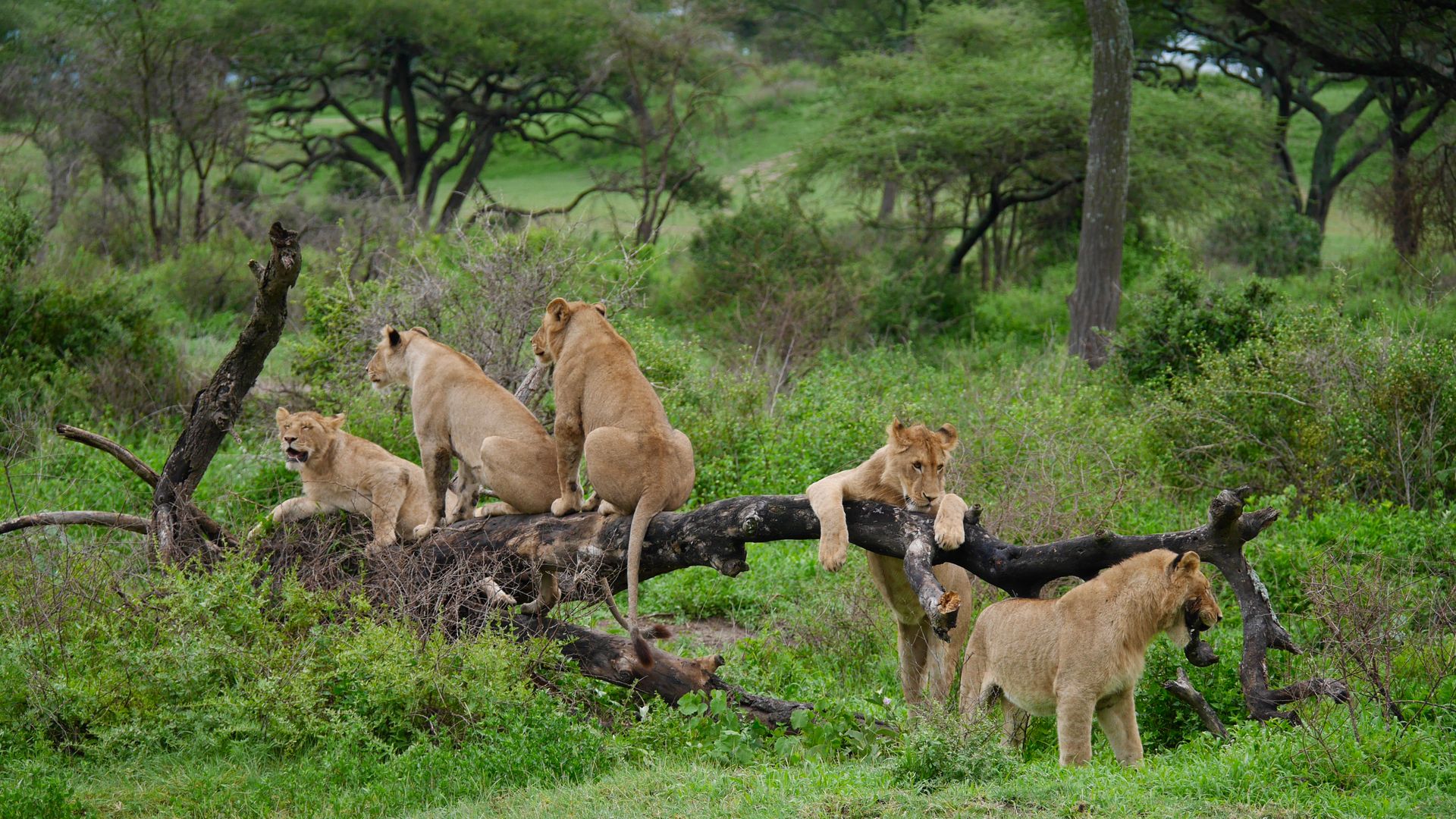
Researchers with the long-running Serengeti Lion Project estimate the ecosystem supports somewhere between 3,000 and 4,000 lions, making it one of the largest single lion populations remaining in Africa. Density is highest around Seronera's kopje-studded central plains, which is part of why that area remains the single most popular game-drive zone in the park.
Why are the lion prides in the Serengeti so large?
Serengeti prides regularly hold 15 to 30 individuals, larger than prides in many other African ecosystems, largely because the sustained abundance of migratory prey allows more lionesses and cubs to be supported within a single territory. Larger prides also gain a competitive edge defending kills and territory against the Serengeti's unusually dense hyena clans, which will readily challenge lions for carcasses.
What is the most common bird in the Serengeti?
Among the roughly 500 recorded species, the lilac-breasted roller is often cited by guides as the single most photographed bird due to its vivid multicolored plumage and habit of perching conspicuously on low branches near roads. In terms of sheer numbers rather than photogenic appeal, various weaver species and the helmeted guineafowl are among the most frequently sighted birds on any given game drive.
What species of birds can birdwatchers spot in the Serengeti?
Serious birders can expect species like the Kori bustard (Africa's heaviest flying bird), secretary bird, grey crowned crane, martial eagle, Fischer's lovebird, and a long list of migratory Palearctic species present between November and April. Wetland areas near the Grumeti and Mara Rivers add kingfishers, herons, and African fish eagles to any serious checklist.
Where to Stay
What is Serengeti Explorer, Elewana's new property in the Serengeti?
Serengeti Explorer is the first lodge under Elewana Collection's new "Explorer by Elewana" brand, which opened in January 2025 on the site of the former Serengeti Sopa Lodge in the park's western corridor. It sits high on the Nyaboro Hills with 74 rooms (68 explorer rooms and six suites), an on-site wildlife-viewing hide overlooking a watering hole — described as a first for the Serengeti — plus walking safaris, stargazing sessions, and a children's bushcraft center, positioned to bridge the gap between traditional tented camps and ultra-luxury lodges.
What is the quality of Serengeti Explorer's restaurant, Divai Wine Cellar?
Serengeti Explorer's dining program is built around a wine-cellar concept with a chef's table experience, a distinctive addition for a property in this price bracket. Because exact restaurant names, menus, and staffing can change after opening, we'd recommend confirming current dining details directly with the property or your booking agent rather than relying on any single published description — but the wine-cellar dining concept itself has been consistently highlighted as a standout feature of the lodge since it opened.
What are the top accommodation options in central Serengeti (Seronera)?
Seronera sits at the geographic and ecological heart of the park, offering strong year-round game viewing thanks to permanent water and resident predator populations. Options span the full budget range, from public campsites and mid-range lodges to established luxury tented camps, and the right pick depends heavily on whether you want to be inside the bustle of the park's most popular sector or slightly removed from it.
- Budget: Seronera Public Campsites (self-catering, TANAPA-run)
- Mid-range: Serengeti Serena Safari Lodge, Seronera Wildlife Lodge
- Luxury: Four Seasons Safari Lodge Serengeti, &Beyond Serengeti Under Canvas (seasonal, mobile)
See real, bookable packages across budget and luxury tiers if you want a side-by-side comparison of what each accommodation tier actually includes.
What is the difference between staying inside the park vs in a private concession?
Camps inside the national park boundary must follow TANAPA rules — no off-road driving, no night drives, and a strict vehicle limit at sightings — while private concessions bordering the park (such as those in the Grumeti and Singita reserves) set their own rules, often permitting off-road tracking, night drives, and walking safaris. Concessions typically cost more per night but deliver a far more exclusive, low-vehicle-density experience.
What is the difference between budget camping and luxury tented camps in Serengeti?
Budget public campsites are TANAPA-run, self-catering or semi-catered sites with shared ablution blocks, typically costing $30-60 per person per night in fees alone before gear and food. Luxury tented camps provide en-suite bathrooms, private verandas, full board dining, and dedicated guides inside canvas structures that can run anywhere from $400 to over $1,500 per person per night, with the difference funding everything from staff ratios to exclusive-use vehicles.
Pro Tip: If budget is the deciding factor, mid-range lodges often deliver 80% of the luxury-camp experience — private bathrooms, full board, guided drives — at roughly half the nightly rate. Compare real itineraries side-by-side across all three tiers before committing to one end of the spectrum.
Getting There and Logistics
How do you get to the Serengeti from Arusha or Kilimanjaro Airport?
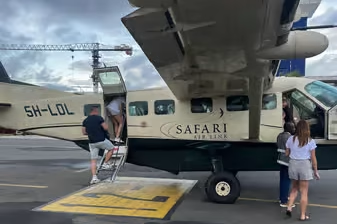
Most travelers fly into Kilimanjaro International Airport (JRO), then either connect via light aircraft to one of the Serengeti's airstrips — such as Seronera (SEU) or Kogatende (KGT) in the north — or drive roughly 6-8 hours via Arusha and the Ngorongoro Conservation Area to reach the park's Naabi Hill Gate. Flying in is faster and lets you start game viewing the same day; driving is cheaper and allows a stop at Ngorongoro Crater en route.
How far is Ngorongoro Crater from the Serengeti entry gate?
From the Serengeti's Naabi Hill Gate, it's roughly 145 km (about 3-4 hours) of driving to the Ngorongoro Crater rim, much of it across the Ngorongoro Conservation Area's open highland plains. This distance is exactly why most Northern Circuit itineraries pair the two parks back-to-back rather than treating them as separate trips.
How many days do you need in Serengeti?
Most experienced operators recommend a minimum of 3 full days (4 nights) to see genuine variety without feeling rushed, since the park is large enough that a single-day visit only covers one small sector. Travelers focused specifically on the migration or serious photography often extend to 5-7 nights, sometimes splitting time between two camps in different areas of the park to follow the herds' movement.
What is a Masai Mara, Serengeti and Zanzibar Itinerary?
This is one of the most popular combination trips in East Africa: several days on safari in the Maasai Mara or Serengeti (or both, connected by light aircraft), followed by a beach recovery stretch on Zanzibar's Indian Ocean coast. A typical structure runs 3-4 nights safari, 4-5 nights beach, letting travelers decompress from early-morning game drives with reef diving, spice tours, and Stone Town's history before flying home.
Is Tanzania visa on arrival available for visitors traveling to Serengeti?
Yes, most nationalities can obtain a Tanzania visa on arrival at Kilimanjaro International Airport or other official entry points, though an increasing number of travelers now apply through Tanzania's e-Visa portal in advance to skip arrival-hall queues. Because visa policy and fees change periodically by nationality, confirm current requirements on Tanzania's official immigration website close to your travel date rather than relying on secondhand advice.
Where can I find relevant information about planning a trip to Serengeti National Park?
SerengetiTravel.com is built specifically to answer this: our site provides an up-to-date Serengeti safari planning guide covering seasonal timing, entry fees, camp comparisons, and packing advice, alongside bookable packages spanning budget, mid-range, and luxury tiers. Rather than piecing together outdated forum posts and scattered blog articles, you can check current rates and availability and get a straight answer on what a realistic itinerary actually costs.
Safety and Health
What is the safety level in the Serengeti in Tanzania?
For travelers on organized safaris, the Serengeti has a strong safety record — the primary risks are wildlife-related (staying inside vehicles, respecting guide instructions) rather than crime, since the park itself has minimal permanent population and tight TANAPA access controls. General Tanzania travel-safety guidance (petty theft in urban areas, road conditions outside the park) applies more to time spent in Arusha or transit than to the safari portion of a trip.
Are there any dangers for tourists in Serengeti?
The realistic dangers are wildlife encounters outside a vehicle (never exit during a game drive except at designated, guide-approved spots), vehicle breakdowns on remote tracks with limited phone signal, and malaria in a region where the disease is endemic. None of these are unusual or hidden risks — they're standard, well-managed considerations that any reputable operator briefs guests on before the first game drive.
Why do certain places with natural beauty, like the Serengeti or Pará Falls, still pose significant risks to tourists despite their stunning landscapes?
Remote, ecologically rich landscapes are often risky precisely because of the same features that make them beautiful: dense wildlife, difficult terrain, unpredictable weather, and limited emergency infrastructure far from urban centers. The Serengeti's open plains put visitors in genuine proximity to apex predators, and its size means that help — medical evacuation, mechanical assistance — can be hours away, which is why choosing an operator with proper safety protocols and evacuation insurance matters more here than on a typical city vacation.
Is malaria a major threat for tourists visiting the Serengeti?
Yes, the Serengeti sits in a malaria-endemic zone, and prevention should be treated as a standard part of trip planning rather than an afterthought. Most travel medicine clinics recommend a combination of prophylactic antimalarial medication (such as Malarone, doxycycline, or mefloquine, chosen based on your health history), DEET-based insect repellent, and long sleeves during dawn and dusk game drives when mosquitoes are most active.
What shots or vaccinations do I need before traveling to Serengeti and Tanzania?
Tanzania requires proof of yellow fever vaccination only if you're arriving from a country with risk of yellow fever transmission, but the CDC and most travel clinics additionally recommend being current on Hepatitis A, typhoid, and routine vaccines (MMR, tetanus) for East Africa travel generally. Because recommendations are updated periodically and depend on your personal health history and prior vaccinations, book a travel medicine consultation 4-6 weeks before departure rather than relying on generic checklists.
Activities On Safari
How amazing is it for balloons to fly over Serengeti?
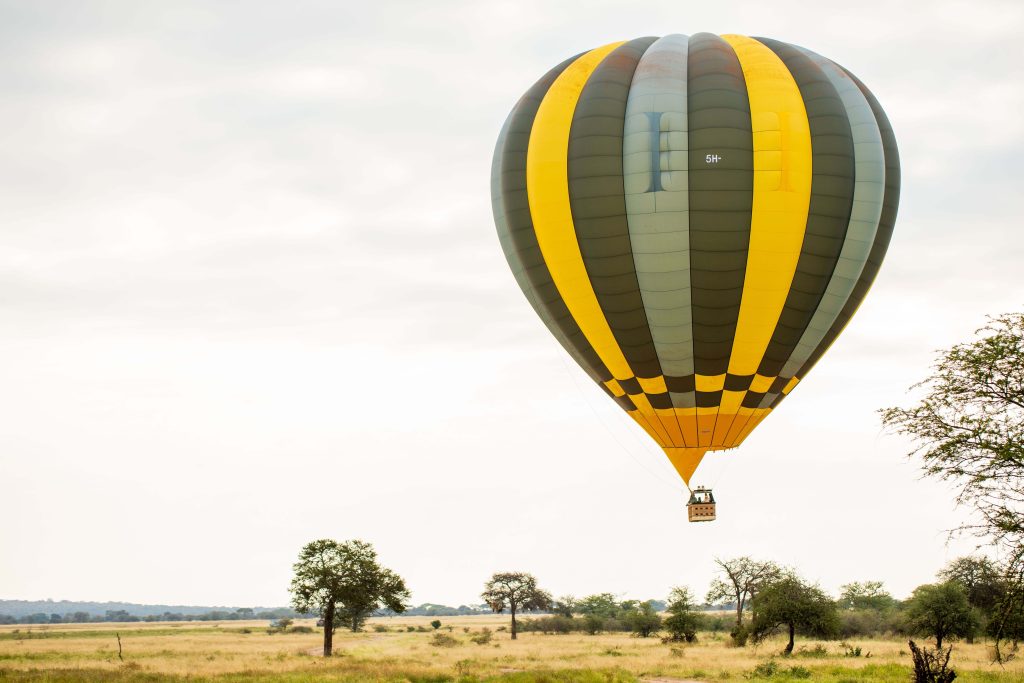
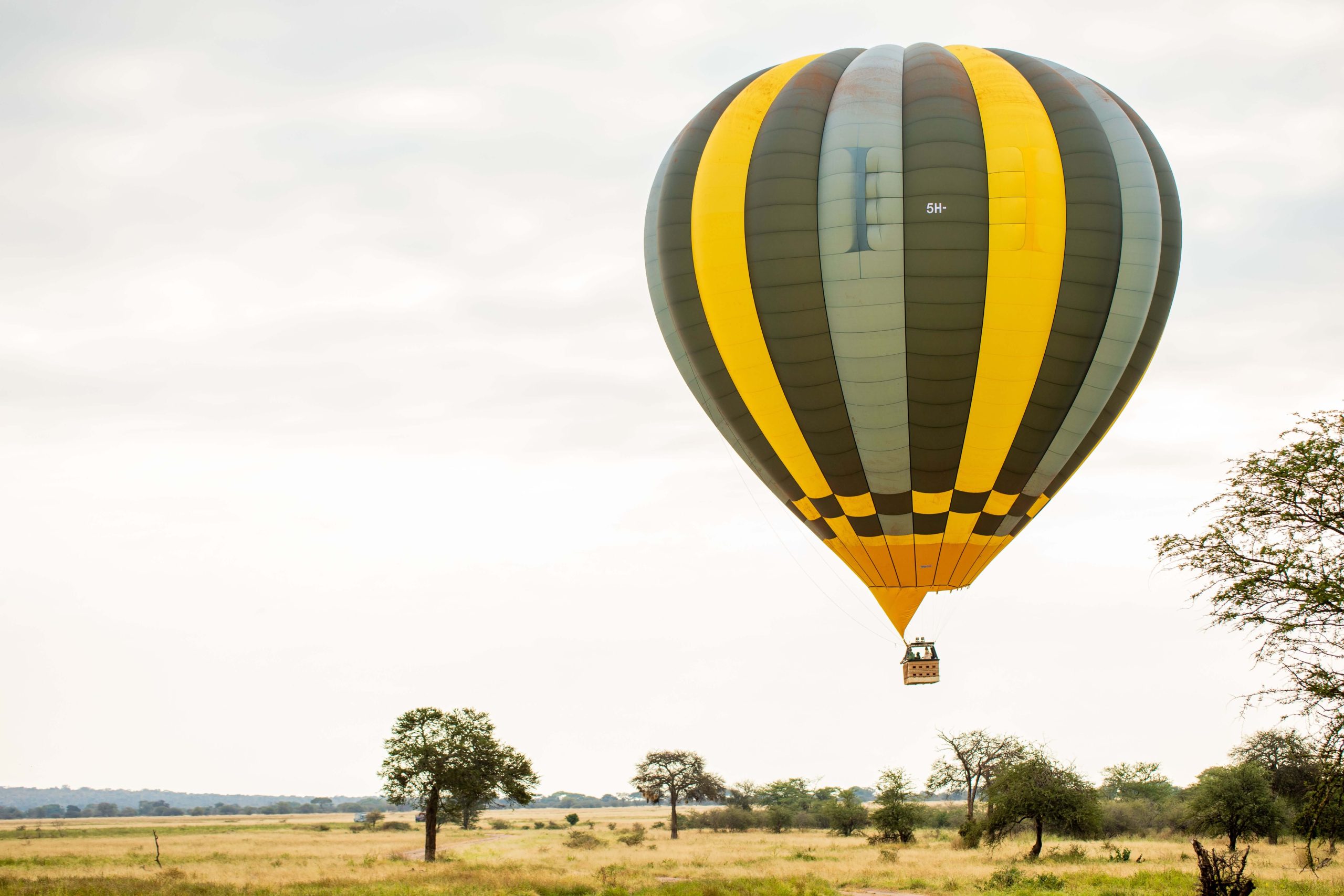
Guest feedback consistently ranks hot air balloon safaris among the single most memorable activities of a Serengeti trip, largely because the pre-dawn launch and low-altitude drift offer a silent, wide-angle perspective on herds and terrain that a vehicle simply can't replicate. Flights typically last about one hour, covering the plains at altitudes ranging from just above the grass to several hundred meters, followed by a traditional champagne bush breakfast on landing.
View Serengeti Hot Air Balloon Packages:
Is a hot air balloon safari in the Serengeti worth the money?
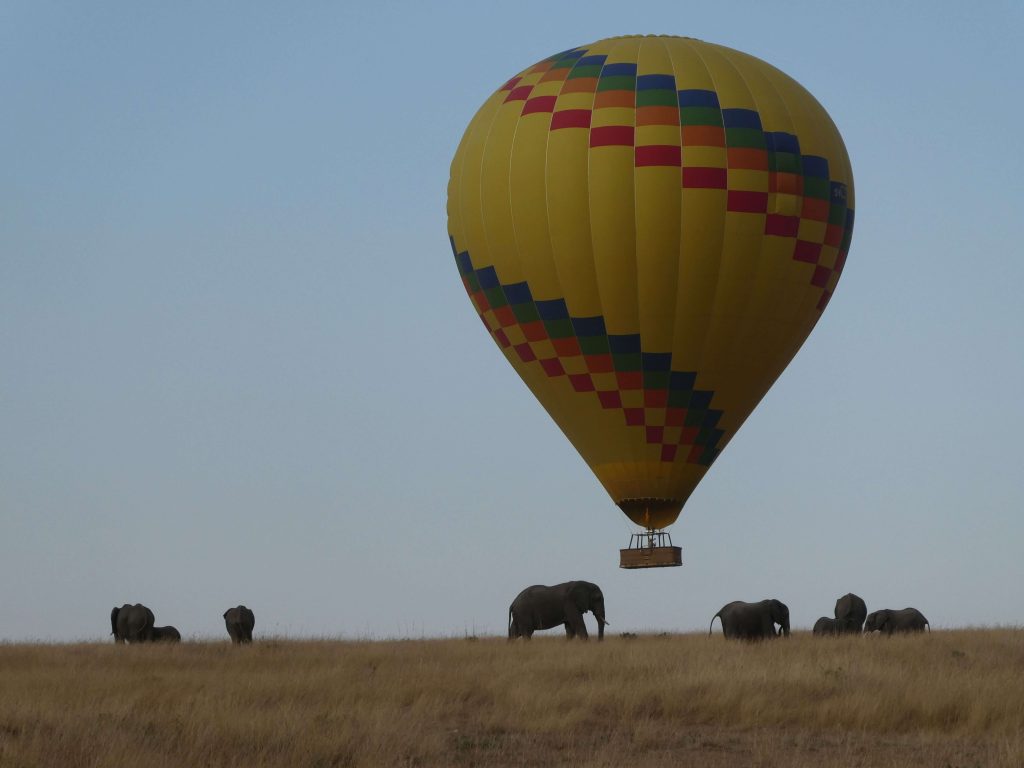
At roughly $550-600 per person, balloon safaris are among the more expensive single activities on a Serengeti trip, and whether that's "worth it" depends on your priorities — it's not a wildlife-viewing activity in the same sense as a game drive, since animals are often distant specks from altitude. For travelers who value the scenery, the novelty, and the once-per-trip nature of the experience, guests overwhelmingly report it was worth the splurge; budget-conscious travelers may prefer to allocate those funds toward an extra night in camp instead.
>> View Serengeti Hot Air Balloon Package <<
Are night game drives allowed inside Serengeti National Park?
No, TANAPA prohibits night game drives inside the national park boundary itself, restricting drives to daylight hours only. Night drives are permitted in some of the private concessions and reserves bordering the park (such as certain Grumeti-area properties), which is one of the main reasons serious nocturnal-wildlife enthusiasts choose concession-based camps over park-interior lodges.
Can you do a self-drive safari in the Serengeti National Park?
Technically yes, with a rented 4x4 and a valid international driving permit, but very few visitors do this and most operators actively discourage it for first-timers. Road conditions can be poor, GPS signal is unreliable in remote sectors, fuel stations are scarce inside the park, and a guide's tracking knowledge dramatically increases the odds of quality sightings, so the cost savings of self-driving rarely offset the practical downsides.
How do safari vehicle pop-up roofs work during game drives?
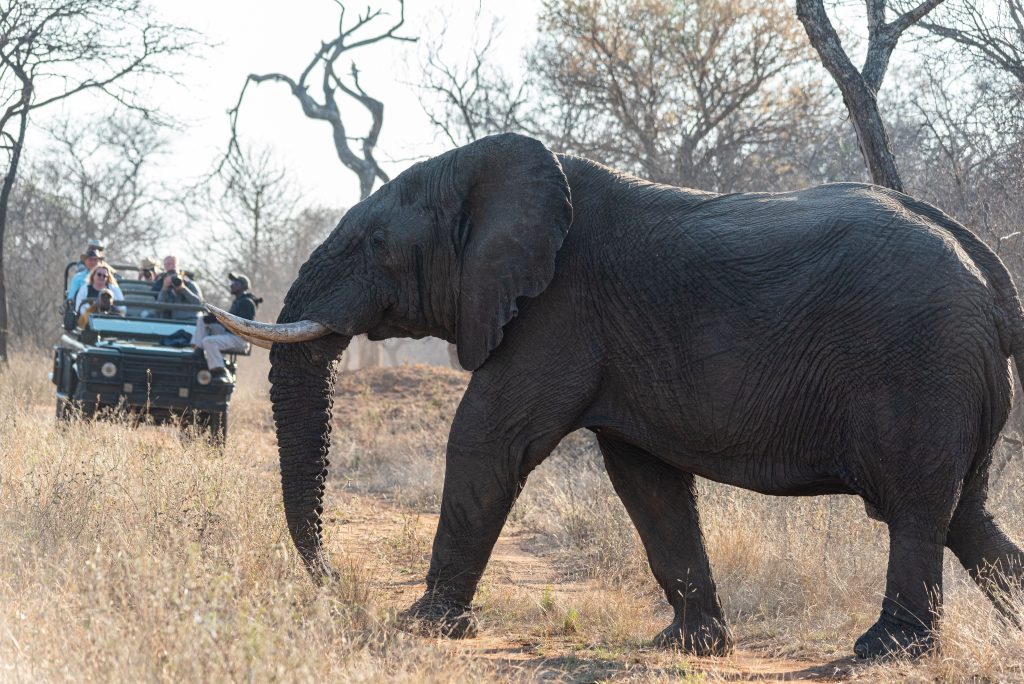
Most safari vehicles used in the Serengeti — typically modified Toyota Land Cruisers — have a roof section that lifts and locks in place, letting passengers stand and view or photograph wildlife at 360 degrees without leaving the vehicle. This design keeps guests safely inside the vehicle's frame (which animals generally treat as a single, non-threatening shape) while still providing an unobstructed view and stable shooting platform for cameras.
Are children allowed on game drives in the Serengeti?
Yes, though many camps set a minimum age (commonly 6 to 8 years old) for game drives and full-day activities, largely due to the physical demands of long drives on rough roads and the need for children to sit still and stay quiet near predators. Some lodges, including newer family-oriented properties, now run dedicated kids' programs — bushcraft, junior ranger activities — so check a specific camp's child policy before booking if traveling with young children.
Packing and Gear
What should I wear on a Serengeti Game Drive?
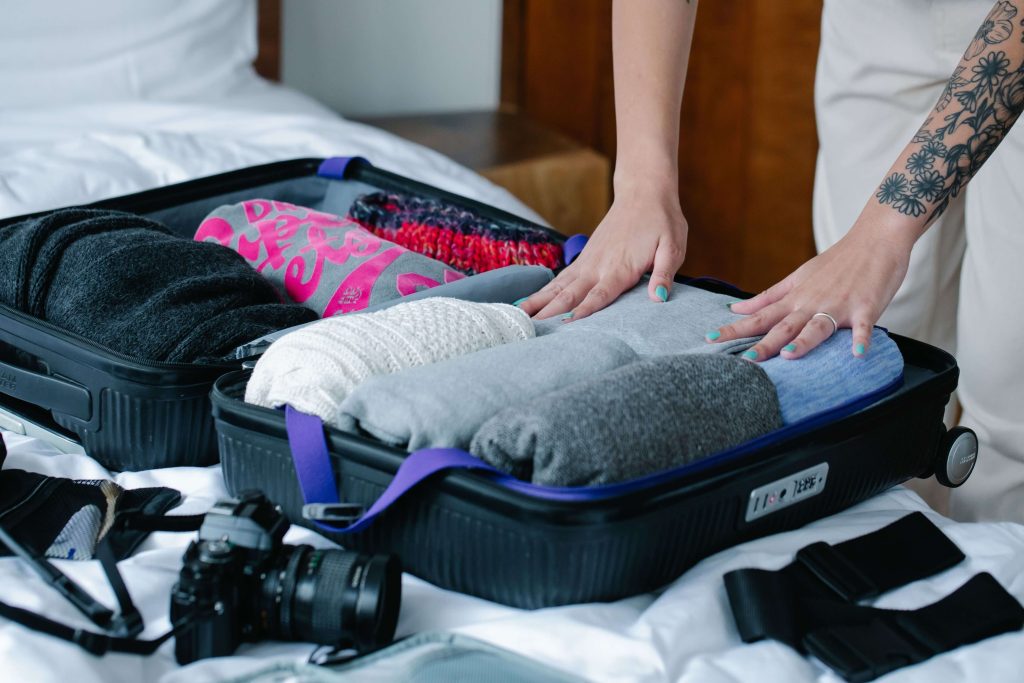
Neutral earth tones — khaki, olive, tan, muted greens — are recommended over bright colors or pure white and black, since bright colors can spook wildlife and dark colors attract tsetse flies in wooded sectors. Layering matters more than any single item: early-morning drives can be genuinely cold, while midday sun is intense, so a light jacket, long-sleeve shirt, and breathable trousers you can adjust throughout the day work best.
What camera lens is best for photography in the Serengeti?
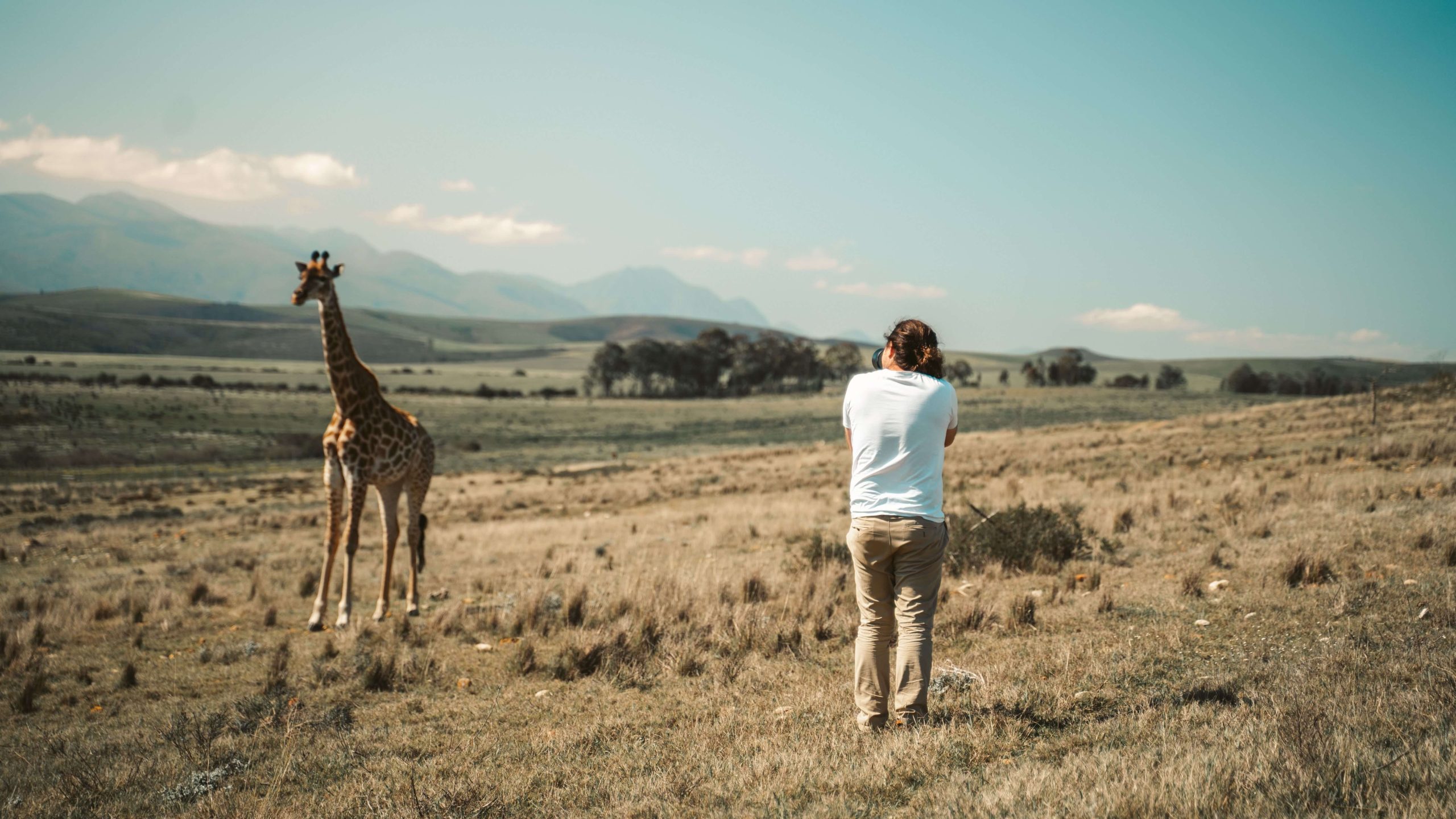
A telephoto zoom in the 100-400mm range is the single most useful lens for general Serengeti wildlife photography, giving enough reach for distant predators while still allowing wider shots of herds and landscapes without a lens change. Serious photographers chasing frame-filling shots of birds or distant leopards often add a 500mm or 600mm prime, but for most travelers a versatile zoom paired with a beanbag or vehicle-mounted support (rather than a bulky tripod, which is impractical in a safari vehicle) covers the vast majority of shooting situations.
Costs, Payment, and Etiquette
Is cash required on safari in the Serengeti or are credit cards accepted?
Most established lodges and camps accept credit cards for accommodation and package costs, but cash (preferably US dollars printed 2013 or later, in good condition) is still essential for tipping, curio purchases, and incidental costs at more remote properties where card machines and internet connectivity are unreliable. Carrying a mix of small denomination USD and some Tanzanian shillings for local markets is the standard recommendation from most tour operators.
What is the tipping etiquette for safari guides and camp staff in Tanzania?
A commonly cited benchmark is $15-25 per day for your safari guide/driver and $10-15 per day pooled for general camp staff, though this varies by camp tier and length of stay, and most operators provide a printed tipping guide on arrival. Tipping isn't legally mandatory, but it forms a meaningful part of guide and staff income in Tanzania's tourism sector, so most travel specialists strongly encourage budgeting for it as part of your overall trip cost.
Ecology and History
Why is Serengeti National Park considered the most beautiful national park in the world?
This is subjective, but the recurring reasons cited by photographers and travel writers are the scale of unbroken open horizon, the density and diversity of visible wildlife in a single frame, and the dramatic lighting produced by wide, uninterrupted skies at sunrise and sunset. Few other protected areas combine that much visible biomass with that little visual obstruction — most parks have denser vegetation that limits sightlines the Serengeti's plains simply don't have.
What is meant by "the Serengeti has been protected for years"?
The Serengeti National Park was officially gazetted in 1951, and portions of the wider ecosystem had informal protected status even earlier under British colonial administration in the 1920s and 1930s. That multi-decade continuity of protection — long before most African conservation programs existed — is a major reason the ecosystem retained its migratory herds and predator populations largely intact, unlike many other regions that lost migratory wildlife to fragmentation and hunting pressure over the same period.
When was Rinderpest eradicated from the Serengeti?
Rinderpest, a cattle-borne viral disease that had devastated wildebeest and buffalo populations since it arrived in East Africa around 1890, was effectively eliminated from the Serengeti ecosystem by the mid-1960s (commonly cited as 1963) through cattle vaccination campaigns in surrounding areas. Its removal triggered a well-documented "wildebeest irruption," with the population climbing from roughly 250,000 animals to well over a million in the following decades — the herds most visitors see today are, in a real sense, a post-disease recovery population.
How many episodes of Serengeti are there?
The BBC/Discovery documentary series "Serengeti" ran for two main seasons: Season 1 (2019) had 6 episodes, narrated by John Boyega for the UK broadcast and Lupita Nyong'o for the US version, and Season 2 (2021) also had 6 episodes, again narrated by Nyong'o. Some listings group a later compilation or spin-off content as a "Season 3," but the core narrative series consists of those 12 episodes across two seasons.
What Makes the Serengeti Worth It
I've heard a lot about the Serengeti. What makes it unique, and is a safari in Tanzania worth adding to a travel bucket list?
What sets the Serengeti apart from most wildlife destinations is scale combined with an active, visible ecological process — you're not just seeing animals, you're watching a genuine survival migration unfold, with predator-prey dynamics playing out in real time across open ground. For travelers weighing whether it belongs on a bucket list, guide consensus is near-universal that it does, provided expectations are set correctly: this is a physically demanding, multi-day trip with real cost, not a single-afternoon excursion.
What are some vistas of the Serengeti?
The most photographed viewpoints include the Seronera Valley's kopje-studded plains, the Lobo Hills in the northeast with panoramic views over woodland and grassland, the escarpment views from camps perched on the Nyaboro Hills in the western corridor, and the endless short-grass horizon of the southern plains near Ndutu during green season. Sunrise and sunset consistently produce the most dramatic light across all of these locations, which is part of why most game drives are scheduled around dawn and dusk rather than midday.
Ready to see these landscapes for yourself? Check current rates and availability for itineraries that route through the park's most scenic sectors.
People Also Ask
Do I need a 4x4 vehicle to visit the Serengeti? Yes — the park's roads range from graded dirt to genuinely rough tracks, especially during and after the rainy seasons, and standard sedans are neither permitted nor practical. Every reputable safari package includes a purpose-built 4x4 (typically a modified Land Cruiser) with an experienced driver-guide as standard.
Can I visit the Serengeti on a budget, or is it only for luxury travelers? The Serengeti accommodates a genuine range of budgets, from public campsites and mid-range lodges to ultra-luxury tented camps, so it's not exclusively a luxury destination. Park fees and vehicle/guide costs form a fixed baseline regardless of accommodation tier, which is why even "budget" Serengeti trips cost more than budget safaris in some other regions.
What's the single biggest mistake first-time Serengeti travelers make? Underestimating travel time between sectors of the park and trying to cram too many locations into too few days, which leaves guests spending more time driving than actually watching wildlife. Most experienced planners recommend basing in one or two well-chosen areas rather than moving camp every single night.
Every answer above reflects current TANAPA regulations, published operator data, and guide-verified seasonal patterns as of this writing — but fees, policies, and property details change, so see real, bookable packages across budget and luxury tiers for the most current pricing and availability before you finalize any trip.