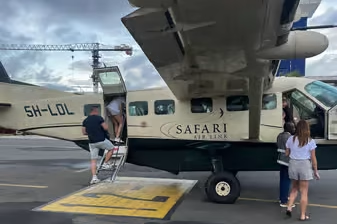

A Serengeti safari itself typically runs 3 to 10 days on the ground, while the booking and paperwork side — visas, park permits, and operator confirmations — usually needs 4 to 8 weeks of advance processing. Most first-time travelers are actually asking about both timelines at once, so this guide breaks down each one separately.
Insider warning: Peak season (July–October) bookings can sell out lodge inventory and permits 60–90 days ahead of arrival. Waiting until "close to the trip" to sort your paperwork is the single most common reason travelers get bumped to a less desirable route or camp.
The Two Meanings of "Processing" — And Why Both Matter
When people search this phrase, they're almost always tangled up in two separate questions. Sorting them out early saves a lot of confusion later.
- On-the-ground processing time: how many actual days your safari itinerary takes once you land in Tanzania.
- Administrative processing time: how long visas, park entry permits, flight bookings, and lodge confirmations take before you ever board a plane.
Field consultants who work directly with Tanzania National Parks (TANAPA) offices say this confusion trips up nearly every first-time planner, because travel blogs tend to answer only one half of the question. This guide answers both, in full.
[Check Best Tanzania Safari Packages]
On-the-Ground Processing: How Many Days Does the Safari Itself Take?
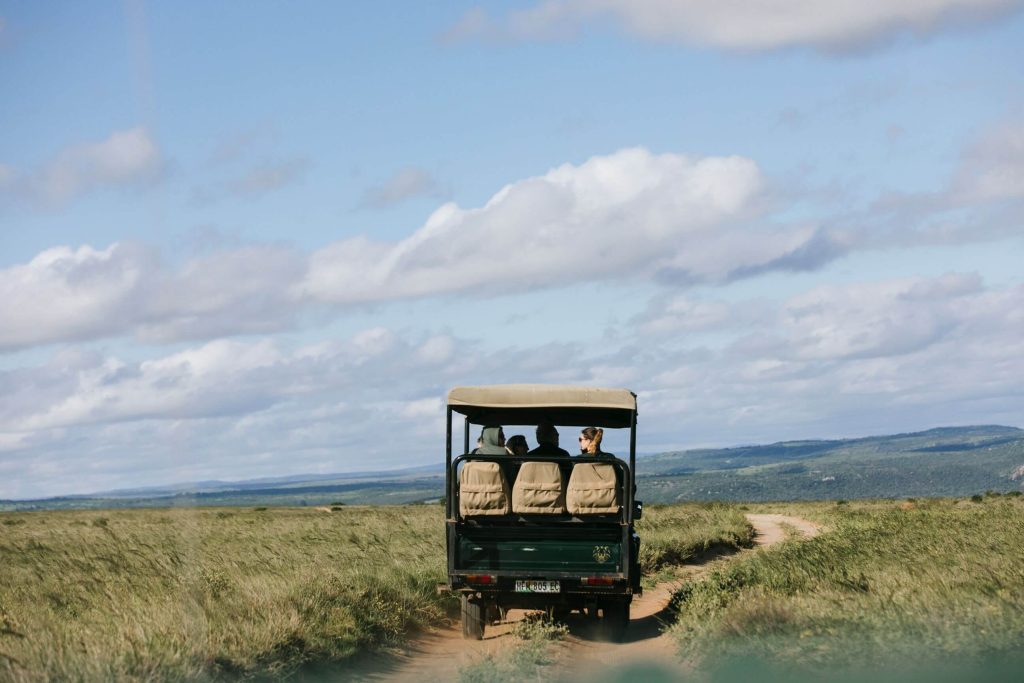
This is the part most people picture — the actual days spent inside the park boundaries, watching wildlife and moving between camps.
Core Highlights Tour: 3–4 Days
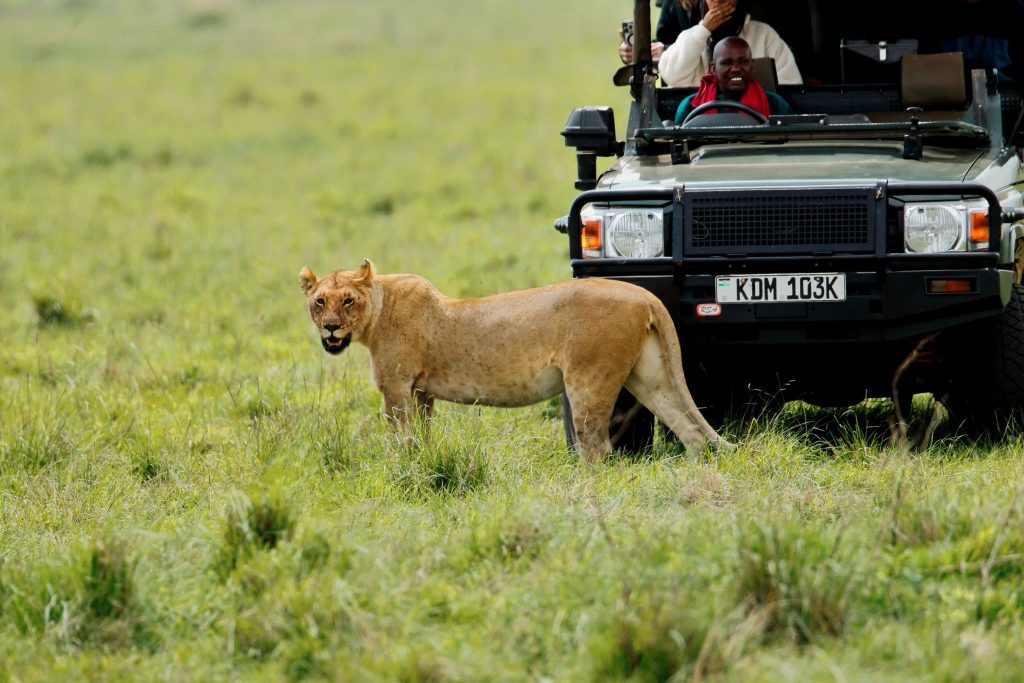
A 3–4 day itinerary is the minimum realistic window to experience the central Serengeti properly. Guides based out of Seronera — the park's central hub — generally recommend this length for travelers with limited vacation time who still want a genuine Big Five encounter.
- Day 1: Arrival via Seronera Airstrip (SEU) or a road transfer through Naabi Hill Gate, afternoon game drive.
- Day 2–3: Full-day drives through the Seronera Valley, Central Serengeti's permanent river system, and predator-dense woodlands.
- Day 4: Final morning drive, departure.
Extended Circuit Tour: 5–6 Days
Adding two extra days lets travelers combine the Serengeti with Ngorongoro Crater or Tarangire National Park, both of which sit on practical driving routes. Field feedback from repeat safari guests consistently ranks this length as the "sweet spot" for balancing depth against cost and fatigue.
- Extra travel days allow for slower, less rushed game drives.
- Crater floor access at Ngorongoro typically adds one dedicated day.
- Road transfer times between parks range from 3 to 5 hours, depending on rainy-season road conditions.
Full Migration Tracking Tour: 7+ Days
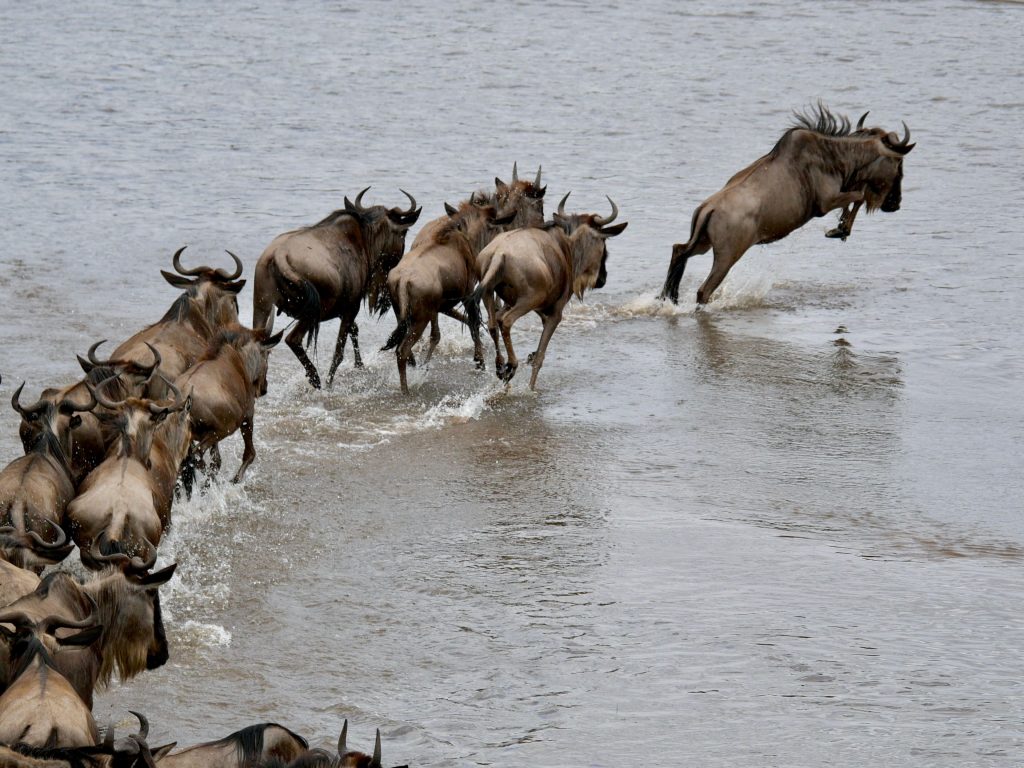
Chasing the wildebeest migration properly requires flexibility, because herd locations shift by month and even by week. Operators who specialize in migration routes typically build in buffer days precisely because animal movement can't be scheduled like a bus timetable.
- December–March: Southern Serengeti and Ndutu Plains (calving season).
- April–May: Central and Western Corridor migration.
- June–July: Northern push toward the Grumeti River.
- August–October: Mara River crossings near the Kenyan border.
A 7+ day itinerary gives enough slack to reposition camps if the herds move faster or slower than expected — something a rigid 3-day trip simply cannot absorb.
View Great Migration Packages:
Administrative Processing: How Long Booking and Paperwork Actually Take
This is the half of the question most articles skip entirely, and it's often the more time-sensitive one for first-time planners.
Park Permit Processing at Naabi Hill Gate
Naabi Hill Gate is the primary entry checkpoint for travelers coming from the Ngorongoro side, and it's where park fees and permits are formally logged into the TANAPA system. Contrary to what many assume, permits aren't something you "apply for" weeks in advance on your own — your ground operator handles this as part of your booking, but the lead time they need to do it properly is what affects your planning window.
- Reputable operators typically request park entry allocations 2–4 weeks before arrival, especially in peak season when daily vehicle quotas can fill up.
- Gate processing itself, once you physically arrive, generally takes 20–40 minutes for document checks and fee confirmation.
- Road conditions leading to Naabi Hill can add unpredictable time in wet season (March–May), so operators build in buffer windows.
Pro Tip: Book your operator at least 8 weeks before arrival during July–October. This gives them enough runway to secure your Naabi Hill Gate permit slot and your preferred camp inventory before both sell out.
Visa and Passport Processing
International travelers need to budget separate processing time for their Tanzania e-Visa or on-arrival visa, and this timeline runs independently of your safari booking.
| Requirement | Typical Processing Time | Recommended Lead Time |
|---|---|---|
| Tanzania e-Visa (online application) | 5–10 business days | Apply 4–6 weeks ahead |
| Passport with 6+ months validity | N/A (must already be valid) | Verify immediately upon booking |
| Yellow Fever certificate (if transiting endemic countries) | Issued same-day at clinic | Get 10+ days before departure |
| Domestic flight booking (SEU, KTE, LKY airstrips) | Instant to 48 hours | Book 6–8 weeks ahead in peak season |
- The e-Visa system occasionally experiences backlogs during peak booking months, so field consultants recommend applying earlier than the stated minimum whenever possible.
- Travelers arriving without a pre-approved e-Visa can sometimes get a visa on arrival, but this adds unpredictable airport wait time and isn't guaranteed for every nationality.
- Double-check passport expiration dates the moment you commit to travel dates — this single detail derails more trips than any other paperwork issue.
Operator and Lodge Booking Windows
Ground operators and camps work on their own processing clocks, separate from government paperwork.
- Peak season (July–October): Book 8–12 weeks ahead; premium tented camps in the Mara River corridor routinely sell out 90 days out.
- Shoulder season (June, November): Book 4–6 weeks ahead for comfortable availability.
- Green season (December–May): Book 2–4 weeks ahead, though calving-season camps near Ndutu still fill quickly among photography groups.
Realistic Total Timeline: From First Inquiry to Wheels-Down
Putting both halves together gives a clearer picture of what "processing" really means for a first-time planner.
- Week 1–2: Choose itinerary length (3-4, 5-6, or 7+ days) and confirm operator.
- Week 2–4: Apply for e-Visa, verify passport validity, book international flights.
- Week 4–6: Operator secures Naabi Hill Gate permit allocation and confirms camp bookings.
- Week 6–8: Book domestic airstrip transfers (SEU, KTE, LKY) and finalize packing.
- Arrival: On-ground safari begins, running 3–10 days depending on chosen itinerary.
[Check Best Tanzania Safari Packages]
Packing Prep Runs Parallel to Paperwork

While the administrative clock ticks, this is also the window to sort field gear, since dust, heat, and long game-drive hours are hard on equipment that hasn't been tested beforehand.
- A dust-proof camera bag protects gear during the notoriously dusty Central Serengeti tracks.
- 8x42 safari binoculars are the field-standard spec for spotting distant predators without excessive weight.
- Neutral-toned (khaki, olive, tan) clothing avoids attracting tsetse flies, which are drawn to dark and bright colors.
- A 20,000mAh+ power bank covers multi-day stretches at camps with limited or solar-only charging.
Frequently Asked Questions
How many days is enough for a first Serengeti safari?
Most first-timers do well with 4–6 days, which allows for a genuine wildlife experience without excessive driving fatigue. Shorter 3-day trips are workable but leave little buffer if weather or animal movement disrupts the plan.
How far in advance should I book a Serengeti safari?
For peak season (July–October), book 8–12 weeks ahead to secure permits, flights, and camp availability. For green season (December–May), 4–6 weeks is usually sufficient.
Does the Tanzania e-Visa take long to process?
The e-Visa typically processes in 5–10 business days, though field consultants recommend applying at least 4–6 weeks before departure to avoid peak-season backlogs. Passport validity of six-plus months is required regardless of visa speed.