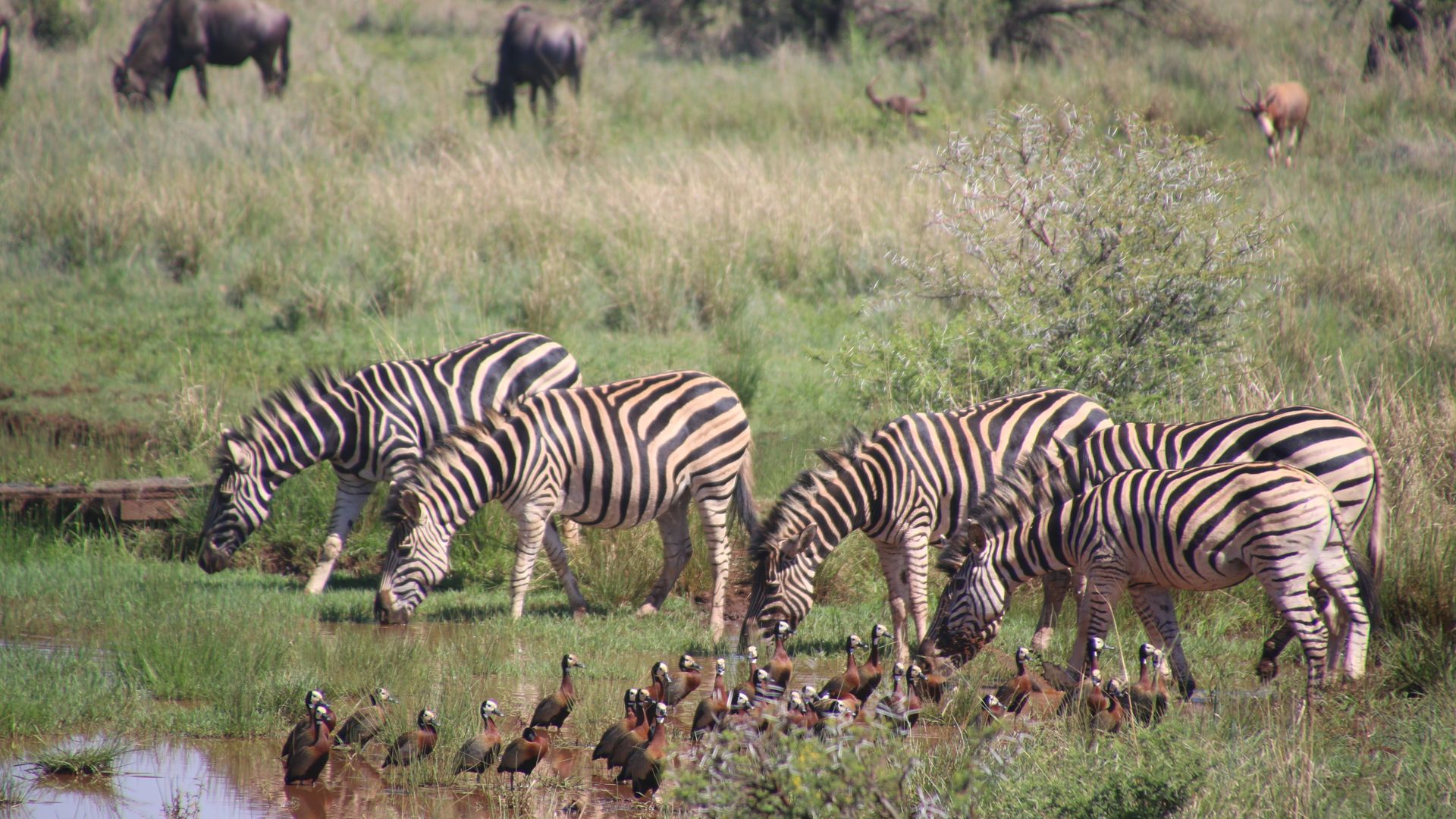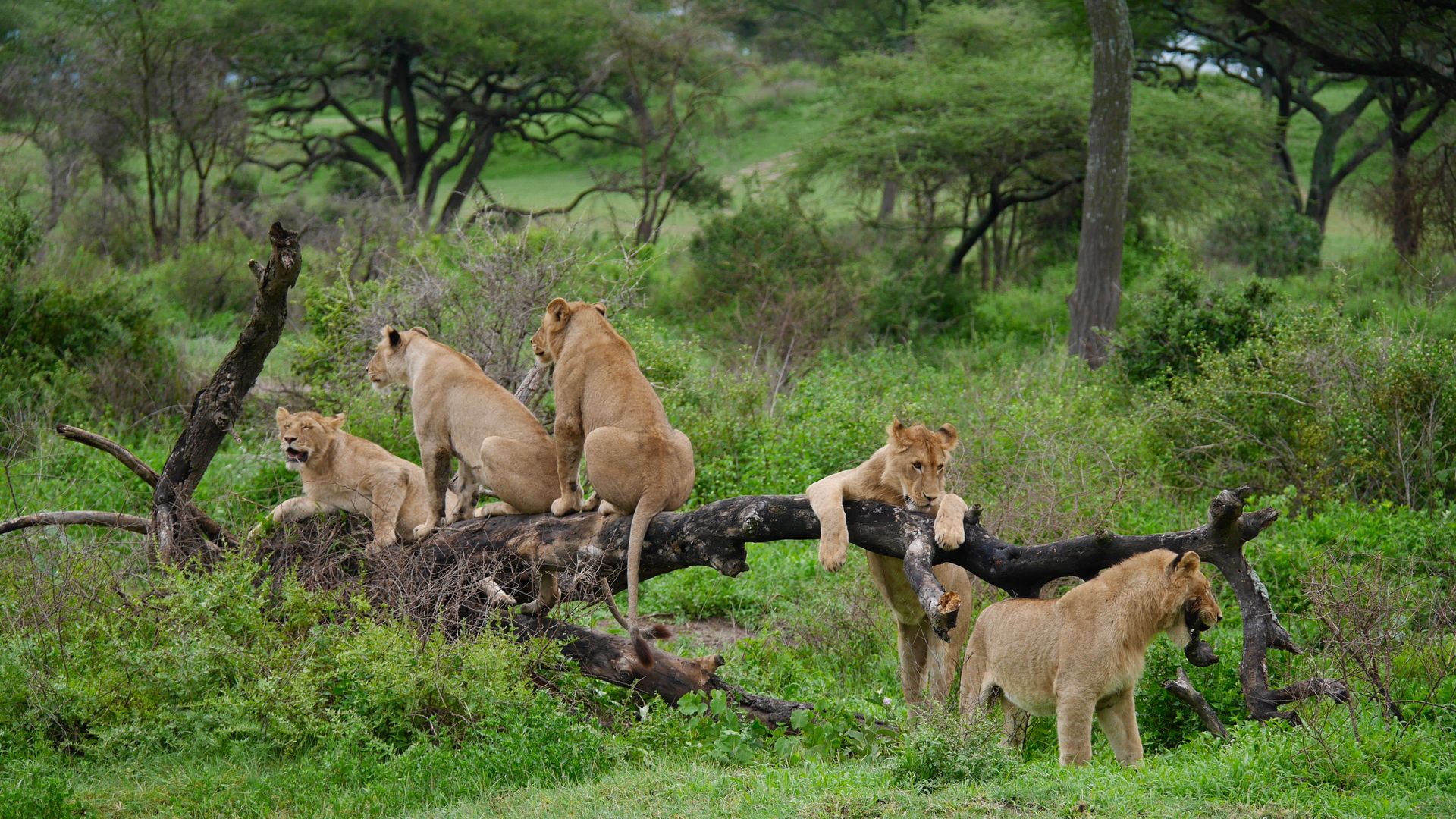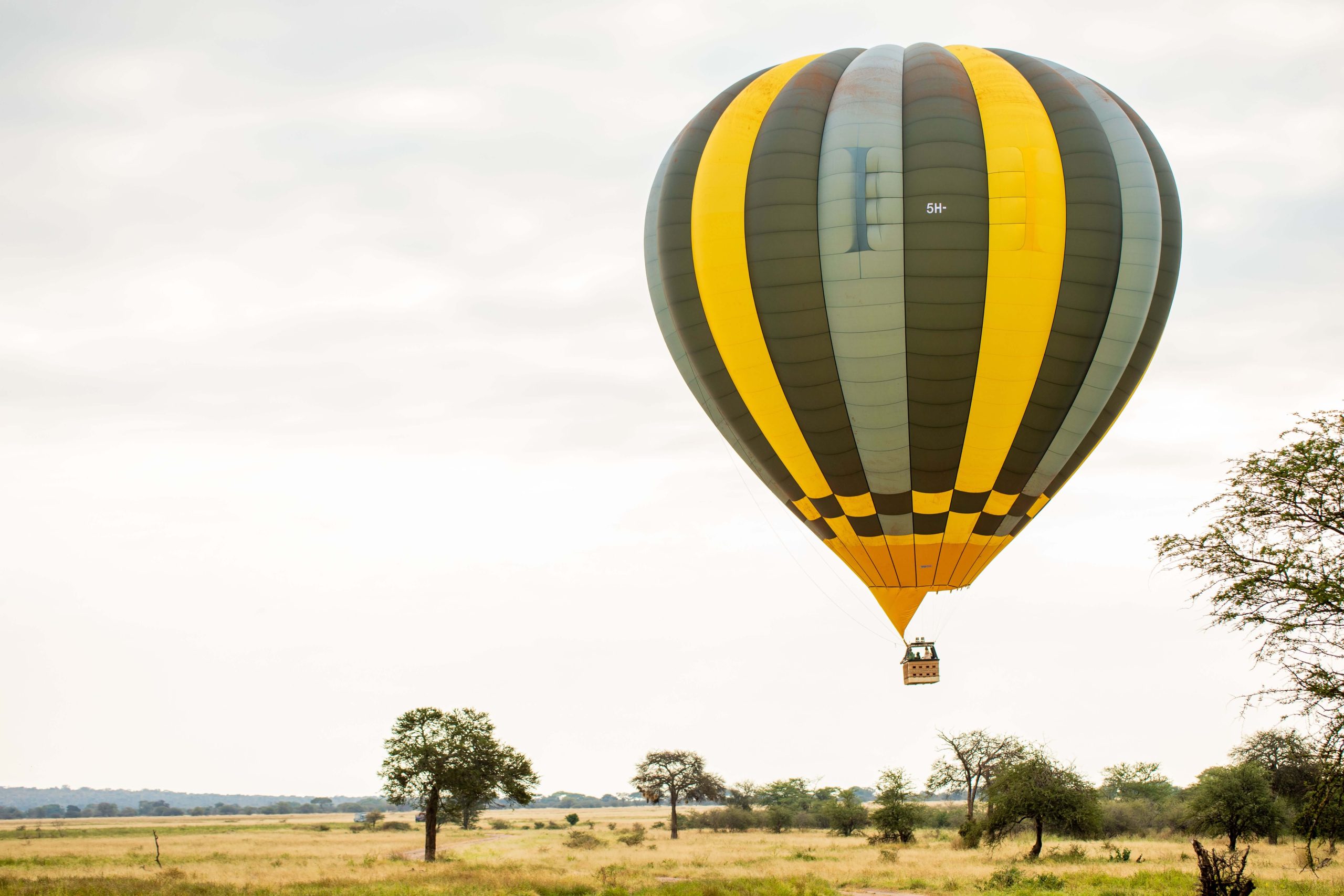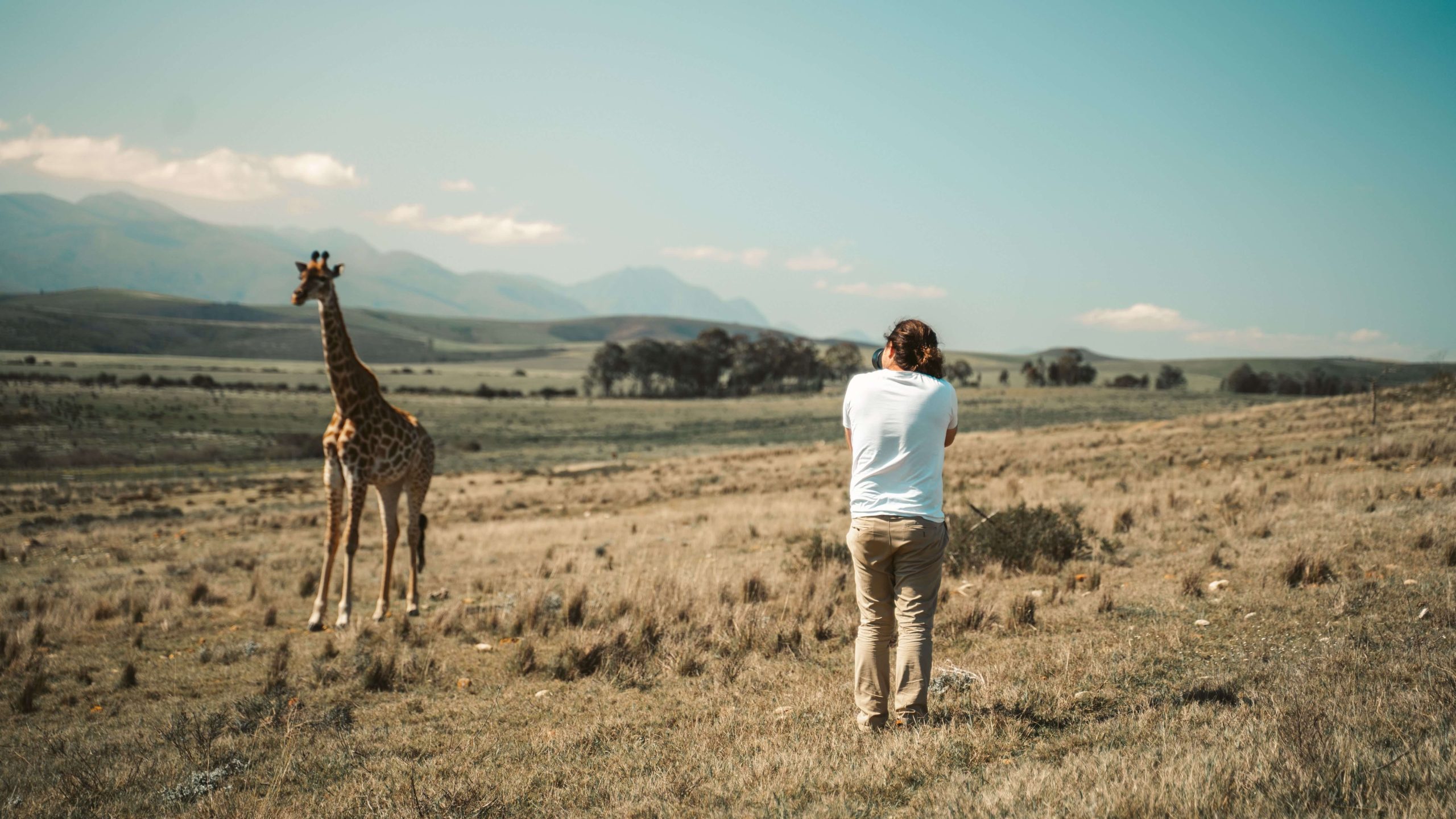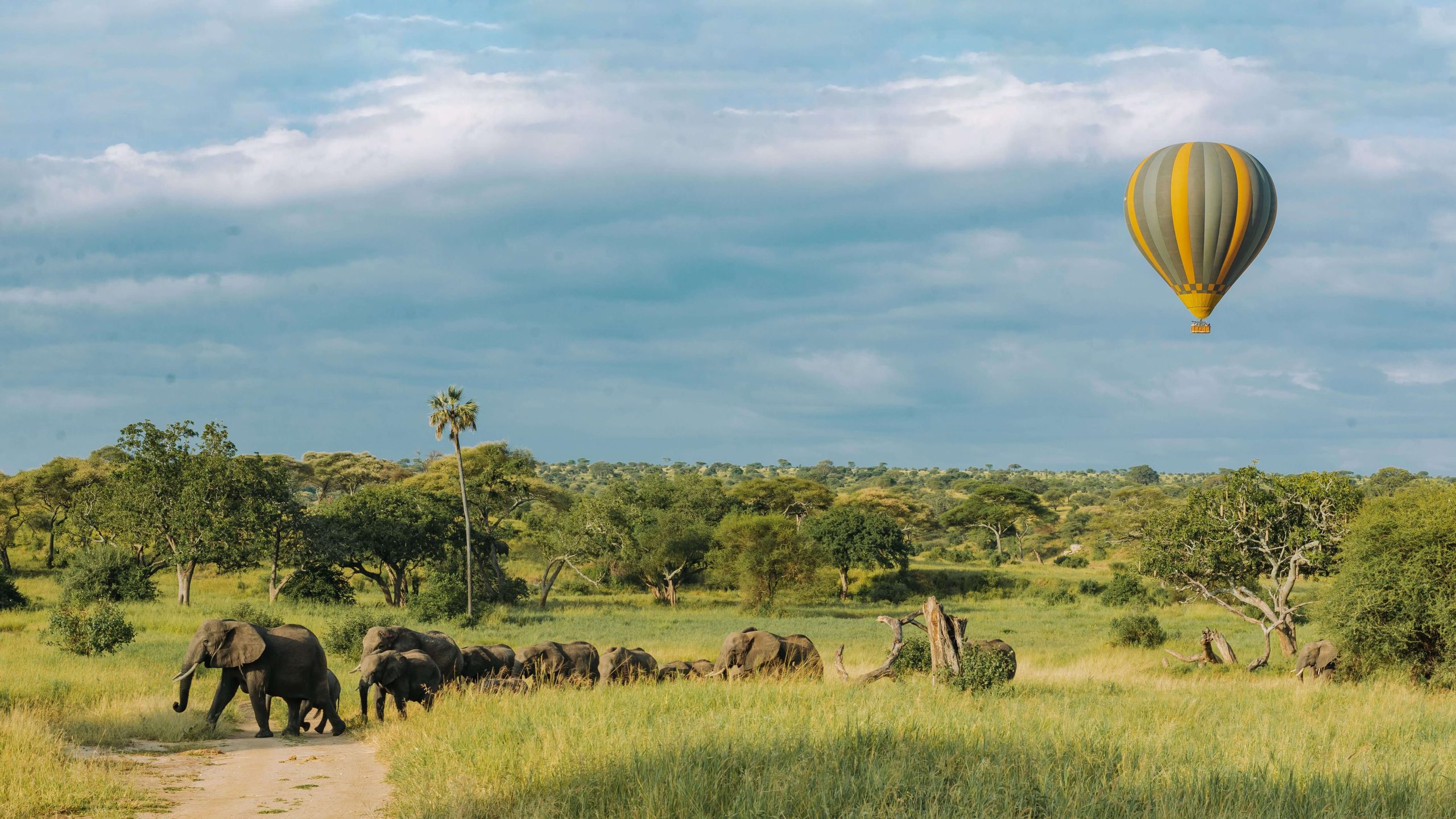

December is one of the best months to visit the Serengeti if you want green landscapes, large herds on the southern plains, and fewer vehicles than the dry-season peak. Expect afternoon showers, lush grass, and the wildebeest herds spread across the Southern Serengeti and Ndutu area as they prepare for calving season.
Here is the honest trade-off. December brings the short rains ("Vuli"), muddy tracks, and a holiday surge that pushes lodge prices sharply higher between December 20 and January 5. Book late and you will pay for it, or find the camp you wanted already full.
Serengeti in December at a Glance
- Weather: Warm days around 25–28°C, cooler nights around 15–17°C, with short afternoon or evening downpours.
- Migration: Large herds concentrated in the Southern Serengeti, the Ndutu region, and the Kusini plains.
- Landscape: Green, fresh grass, flowering plains, and dramatic cloud-filled skies for photographers.
- Crowds: Moderate in early December, heavy in the Christmas and New Year window.
- Pricing: Lower in the first two weeks, peak surcharges from December 20 to January 5.
- Birding: Excellent, as Palearctic migrants such as European bee-eaters and Eurasian rollers are in residence.
Temperatures and rainfall shift from year to year, so treat these figures as typical ranges rather than guarantees. Tanzanian guides often point out that the Vuli rains are less predictable than the long rains of March to May. Some Decembers are almost dry for a week at a time, others bring storms most afternoons.
Serengeti Weather in December: What the Short Rains Really Mean
The short rains usually begin in late October or November and fade by January. In December, the pattern is typically a bright, clear morning, building cloud by midday, and a shower or thunderstorm in the afternoon or evening. Rain rarely lasts all day.
That rhythm suits game drives well. Morning drives are usually dry and crisp, and the post-storm light is some of the best of the year for photography.
Temperature and Humidity
The Serengeti sits at roughly 1,500 to 1,800 meters, so it never feels as hot as the coast. Midday can feel warm and humid after rain, while early mornings in open vehicles are genuinely cool.
- Pack layers for 6:00 a.m. departures. A light fleece or windbreaker earns its place.
- Expect humidity to rise after storms, which can fog camera lenses when moving from air-conditioned lodges to the vehicle.
- UV is strong even on cloudy days, so bring sunscreen and a wide-brimmed hat.
Rainfall Patterns by Region
Rain is not evenly spread. The Southern Serengeti and Ndutu plains often receive earlier and heavier Vuli rains, which is exactly why the herds gather there. The north and the Kogatende area are typically drier in December because the herds have moved away.
Why the Landscape Turns Green
The rains trigger fast grass growth, especially the short, nutrient-rich grasses of the southern plains. That grass is the reason the herds return from the north. It is also why December feels so different from the golden, dusty look of August.
Read: Serengeti Safari in January: Calving Season & What to Expect.
The Wildebeest Migration in December
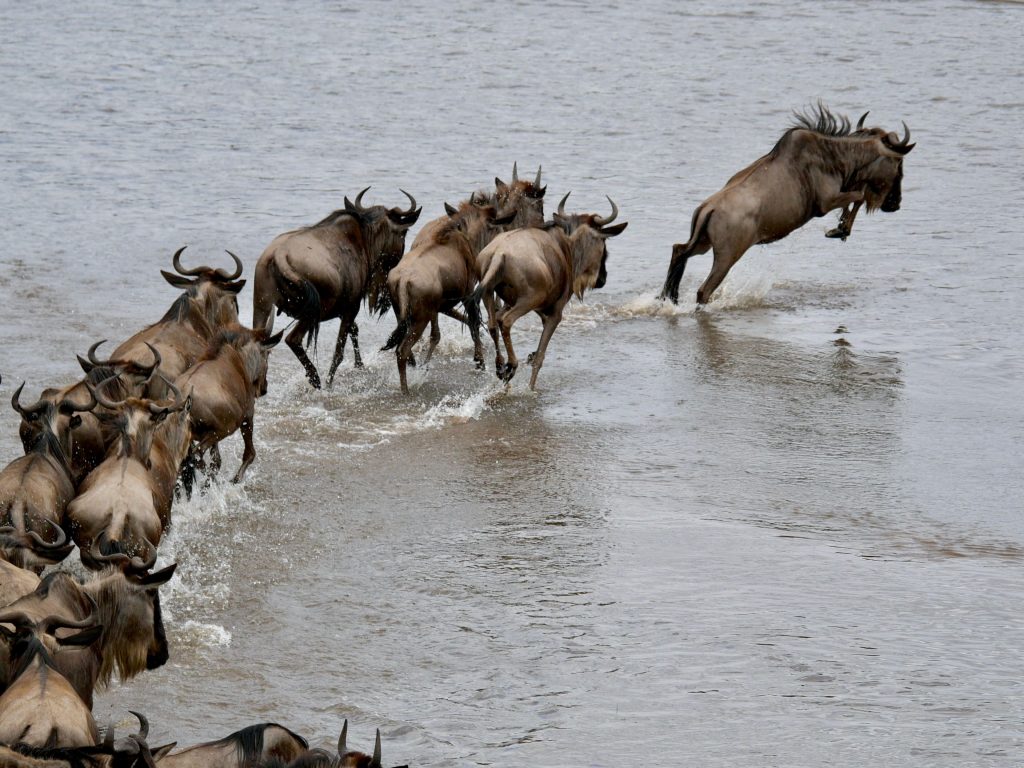
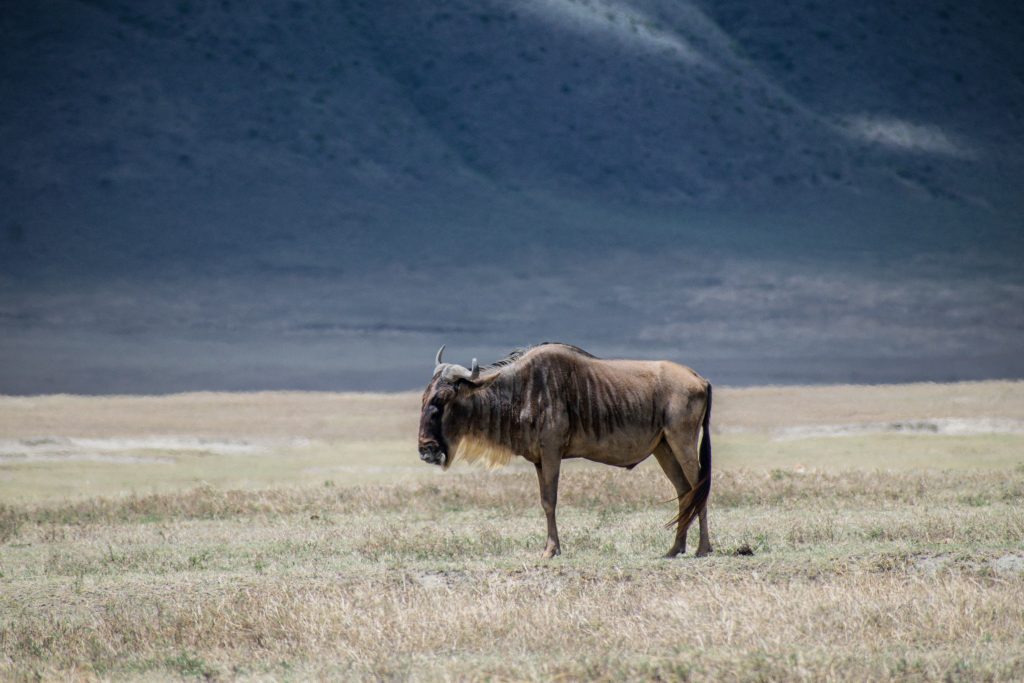
By December, most of the roughly 1.3 million wildebeest, along with hundreds of thousands of zebra and gazelle, have completed their journey south. They spread across the Southern Serengeti and into the Ndutu area, grazing on the new grass.
This is a settling-in phase, not a dramatic river-crossing phase. The Mara River crossings happen months earlier, typically July to October.
Ndutu Plains and Calving Preparation
The herds are fattening up and gathering for the calving season, which peaks from late January through February. In December, many cows are heavily pregnant, and the first early births can start before the main surge.
The Ndutu Plains and the open Kusini grasslands hold the highest concentrations. Predators follow, so lion, cheetah, and spotted hyena sightings are often strong in the same areas.
Where the Herds Actually Are
Herd locations change with the rain. Guides track fresh storms because the herds move toward green flush, sometimes shifting a dozen kilometers in a few days. If you want the biggest concentrations, choose accommodation in the south rather than in the central Seronera area.
- Ndutu region: Large herds, open plains, strong predator activity. Note that Ndutu sits within the Ngorongoro Conservation Area, so separate fees apply.
- Southern Serengeti (Kusini and Naabi Hill area): Wide-open views and big herds on the short-grass plains.
- Central Seronera: Resident wildlife is excellent, but migratory herds are usually more scattered.
View Serengeti Great Migration Packages:
- 4-Day Luxury Migration Fly-In Safari
- 7-Day Wildebeest Migration & Culture Safari
- 8 Days: Serengeti Great Migration
December Wildlife Beyond the Migration
You do not need to see a river crossing to have a spectacular safari. December is a strong month for predators, newborns of resident species, and birdlife.
- Big cats: Lions and cheetahs hunt around the herds on the southern plains. Leopards remain more reliably seen in the acacia and riverine areas near Seronera.
- Newborns: Many resident species, including impala, topi, and warthog, have young around this time.
- Birds: Migrant species arrive, and the resident birdlife is in breeding plumage. Serious birders often rate the Vuli months as the best of the year.
- Photography: Green plains, stormy skies, and rainbows create dramatic backdrops that dry-season safaris rarely offer.
Add a pair of quality binoculars to your kit. A popular choice among safari travelers is the Nikon Monarch 5 10x42 Binoculars, which combine good low-light performance with a durable, waterproof build.
Is Christmas a Good Time to Visit the Serengeti
Yes, with caveats. Christmas is a good time to visit the Serengeti for wildlife and weather, but it is the most expensive and most crowded part of December. If you can travel in the first two weeks of the month, you get nearly the same wildlife for much less money.
Holiday Crowd Spikes
The surge is real. Families, honeymooners, and long-haul travelers all converge on the same few weeks. Popular camps and lodges in the south and the central Serengeti fill early, and vehicles gather at productive sightings.
The Serengeti is huge, so it rarely feels crowded the way a city does. Still, a lion sighting near Seronera can draw several vehicles in the holiday window.
Checking Availability and Securing Your Spot
December brings a rush of travelers eager to catch the year-end holiday window, which means top-tier camps and private vehicles fill up fast. Even so, operators maintain rolling seat allocations, and group-joining packages frequently keep open slots ready for travelers booking on a shorter timeline.
- Check Live Seats Early: Availability shifts daily on the ground, so inspect current tour schedules and open slots the moment your travel dates are locked in.
- Use Flexible Booking Policies: Look for packages featuring Reserve Now & Pay Later alongside Free Cancellation up to 24 hours ahead, letting you secure your spot with zero upfront financial pressure.
- Group Joining Options: When private lodges hit capacity, 3-day or 4-day group camping trips and mid-range safaris provide reliable, daily departures straight into the Serengeti and the Ngorongoro Crater.
Peak Surcharges Between December 20 and January 5
Many lodges and camps apply a peak-season supplement between December 20 and January 5. Depending on the property, this can add a noticeable percentage to the nightly rate. Private guiding and vehicle hire may also cost more.
Park fees are set by Tanzanian authorities and published per person per day, with separate fees for conservation areas such as Ngorongoro. Rates are reviewed periodically, so check the current official figures before you budget.
Pro Tip: Arrive between December 1 and 15 and leave before December 20. You still get green landscapes and the herds on the southern plains, and you avoid the holiday surcharge window. Alternatively, travel January 6 onward, when prices fall and the herds are close to calving.
Early December vs. Late December: Comparison Table
| Factor | Early December (1–15) | Late December (20–31) |
|---|---|---|
| Pricing | Standard or shoulder rates | Peak surcharges at most camps |
| Crowds | Light to moderate | Heavy at popular sightings |
| Availability | Easier, but check live availability early | High demand: best camps fill quickly, so check live dates |
| Rain | Showers building | Often more frequent storms |
| Wildlife | Herds settling in the south | Herds pregnant, calving approaching |
| Best for | Value, photography, quieter drives | Families on school holidays, festive stays |
The table above compares the calendar. Region matters as well:
| Factor | Southern Serengeti / Ndutu | Central Serengeti / Seronera |
|---|---|---|
| Migration herds | Very high concentrations | Scattered, depends on rain |
| Big cats | Lions and cheetahs on open plains | Leopards, lions, and cheetahs in varied terrain |
| Roads in rain | Soft ground and mud on open plains | Slippery tracks near rivers and drainage lines |
| Landscape | Wide-open green plains | Acacia woodland, kopjes, and rivers |
| Access | Naabi Hill Gate, Ndutu airstrip (NDU) | Seronera airstrip (SEU), central roads |
Driving Conditions Around Seronera and Naabi Hill Gate
Rain changes how the roads behave, and it is the main logistical challenge of a December safari. Good guides read the ground the way sailors read the sea.
Black Cotton Soil Traps
Much of the Serengeti has black cotton soil, which turns into slick, sticky mud when wet. Vehicles can bog down quickly, and tracks that were fine in the morning may be impassable after an afternoon storm.
- Vehicles may take detours across open plains where drainage is better.
- Drive times between lodges and gates can double during or after heavy rain.
- Plan for delays and do not schedule tight connections on the same day as a long transfer.
Naabi Hill Gate
Naabi Hill Gate is the main entrance to the Serengeti from the Ngorongoro side, and it is the gateway to the southern plains. Park formalities, including permits and fee payment, take place here, and queues can build in the holiday peak. Operators generally handle paperwork, but arriving earlier in the day reduces the risk of afternoon storms on the road beyond the gate.
Seronera Roads
The Seronera area has the best-maintained road network, but low sections near rivers and drainage lines can flood. Experienced drivers know which tracks hold up in the wet and which do not, which is why a good guide matters more in December than in any other month.
- Choose a 4x4 safari vehicle with a pop-up roof and a reliable driver-guide.
- Ask your operator about recovery equipment, spare tires, and radio contact with camps.
- Expect game drives to flex around weather, with long mid-day breaks at the lodge when storms hit.
How to Get to the Serengeti in December
Most travelers fly into Kilimanjaro International Airport (JRO) near Arusha, with some using Julius Nyerere International Airport (DAR) in Dar es Salaam or Arusha Airport (ARK) for domestic connections. From there you can drive or take a light aircraft.
Flying vs. Driving
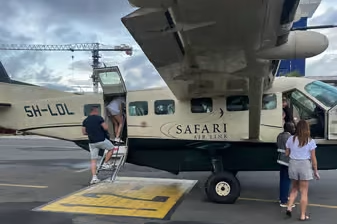
Flying is often the smarter choice in the rainy season because road travel from Arusha takes a full day and can be disrupted by mud.
- By air: Scheduled light aircraft fly from Arusha to airstrips including Seronera (SEU), Ndutu (NDU), and Kogatende (KTE). Flights are typically short and offer superb views of the green plains.
- By road: Overland trips from Arusha usually pass through the Ngorongoro Conservation Area and reach Naabi Hill Gate. It is scenic but long, and heavy rain slows progress.
- Weather risk: Flights can be delayed or rerouted by storms, so leave buffer time before international departures.
Luggage Limits on Light Aircraft
Light aircraft strictly enforce baggage limits, often around a 15 kg soft-sided duffel limit including camera gear. Hard-shell suitcases are generally not accepted. Confirm the exact allowance with your operator before you pack.
What to Pack for a December Safari
The right kit turns a rainy afternoon into a comfortable one. The aim is light layers, rain protection, and gear that dries quickly.
- Clothing: Neutral colors such as khaki, olive, and tan. Avoid bright colors, and skip dark blue and black, which attract tsetse flies in some areas.
- Rain protection: A lightweight packable rain jacket and a waterproof pouch for phones and documents.
- Camera gear: A rain cover for your lens, silica gel packs, and microfiber cloths.
- Power: A 10,000 to 20,000 mAh power bank, since many camps use solar power with limited charging windows.
- Footwear: Closed, broken-in shoes with decent grip, plus camp sandals.
- Health: Insect repellent, sunscreen, and any required malaria prophylaxis. Speak to a travel clinic well ahead of departure.
For photographers, consider a waterproof camera rain sleeve and a beanbag for stabilizing a long lens on the vehicle window. Both are inexpensive compared with the cost of a flooded camera body.
Read in detail: What to Pack for a Serengeti Safari: Essential Gear & Clothing.
Planning Tips for Families and First-Timers
First-time safari planners often underestimate how long the drives are. A December itinerary should be flexible enough to absorb weather delays.
- Allow at least 4 to 5 nights in the Serengeti, ideally split between the south and the center.
- Combine with Ngorongoro Crater at the start or end for a different habitat and a chance to see black rhino.
- Children: Many camps set minimum ages for game drives, often around 6 to 12 years. Ask about family vehicles and child policies before booking.
- Festive stays: Camps often prepare Christmas dinners and bush celebrations. Confirm what is included and what costs extra.
- Travel insurance: Choose a policy covering medical evacuation, including light aircraft evacuation.
Feedback from safari travelers consistently shows that the best December trips are the ones with built-in flexibility. A rainy afternoon spent watching a storm roll across the plains from a camp veranda often becomes the memory people talk about afterward.
Key Takeaways for Your December Serengeti Trip
- Choose the Southern Serengeti and Ndutu area if you want the herds.
- Travel December 1 to 15 for better value and fewer vehicles.
- Book 8 to 12 months ahead for Christmas and New Year.
- Fly in if you can, and keep a buffer day before your international flight.
- Pack for rain, but bring sun protection too.
- Use a skilled driver-guide, because mud, not wildlife, is the biggest variable.
Frequently Asked Questions
Is December a good time to visit the Serengeti?
Yes, December is a very good time to visit thanks to green landscapes, large herds in the south, and excellent birdlife. Expect short afternoon showers and plan for muddy roads.
Where is the wildebeest migration in December?
In December the herds are typically in the Southern Serengeti and the Ndutu area, grazing on fresh short grass. They are gathering ahead of the calving season, which peaks in late January and February.
How far ahead should I book a Christmas safari in the Serengeti?
Check live availability as early as possible for travel between December 20 and January 5, because peak-season camps fill quickly and apply surcharges. Group-joining tours and operators keep rolling seat allocations, so many travelers can still reserve now and pay later.