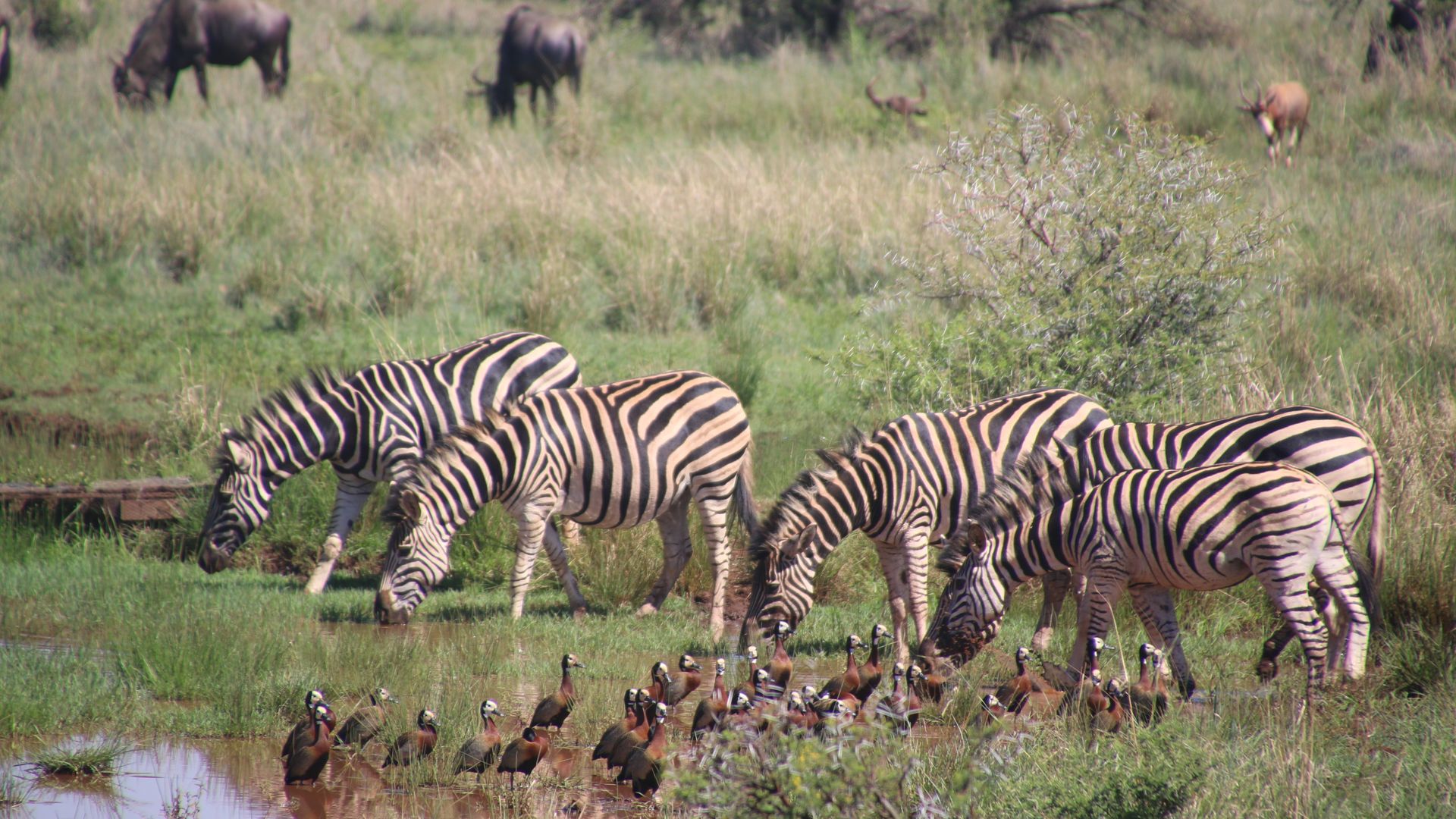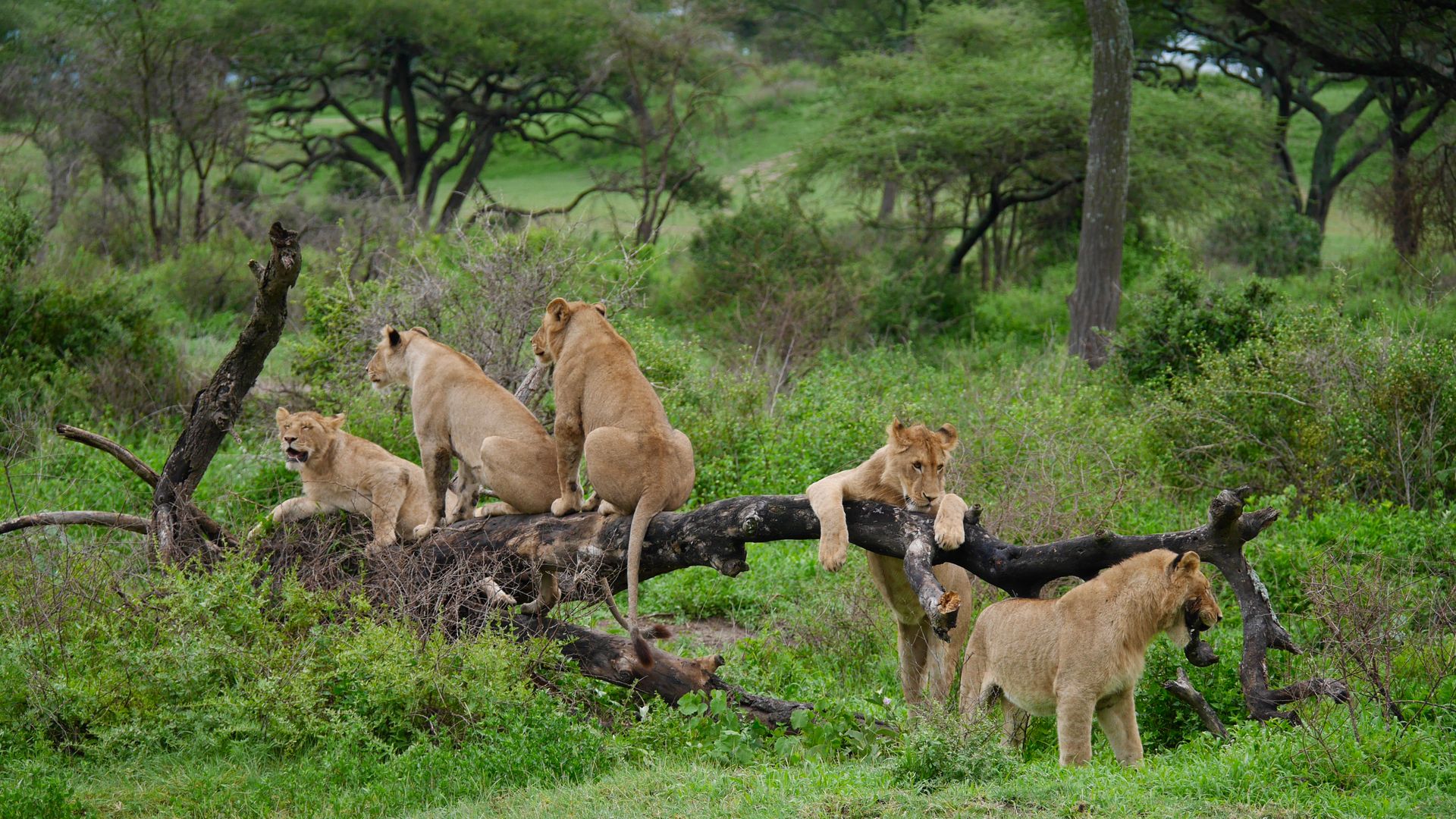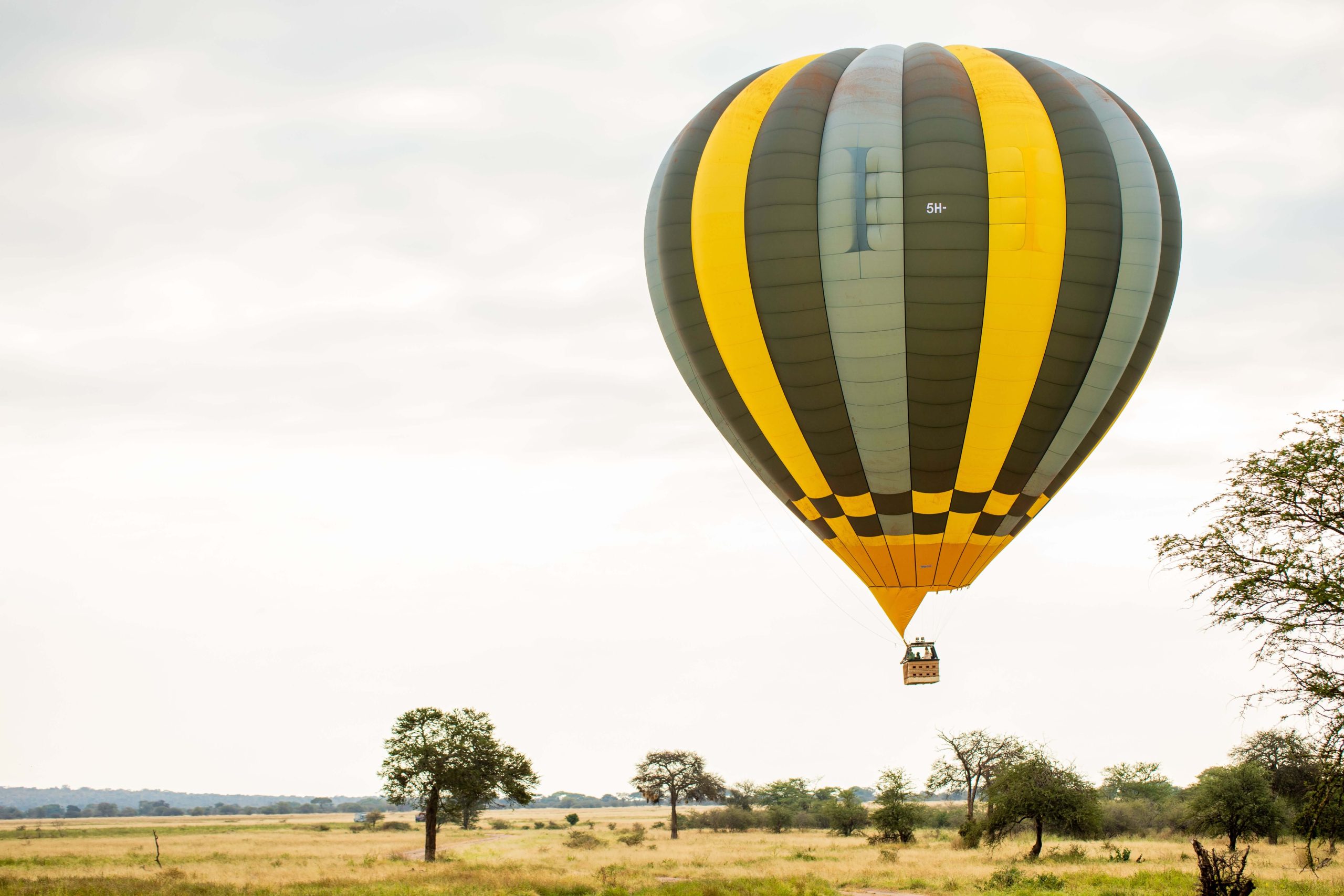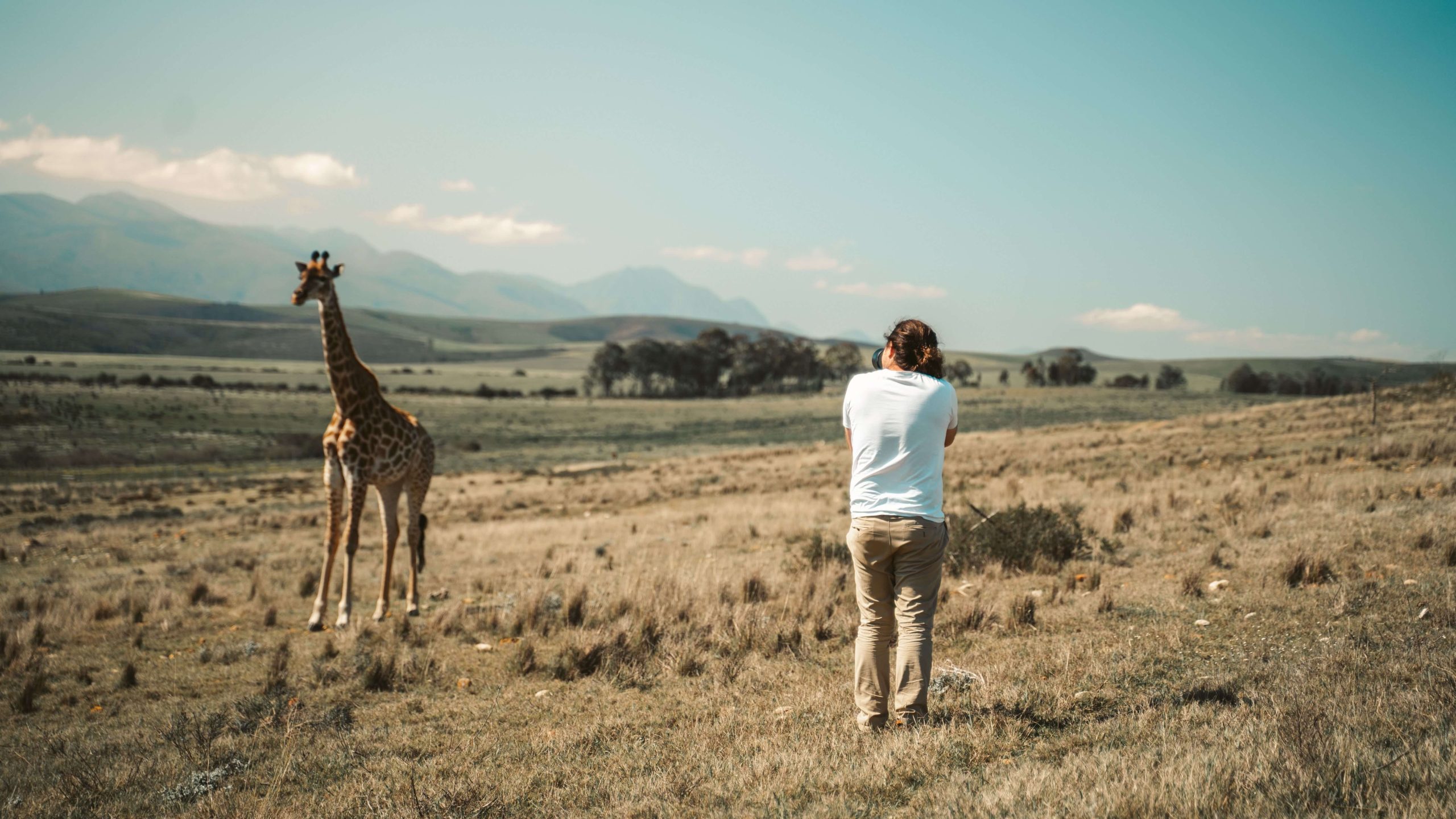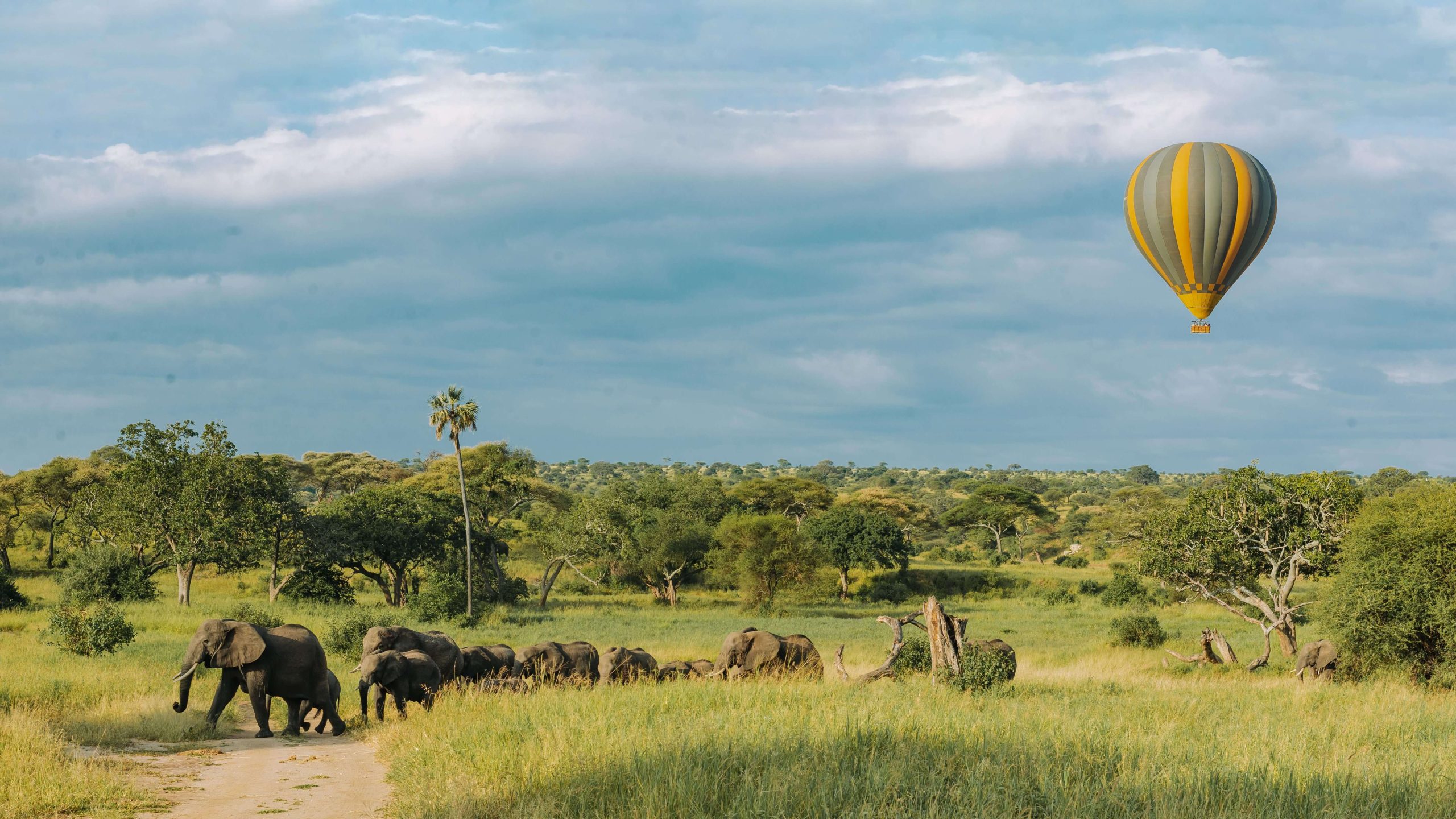

The Serengeti ecosystem covers roughly 30,000 square kilometers of northern Tanzania and splits into four distinct safari regions — Central (Seronera), Northern (Kogatende/Lamai), Western Corridor (Grumeti), and Southern (Ndutu) — each tied to a different phase of the Great Migration. Where you base yourself determines which animals you see, how far you drive each day, and what you pay per night, which is why region selection matters more than park selection for anyone planning a Tanzania safari.
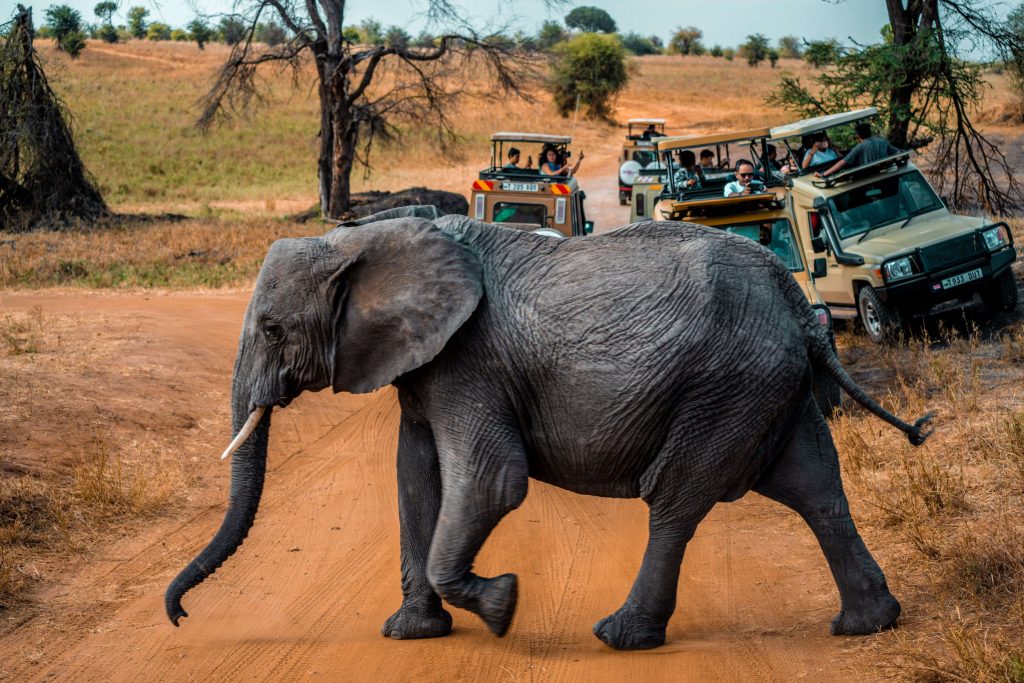
Insider Trade-Off: Northern Serengeti during the July–September river crossings delivers the most dramatic wildlife theater on the continent, but camps there sit 6–8 hours by road from the nearest international airport and command a premium for chartered flights. Central Serengeti, by contrast, has year-round game and a 45-minute airstrip transfer — at the cost of sharing sightings with more vehicles during peak months. Neither trade-off is wrong. It just depends on whether you're chasing a specific event or a reliably good game drive.
Understanding the Serengeti Regions
Each of the four zones has its own terrain, its own resident wildlife, and its own relationship to the migration calendar. Camp managers across the ecosystem consistently tell prospective guests the same thing: pick your region based on what month you're traveling, not based on which name sounds most familiar.
Central Serengeti (Seronera Valley)
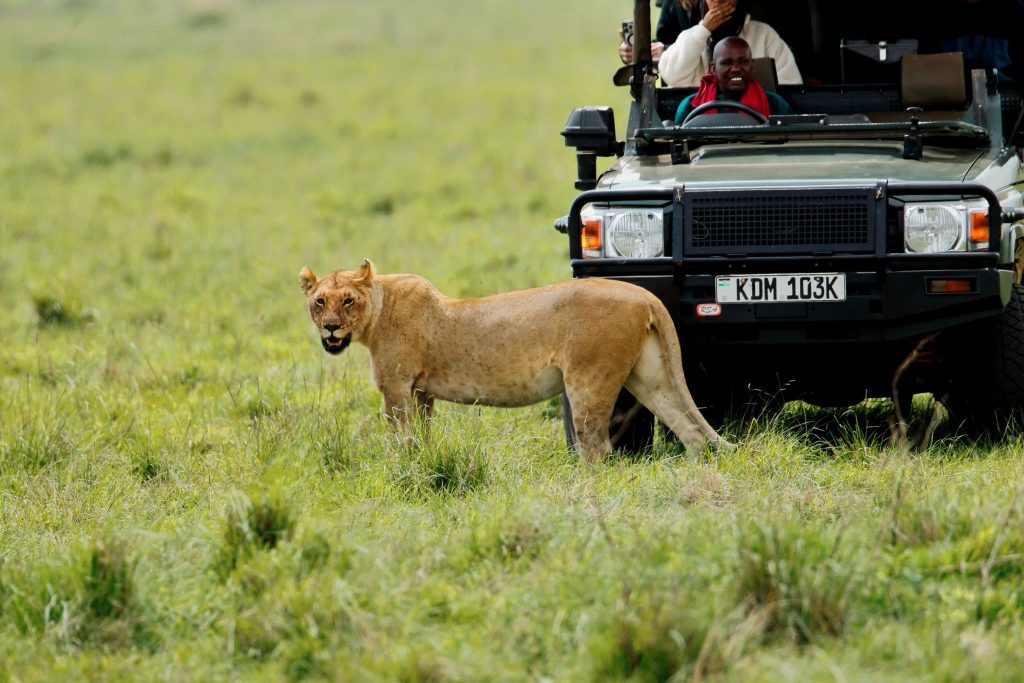
Seronera sits at the geographic heart of the park, where the Seronera River cuts through open grassland studded with kopjes — the granite outcrops that give resident lions and leopards their favorite lookout perches. This is the only region with strong game density in every month of the year, since the river and its riverine forest hold water and prey even in the dry season.
- Terrain: Mixed savanna, acacia woodland, and rocky kopjes; the most classic "postcard Serengeti" landscape.
- Resident wildlife: High leopard density along the river, a well-studied lion population, hippo pools, and consistent cheetah sightings on the open plains.
- Migration timing: The herds pass through Seronera from roughly November to May, but resident predators mean worthwhile game drives happen here regardless of season.
- Best for: First-time visitors, shorter trips (3–5 nights), travelers who want reliability over rarity.
Northern Serengeti (Kogatende / Lamai Wedge)
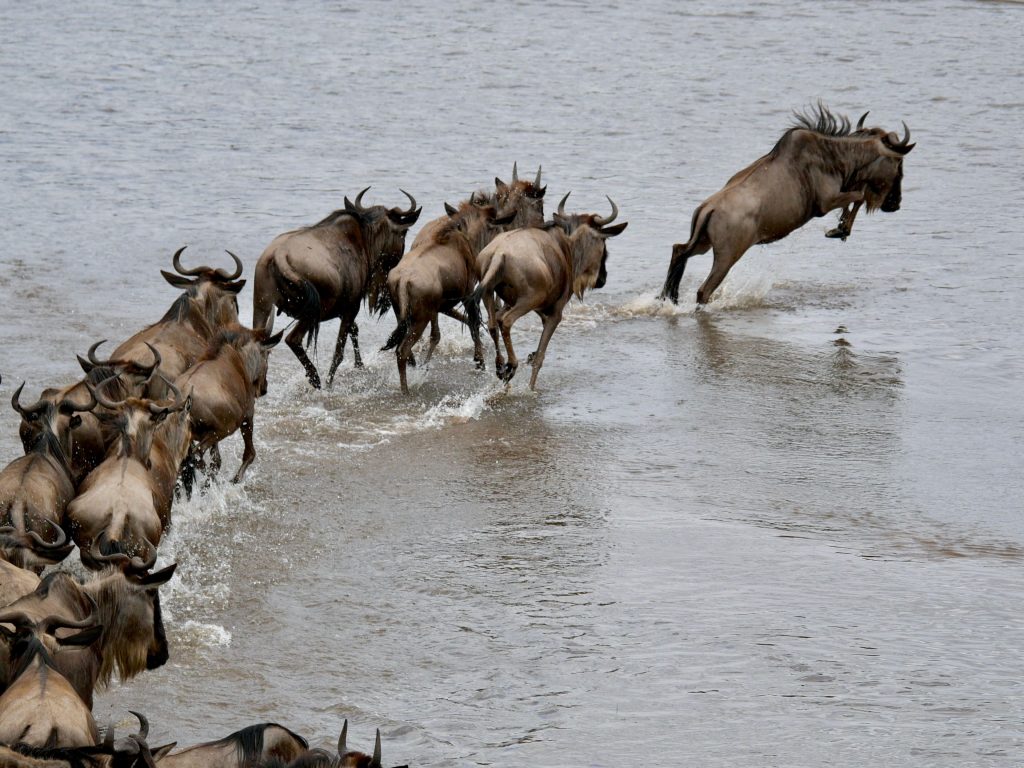
This is river-crossing territory. The Mara River winds through steep banks and thick riverine bush here, and between roughly July and September, wildebeest and zebra gather in enormous columns before plunging across — often into waiting crocodiles. Camp operators in this region report that guest satisfaction hinges almost entirely on flexibility, since crossings can happen at dawn, midday, or not at all on a given day.
- Terrain: Rolling hills, dense riverine forest along the Mara, more remote and less-visited plains than Central.
- Resident wildlife: Strong lion prides, good elephant numbers, and — during crossing season — some of the highest concentrations of wildebeest anywhere in Africa.
- Migration timing: Peak crossings run July through September, sometimes extending into early October depending on rainfall patterns further south.
- Best for: Repeat safari-goers, photographers targeting river-crossing images, travelers willing to build a flexible multi-day itinerary around a single event.
Western Corridor (Grumeti River)
The Grumeti River area is the least crowded of the four zones for most of the year, and it holds its own smaller-scale river crossings — often in June, ahead of the northern surge. Veteran safari planners point to this region for travelers who want migration drama without Northern-circuit crowds or Northern-circuit flight costs.
- Terrain: Riverine forest along the Grumeti, black cotton soil plains that turn to thick mud in the rains, and patches of miombo woodland.
- Resident wildlife: Notable crocodile population in the Grumeti River, good numbers of giraffe and topi, and increasing lion density as prides follow the herds westward.
- Migration timing: The herds typically move through the Western Corridor in May and June, en route north.
- Best for: Travelers combining the Serengeti with a Lake Victoria extension, or anyone prioritizing exclusivity over guaranteed big-cat density.
Southern Serengeti (Ndutu / Southern Plains)
Ndutu technically straddles the boundary between Serengeti National Park and the Ngorongoro Conservation Area, and it hosts one of the most reliable wildlife events on the calendar: calving season. Between roughly late January and March, hundreds of thousands of wildebeest calves are born within a few short weeks, drawing every predator in the ecosystem to the open plains.
- Terrain: Short-grass plains, seasonal alkaline lakes, minimal tree cover, and wide-open sightlines in every direction.
- Resident wildlife: Extraordinary predator density during calving season — cheetah, lion, and hyena all concentrate here to exploit the vulnerable newborns.
- Migration timing: Calving peaks late January through March; herds disperse north again by April as rains push them toward fresh grazing.
- Best for: Predator-action photographers, travelers who want calving season specifically, and those combining Ndutu with a Ngorongoro Crater add-on.
Nearby Northern Circuit Highlights
None of these sit inside Serengeti National Park itself, but all four are commonly bolted onto a Serengeti itinerary, and skipping them is one of the most common regrets first-time planners report after the fact.
Ngorongoro Crater
The Ngorongoro Crater is a collapsed volcanic caldera roughly 19 kilometers across, and its floor holds one of the highest densities of large mammals anywhere on Earth — including one of Tanzania's last free-ranging black rhino populations. Because the crater floor is a closed system, sightings are dense but access is tightly regulated, with vehicle quotas and strict descent/ascent windows.
- Full-day crater floor tours typically run 6–8 hours, departing from crater-rim lodges before dawn to beat both the crowds and the midday heat.
- Rim-lodge nights are notably cold — elevation here sits above 2,200 meters, and temperatures can drop into the single digits Celsius after dark.
- Crater floor access fees are separate from Serengeti park fees and are charged per vehicle per day, so factor this into your budget conversation with your operator.
Tarangire National Park
Tarangire is best known for its baobab-studded landscape and, during the dry season (June–October), some of the largest elephant herds in Tanzania as they concentrate around the Tarangire River. Guides frequently flag it as an underrated add-on for travelers who assume Serengeti and Ngorongoro alone cover "everything."
- Elephant herds here can number in the hundreds during peak dry season, gathering along the riverbed for water access.
- The park also holds a strong population of tree-climbing lions and a notably high density of breeding bird species, making it a favorite among birding-focused travelers.
- Tarangire pairs naturally with a Lake Manyara stop, since both sit along the same road route between Arusha and the Serengeti gates.
Lake Manyara
Lake Manyara National Park is compact — easily covered in a half-day — but it packs in a ground-water forest, a soda lake that draws thousands of flamingos in the right season, and a rift valley escarpment backdrop. Its tree-climbing lions are a genuine, if inconsistent, draw; sightings depend heavily on the season and recent rainfall.
- Best visited as a half-day stop between Arusha and Tarangire or the Serengeti, rather than a standalone multi-night destination.
- Flamingo numbers on the lake fluctuate significantly with water levels, so timing is somewhat unpredictable year to year.
- The forest sections hold baboon troops, blue monkeys, and dense birdlife, offering a different visual texture from the open plains further west.
Zanzibar Beach Extensions
A large share of Serengeti travelers tack on 3–5 nights in Zanzibar at the end of their safari, and camp operators across the Northern circuit describe this as close to a default itinerary shape rather than an exception. The contrast — dust and game drives followed by warm Indian Ocean water — is part of the appeal.
- Direct flights connect Arusha (via JRO) and the Serengeti's own airstrips to Zanzibar (ZNZ), typically routing through Arusha or Dar es Salaam (DAR).
- Stone Town, Zanzibar's historic center, is worth a half-day even for travelers who otherwise plan to stay beachside the entire extension.
- Peak beach season (June–October, December–February) overlaps significantly with peak safari season, so book accommodations for both legs well in advance.
Seasonal Migration & Regional Timing
The Great Migration is a continuous, weather-driven loop rather than a single event, and matching your travel dates to the right region is the single highest-leverage planning decision you'll make.
- January–February: Herds concentrate on the Southern Plains around Ndutu for calving. Short rains have typically ended, grass is short and green, and predator activity is at its yearly peak. Crowds are moderate; pricing sits at high season rates.
- March–April: Long rains begin, roads soften, and some camps in the south close or reduce rates. The herds start drifting northwest out of Ndutu. This is the best window for value-conscious travelers willing to accept wetter, muddier conditions.
- May–June: The migration pushes through the Western Corridor and Grumeti area, with smaller river crossings possible late in this window. Rains taper off, grass grows tall, and game viewing improves steadily through June.
- July–September: Peak Northern Serengeti season. The dramatic Mara River crossings happen during this window, crowds concentrate heavily around Kogatende and the Lamai Wedge, and camp rates hit their yearly high.
- October–November: Herds begin moving back south as the short rains arrive. Northern Serengeti empties out while Central Serengeti sightings remain strong; this transitional window offers a good crowd-to-game ratio.
- December: Short rains continue intermittently, herds spread across the Southern and Central regions, and the ecosystem turns green ahead of calving season. December is a reasonable value window that's frequently overlooked in favor of the January calving rush.
Pro Tip: Map your itinerary around the migration's location first, then choose your regions second — most planning mistakes happen when travelers lock in dates around flight availability or a fixed number of nights before checking where the herds will actually be. A 7-night trip built as Ndutu → Central → Northern (or the reverse, depending on season) consistently outperforms a trip confined to a single region, because it follows the animals instead of asking them to come to you.
Accommodation Breakdown Across Regions
Lodge and camp rates in the Serengeti ecosystem span an unusually wide range, and location inside a region often matters as much as the star rating on the property itself.
Luxury ($800–$2,000+ per person, per night)
Top-tier camps in Northern Serengeti and the Lamai Wedge charge premium rates largely because of exclusivity and proximity to crossing points — some sit within walking distance of the Mara River's main crossing sites. Central Serengeti's luxury properties trade river-crossing proximity for year-round wildlife access and shorter transfer times from the airstrip. Expect private guides, small guest counts (often under 20 beds), and rates that typically include all meals, drinks, and two game drives daily.
Mid-Range ($350–$700 per person, per night)
This tier represents the bulk of Serengeti bookings, spanning solid tented camps and permanent lodges across all four regions. Mid-range Central Serengeti properties near Seronera offer strong value given the area's consistent game density, while mid-range Ndutu camps during calving season frequently sell out months in advance despite the lack of ultra-luxury finishes. Guides at this tier are generally shared among a small number of vehicles rather than fully private.
Authentic Tented Camps ($150–$300 per person, per night)
Smaller, seasonal, and often mobile, these camps follow the migration and move with it — some Ndutu and Western Corridor operators physically relocate their entire camp between seasons to stay close to the herds. Facilities are simpler (bucket showers, canvas walls, generator-powered electricity for limited hours), but the wildlife access frequently rivals properties charging three times as much. This tier suits travelers prioritizing authenticity and budget over creature comforts.
| Region | Luxury | Mid-Range | Authentic Tented |
|---|---|---|---|
| Central (Seronera) | Year-round base, premium river-view camps | Excellent value, strong resident game | Limited but available near park boundary |
| Northern (Kogatende/Lamai) | Prime crossing-season properties | Solid options, book 6+ months ahead for July–Sept | Fewer options; mostly seasonal mobile camps |
| Western Corridor (Grumeti) | Exclusive, low-density luxury tented camps | Growing selection, good value May–June | Seasonal camps tracking the migration |
| Southern (Ndutu) | Premium calving-season camps | Well-represented, sells out for Jan–March | Classic mobile tented camp territory |
Logistics & Regional Travel Routes
Getting between Serengeti regions involves either scheduled bush flights or long road transfers, and the right choice depends on your budget, your itinerary length, and how much driving time you're willing to trade for cost savings.
Bush Flights
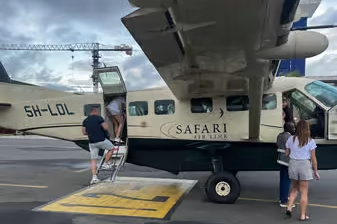
Scheduled light-aircraft services connect most Serengeti airstrips to each other and to Arusha's Kilimanjaro International Airport (JRO). Common routings include:
- JRO to Seronera (SEU): Roughly 1 hour, the most common entry point for Central Serengeti stays.
- Seronera (SEU) to Kogatende (KLO): Around 30–40 minutes, connecting Central to Northern Serengeti without the multi-hour road transfer.
- JRO to Grumeti-area airstrips: Roughly 75–90 minutes depending on the specific strip serving your camp.
- Mwanza (MWA) connections: Useful for travelers combining a Western Serengeti stay with a Lake Victoria extension, since Mwanza sits close to the Western Corridor.
- Onward to Zanzibar (ZNZ): Typically routed through Arusha (JRO) or Dar es Salaam (DAR), with total travel time from a Serengeti airstrip running 3–4 hours door to door.
- Domestic hub at Arusha (ARK): Arusha Airport handles some smaller domestic hops and charter traffic distinct from the larger Kilimanjaro International Airport (JRO).
Road Transfers
Driving between regions is significantly slower but considerably cheaper, and it's the standard way most travelers enter the park in the first place.
- Arusha/Karatu to Naabi Hill Gate (main Serengeti entrance): Roughly 3–4 hours, passing through the Ngorongoro Conservation Area en route.
- Naabi Hill Gate to Seronera (Central): About 1–1.5 hours on decent gravel road.
- Seronera to Kogatende (Northern): A demanding 3–4 hour drive on rougher tracks, best broken up with game viewing along the way rather than treated as pure transit.
- Seronera to Western Corridor (Grumeti): Approximately 2–3 hours, depending on the specific camp location and road conditions after rain.
- Ndutu to Naabi Hill Gate/Central Serengeti: Around 1.5–2 hours, making Ndutu a realistic add-on rather than a fully separate trip.
Road transfers between the Southern Plains and Northern Serengeti in a single day are not realistic; multi-region itineraries almost always combine at least one internal flight with road segments for the shorter hops.
Essential Packing for Multi-Region Safaris
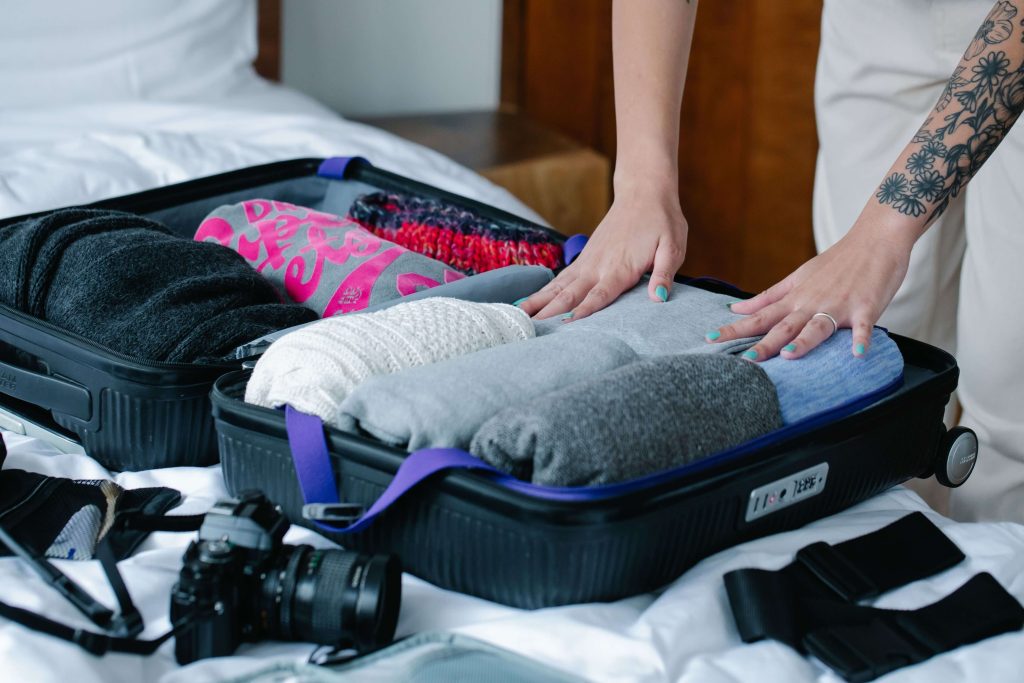
Multi-region itineraries put more demand on gear than a single-camp stay, since you're dealing with dust, temperature swings, and long-distance optics needs across genuinely different environments.
- Binoculars (8x42 or 10x42): Central and Southern Serengeti's open plains reward higher magnification for spotting distant predators, while Northern Serengeti's denser riverine bush favors a wider field of view. A mid-range 8x42 pair balances both needs without excessive weight.
- Dust-proof camera bag: Road transfers between regions, especially the Seronera-to-Kogatende route, kick up fine dust that works into unprotected gear within a single drive. A sealed, padded bag protects camera bodies and lenses far better than a standard backpack.
- Thermal layers for crater rim nights: Ngorongoro's rim elevation (over 2,200 meters) means near-freezing nights even when the Serengeti floor below sits at a comfortable 20°C. Pack at least one genuine insulating layer even on an otherwise warm-weather itinerary.
- Neutral-colored, lightweight clothing: Khaki, olive, and tan tones minimize both insect attraction and dust visibility across multi-day wear between camp laundry services.
- Wide-brim hat and high-SPF sun protection: The open plains of Central and Southern Serengeti offer minimal shade during midday game drives, and equatorial-latitude sun is stronger than most travelers expect.
- Basic first-aid and anti-malarial supplies: Confirm your specific anti-malarial prescription with a travel clinic before departure, since remote camps have limited on-site medical resources.
Frequently Asked Questions
Which Serengeti region is best for a first-time safari? Central Serengeti (Seronera) is generally the strongest choice for first-timers, since it offers reliable year-round game density and short airstrip transfers. It pairs well with a Ngorongoro Crater add-on for travelers who only have 4–5 nights total.
When is the best time to see the Mara River crossings? The Mara River crossings in Northern Serengeti peak between July and September, though exact timing shifts year to year based on rainfall patterns further south. Camps in this region strongly recommend building in flexible days rather than expecting a crossing on a fixed date.
Do I need to fly between Serengeti regions, or can I drive the whole route? Short hops, like Central to Southern Serengeti, are entirely drivable in under two hours. Longer connections, particularly to Northern Serengeti, are far more comfortable by scheduled bush flight given the rough, multi-hour road alternative.