
There is no single best month to visit the Serengeti. There's only a best month for where you want to be standing when the herds move through. Get that match wrong and you'll spend three days staring at empty grass wondering where a million wildebeest went.
Insider warning: August through October means glorious dry-season light and the famous Mara River crossings — but it also means bone-deep dust, packed campsites near Kogatende, and vehicles queued three-deep at river viewpoints. If you hate crowds, that trade-off matters more than any wildlife calendar.
The Great Migration Isn't a Season — It's a Loop
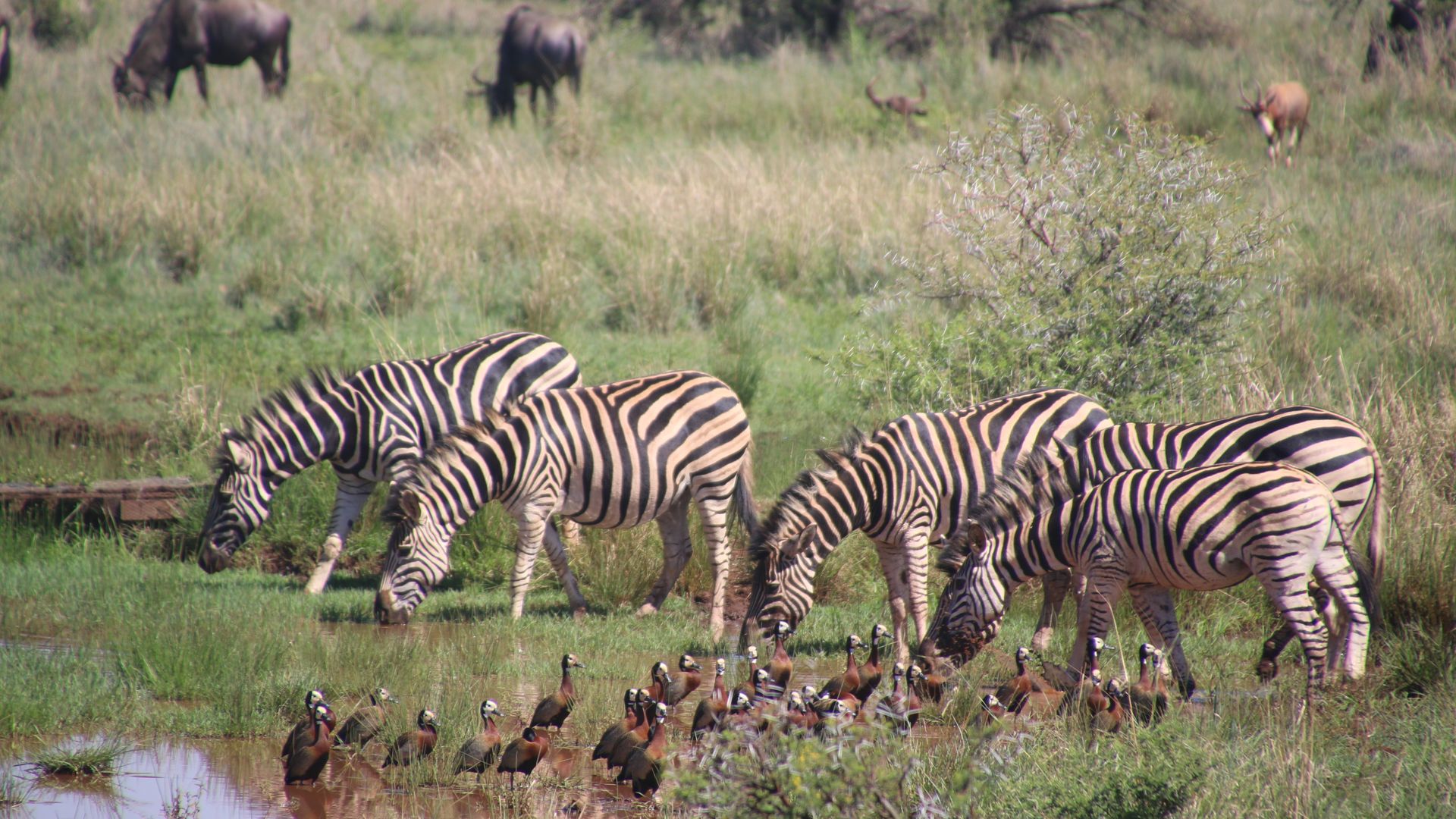
This is the single biggest misconception travelers run into when planning a trip to Tanzania. The Great Migration isn't an event that happens once a year and then stops. It's a continuous, circular movement of roughly two million wildebeest, zebra, and gazelle chasing rain and fresh grass across a 12,000-square-mile ecosystem that spans the Serengeti and Kenya's Masai Mara.
The herds are always somewhere. Your job — or your travel planner's job — is to pick the region that matches your travel dates, not the other way around. Book a Mara River crossing safari in February and you'll see gorgeous calving action and zero crossings, because the herds are 200 miles south. If you are mapping out your itinerary around these movements, see our guide on how many days to spend in the Serengeti to choose the right pace for your route.
Quick Answer: Best Time by Priority
- Best for the Mara River crossings: August–October, Northern Serengeti
- Best for predator action and newborn calves: late January–February, Ndutu/Southern Plains
- Best for budget travel and photography light: April–May, but expect mud and closed camps
- Best for fewer people, more crocodiles, less fame: June–July, Western Corridor
- Best value shoulder season: November–December, Central and Northern Serengeti
Month-by-Month Breakdown
January to March — Southern Serengeti and Ndutu Plains (Calving Season)
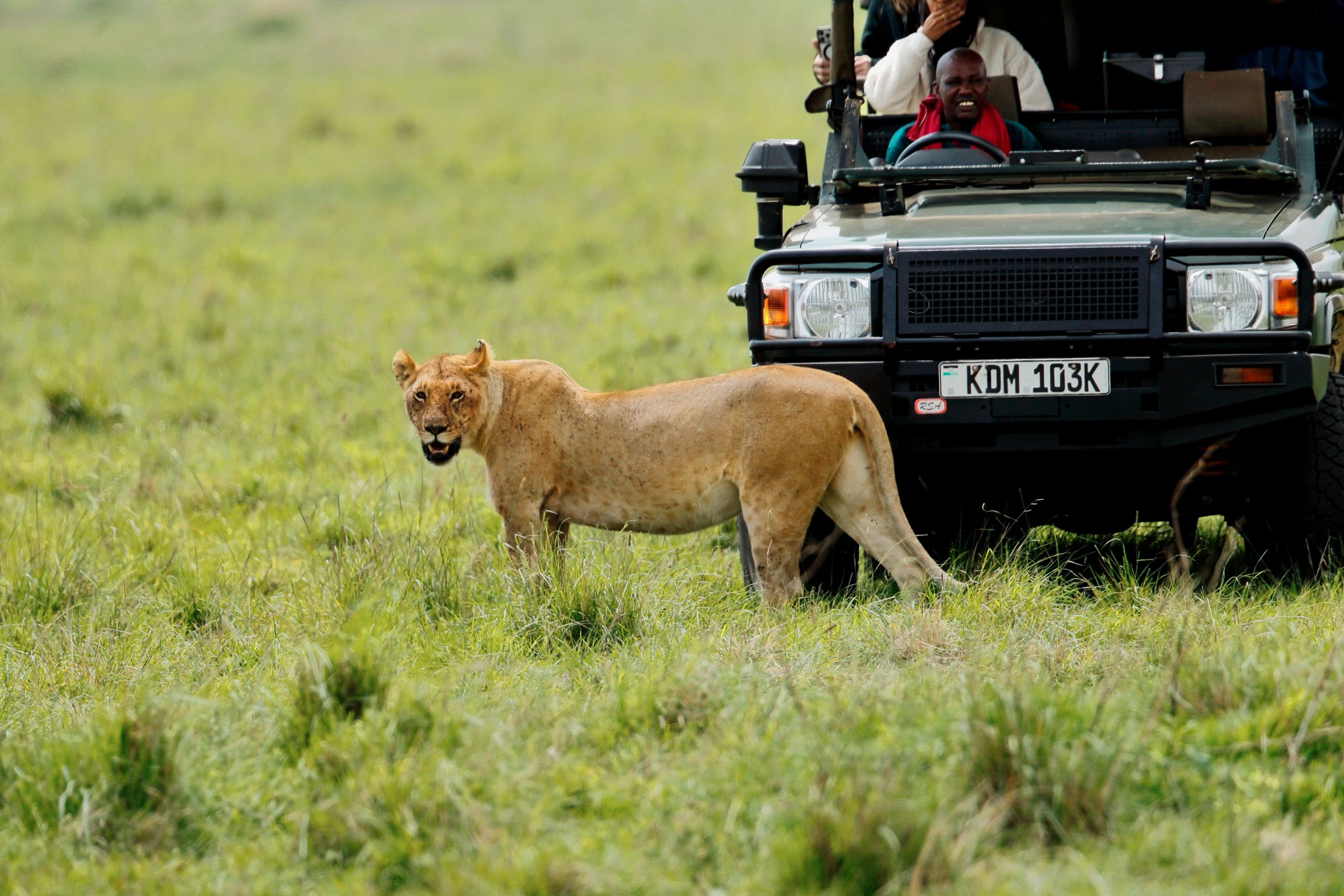
This is where top safari specialists recommend sending first-timers who want raw, unfiltered predator drama. Around 500,000 wildebeest calves are born in a tight two-to-three-week window that usually peaks in February, out on the open short-grass plains around Ndutu and Lake Masek.
The grass is short for a reason — the plains here sit on volcanic ash from Ol Doinyo Lengai, which makes the soil rich in the minerals nursing mothers need. Because the grass is low, visibility is extraordinary. You can watch a cheetah stalk a calf from half a mile away.
What most agents don't mention: this region technically sits outside the Serengeti National Park boundary, in the Ngorongoro Conservation Area, so your park fees and permit structure are different. Confirm this with your operator before you book, because it changes your cost breakdown.
- Newborn wildebeest can stand and run within minutes of birth — but that first hour is when lions, hyenas, and cheetahs make their move
- Mornings are cold enough for a fleece at 6 a.m. game drives, then 85°F by 11 a.m.
- Roads into Ndutu are seasonal dirt tracks — some camps close entirely if late rains hit hard
April to May — The Green Season (Low Season, Low Rates)
Veterans of the Serengeti often point to April as the most underrated month on the calendar if you can tolerate mud. The long rains transform the plains into an emerald carpet, migratory birds arrive from Europe, and you'll frequently have entire vehicle sightings to yourself.
Lodge rates drop 30–50% compared to peak season, and some properties close for renovation entirely — so availability shrinks even as demand does.
Pro Tip: Book only with operators who run 4x4 vehicles equipped for low tire pressure and mud traction, and confirm your driver has genuine wet-season experience. A rookie driver in April can turn a game drive into a three-hour recovery operation.
June to July — Western Corridor and the Grumeti River
This stretch gets overshadowed by the Mara crossings, and honestly, that's good news for you. The Grumeti River crossings happen here first, months before the herds reach the north, and the river is home to some of the largest Nile crocodiles in East Africa — genuinely massive, ambush-hunting animals that rival anything you'll see at the Mara.
June also kicks off the rut. Males become aggressive, territorial, and constantly vocal — it's chaotic, loud, and photographically excellent if you like action shots over portrait shots.
Fewer trucks means fewer people jockeying for riverbank positions, making this one of the most relaxed, uncrowded windows of the year for game drives.
August to October — Northern Serengeti, Kogatende and the Mara River
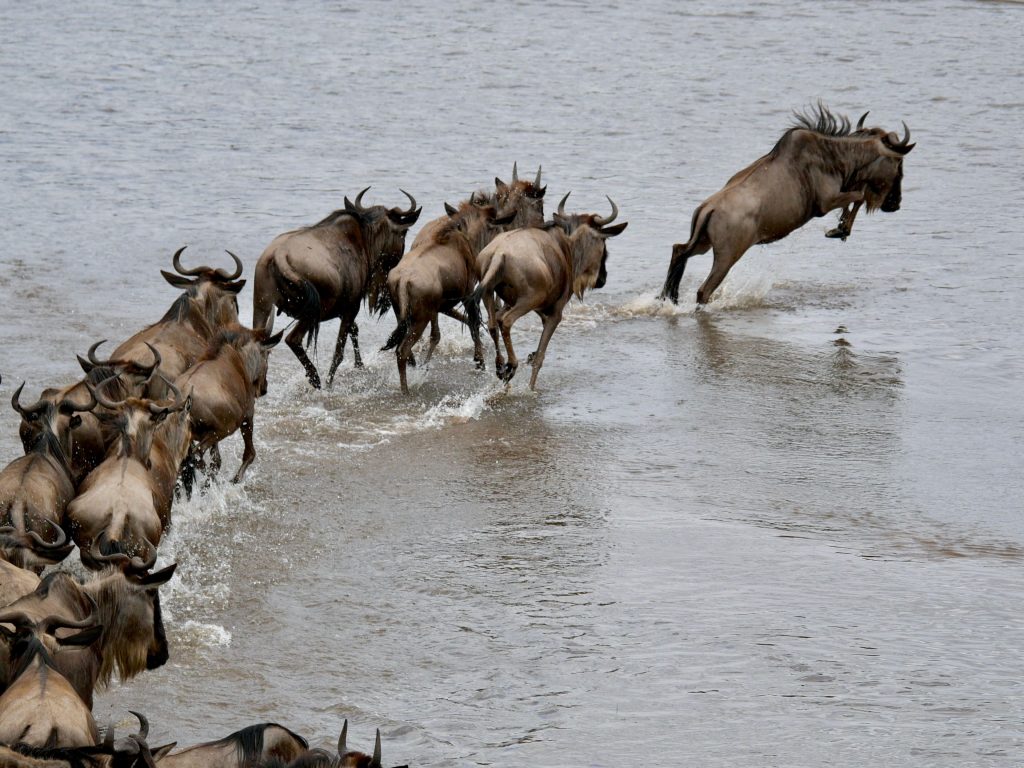
Peak dry season. Peak crowds. Peak drama. This is the postcard image everyone has in their head — desperate herds bunched on steep, eroded riverbanks, working up the courage to leap into crocodile-infested water.
The riverbanks themselves are the underrated character in this story. They're steep, loose, and genuinely dangerous terrain for the animals, which is exactly why crossings can take hours to actually happen.
- Dust is relentless — pack a dry bag or rain cover for camera gear even though it isn't raining
- Kogatende airstrip area and camps book out 6–9 months ahead for August and September
- Bring a buff or scarf; the dust gets into everything, including your camera's lens threads
November to December — Short Rains and the Return South
The short rains push the herds back south through Lobo and into Central Seronera, and this shoulder window is where I'd point budget-conscious families who still want strong wildlife odds. Rates haven't hit holiday peak yet, tracks are still mostly firm, and the light after a rain shower is some of the best you'll get all year.
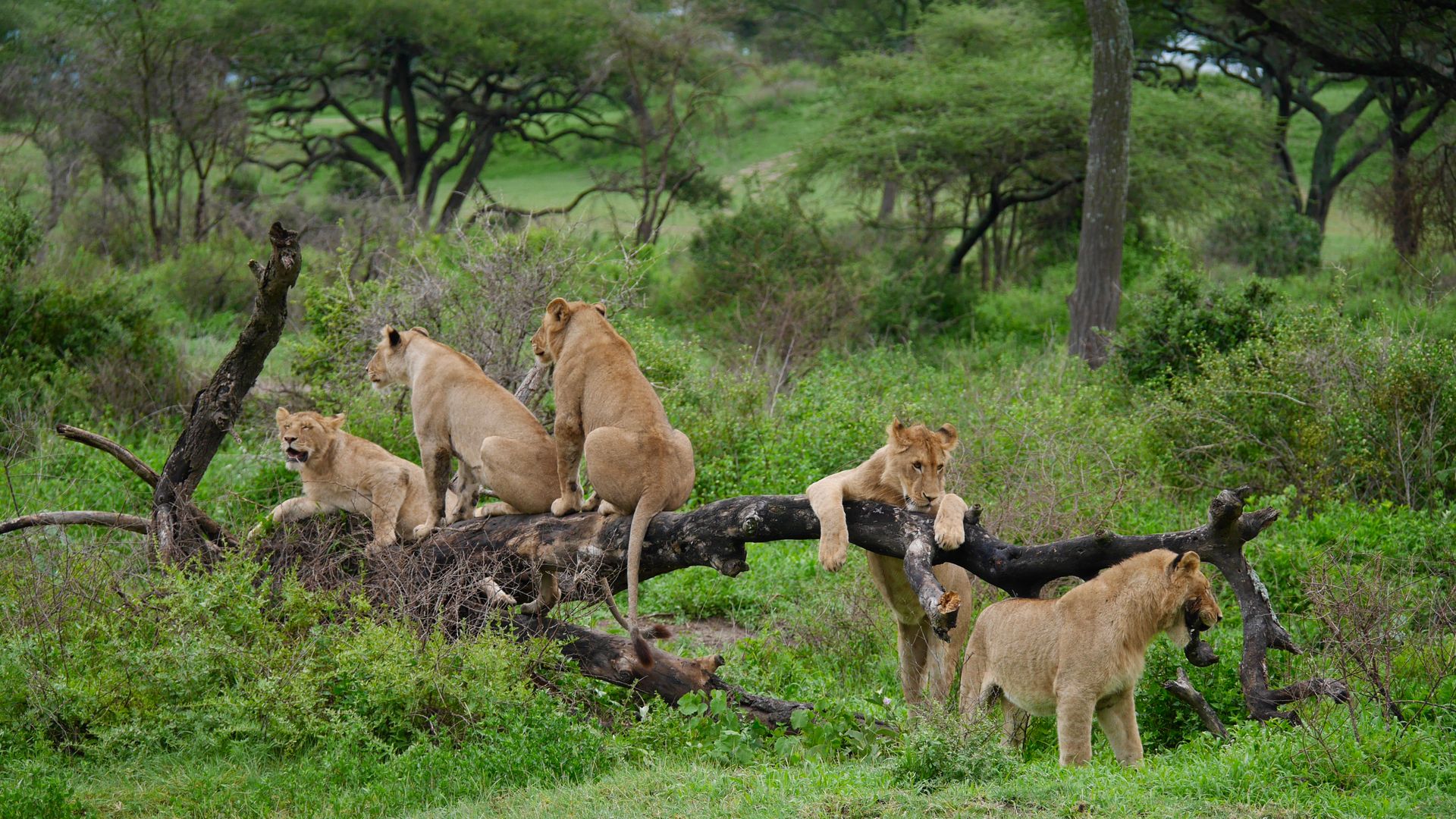
Resident wildlife — lion prides, leopards along the Seronera River valley, elephant herds — stays put here year-round regardless of migration timing, so this is never a bad time for general game viewing.
Season Comparison at a Glance
| Period | Region | Weather | Wildlife Highlight | Crowd Level |
|---|---|---|---|---|
| Jan–Mar | Southern Serengeti / Ndutu | Warm, short dry spell | Calving season, intense predator action | Moderate |
| Apr–May | Central/Western (Green Season) | Long rains, muddy tracks | Lush scenery, migratory birds | Very low |
| Jun–Jul | Western Corridor | Dry, cooling | Grumeti River crossings, rutting season | Low |
| Aug–Oct | Northern Serengeti / Kogatende | Dry, dusty | Mara River crossings | Very high |
| Nov–Dec | Central Serengeti / Lobo | Short rains begin | Herds return south, resident game | Moderate |
What to Pack: Field-Tested Gear Notes
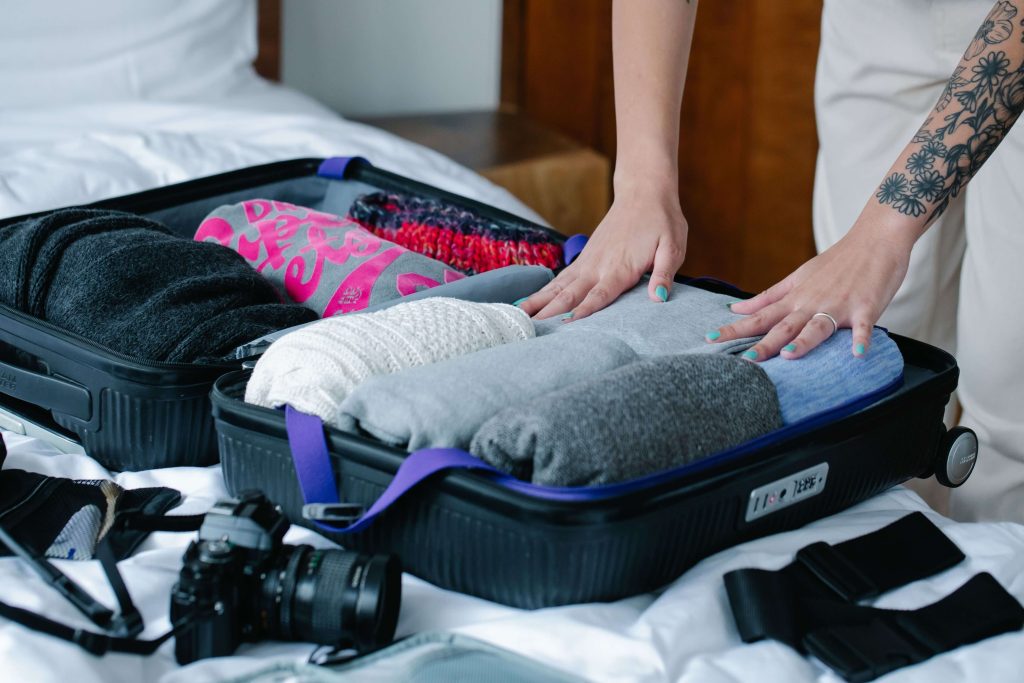
Dawn game drives in an open 4x4 start cold enough for gloves, and by 1 p.m. you'll be sweating through a t-shirt. Dress in layers you can actually strip off in the vehicle without a production.
- Clothing: A 3-layer system — thermal base, fleece mid-layer, windproof outer shell — handles the 45°F mornings and 85°F afternoons without needing a full wardrobe change
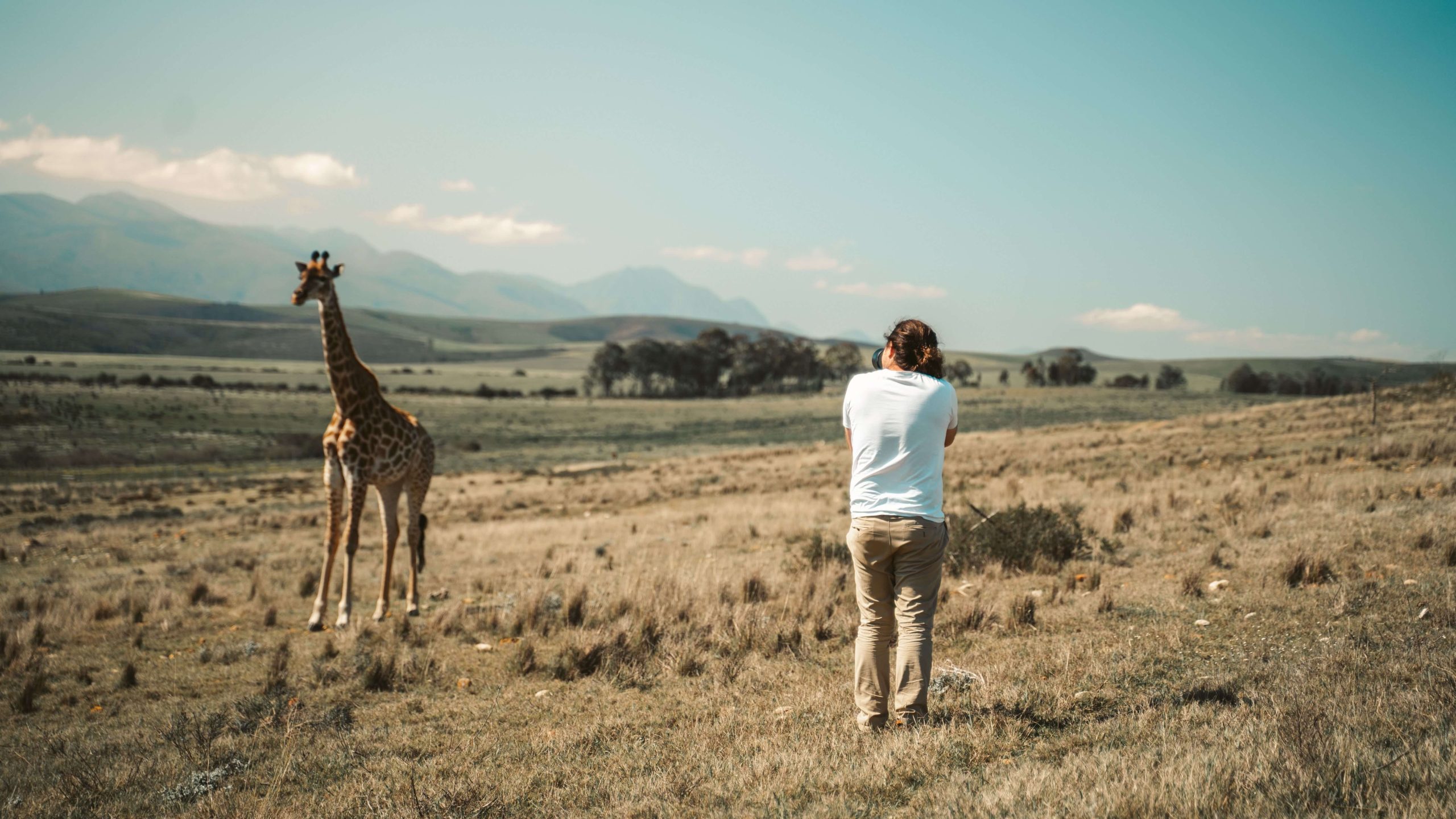
- Camera lens: A 100–400mm zoom covers most sightings; if you're chasing river crossings specifically, a 150–600mm gives you the reach for distant riverbank action without disturbing the animals
- Dust protection: A dry bag or rain cover for camera gear is non-negotiable during the June–October dry stretch — sensor dust from an open vehicle will cost you more in cleaning than the bag costs to buy
- Footwear: Closed, comfortable shoes for walking safaris if your itinerary includes them; flip-flops are for camp only
The One Thing No One Tells You About River Crossings
Wildebeest do not read the safari brochures. A herd can gather on a riverbank for four to six hours, kick up enormous clouds of dust, test the water with a few brave individuals, and then simply turn around and walk away without crossing at all.
Safari vehicles frequently spend entire mornings waiting for a crossing that never materializes. It's part of the experience, not a failure of it.
Pro Tip: Never ask your driver-guide to push closer or crowd a hesitant herd to force a reaction. It's against park ethics, it stresses the animals into scattering, and experienced guides will simply refuse — for good reason.
Frequently Asked Questions
What is the single best month to see the Great Migration? There isn't one best month for the whole migration, since it depends on which phase you want to witness. If you had to pick one all-purpose answer, September gives you strong odds at Mara River crossings alongside generally reliable dry-season weather.
Is the Serengeti worth visiting outside migration season? Yes — resident wildlife like lion prides, leopards, and elephants stay in the ecosystem year-round regardless of where the migrating herds are. The Central Seronera region in particular offers strong game viewing in nearly any month.
How far in advance should I book a Serengeti safari? For August–October Northern Serengeti trips, book 6–9 months ahead since camps near Kogatende fill early. For the Green Season (April–May) or shoulder months, 2–3 months is usually enough.